
Recipe · Boiled pork · Serves 4
It's Okay — You Can Make Bossam, Korea's Tender Boiled Pork Wraps, at Home
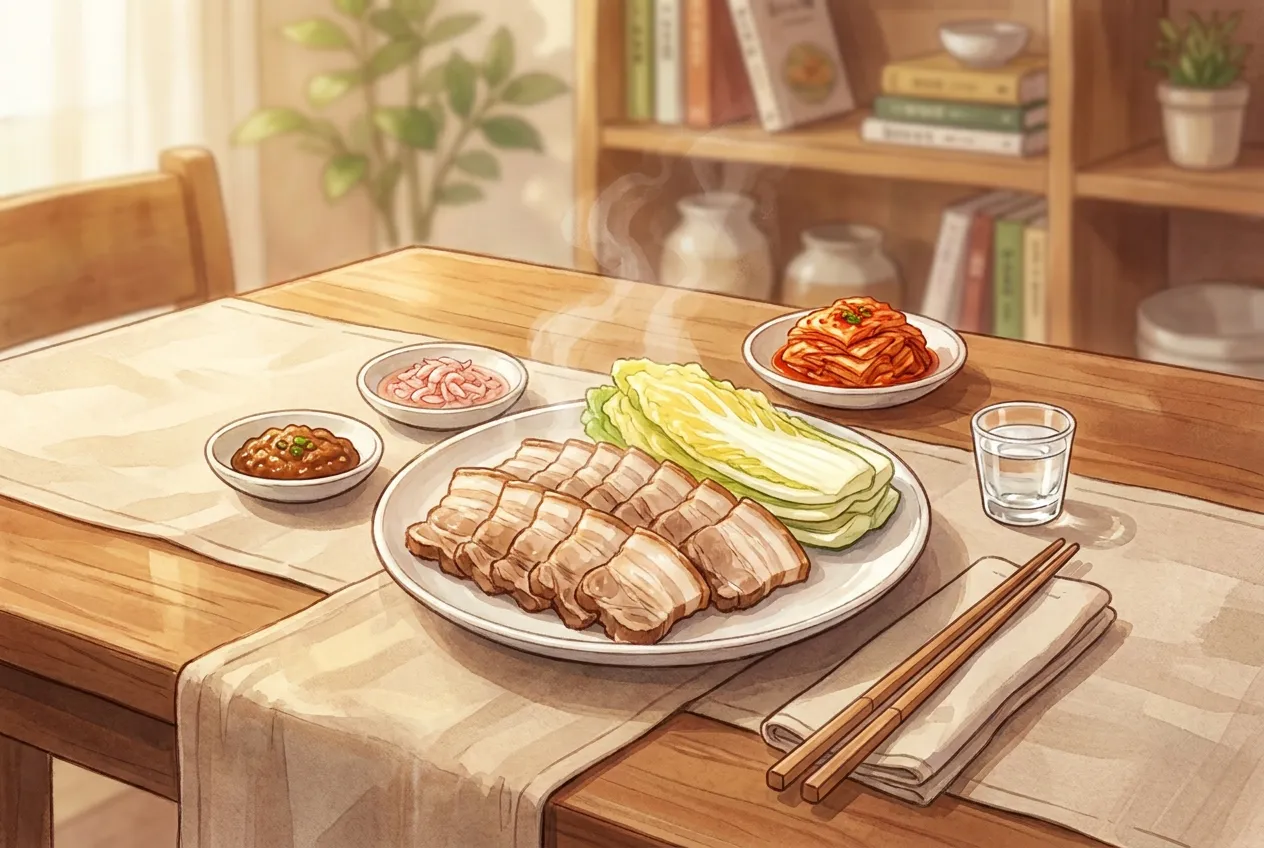
Bossam is pork belly simmered with doenjang and aromatics until soft, sliced thin, and eaten wrapped in a cabbage or lettuce leaf with a dab of sauce. The name means wrapped, and the wrapping is half the fun. The pork needs about an hour of mostly hands-off simmering, so it is easier than it looks. If you don't have every ingredient on this list, that's fine — keep reading before you decide to skip it.
Before You Shop: Quick Ingredient Check
- Doenjang (fermented soybean paste)substitute below
- Saeujeot (salted fermented shrimp)substitute below
- Ssamjang (wrap dipping paste)substitute below
- Pork belly, onion, garlic, ginger, green onions, napa cabbageeasy anywhere
Nothing here is a dealbreaker. Let's cook.
Ingredients (serves 4)
- 10 cups (2.4 liters) water
- 1 onion, halved
- 6 garlic cloves
- 1 thumb-size piece of ginger (about 15g / ½ oz), sliced
 2 green onions
 3 tbsp doenjang (Korean soybean paste)
 ½ cup (120 ml) cheongju (Korean rice wine), or dry white wine
- 10 black peppercorns
- 2 bay leaves
 800g (1¾ lb) pork belly, in one slab
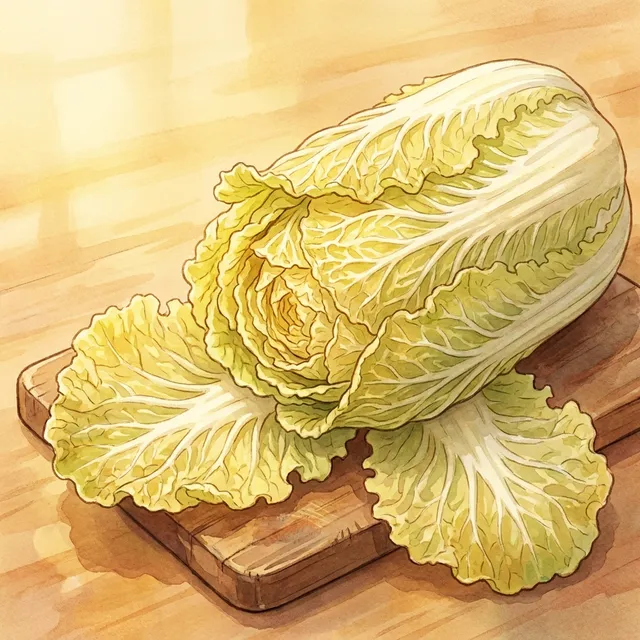 8–10 napa cabbage leaves, or lettuce leaves
 2 tbsp saeujeot (salted fermented shrimp), with a little of its brine
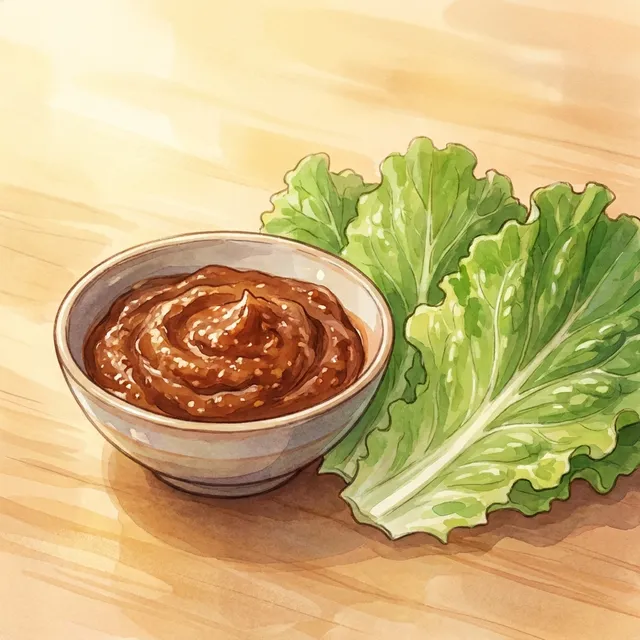 3 tbsp ssamjang
 1 tsp sesame oil
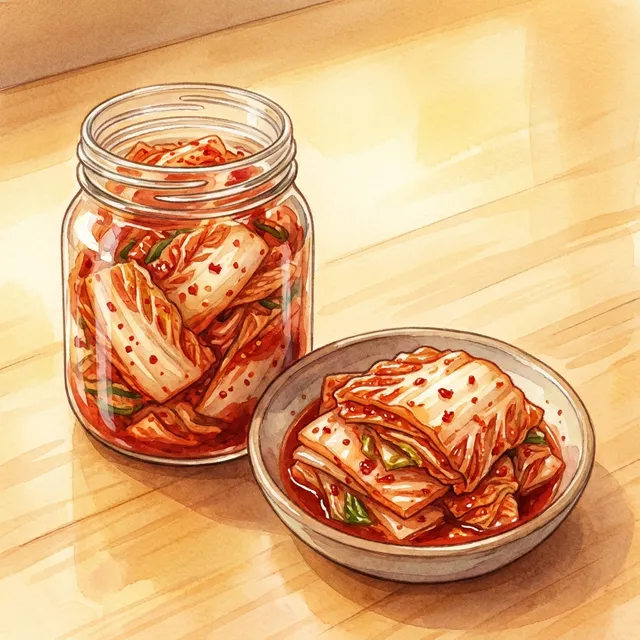 Kimchi or radish salad, to serve
Steps
- 1 In a large pot, combine the water, onion, garlic, ginger, green onions, doenjang, rice wine, peppercorns and bay leaves. Bring to a boil.
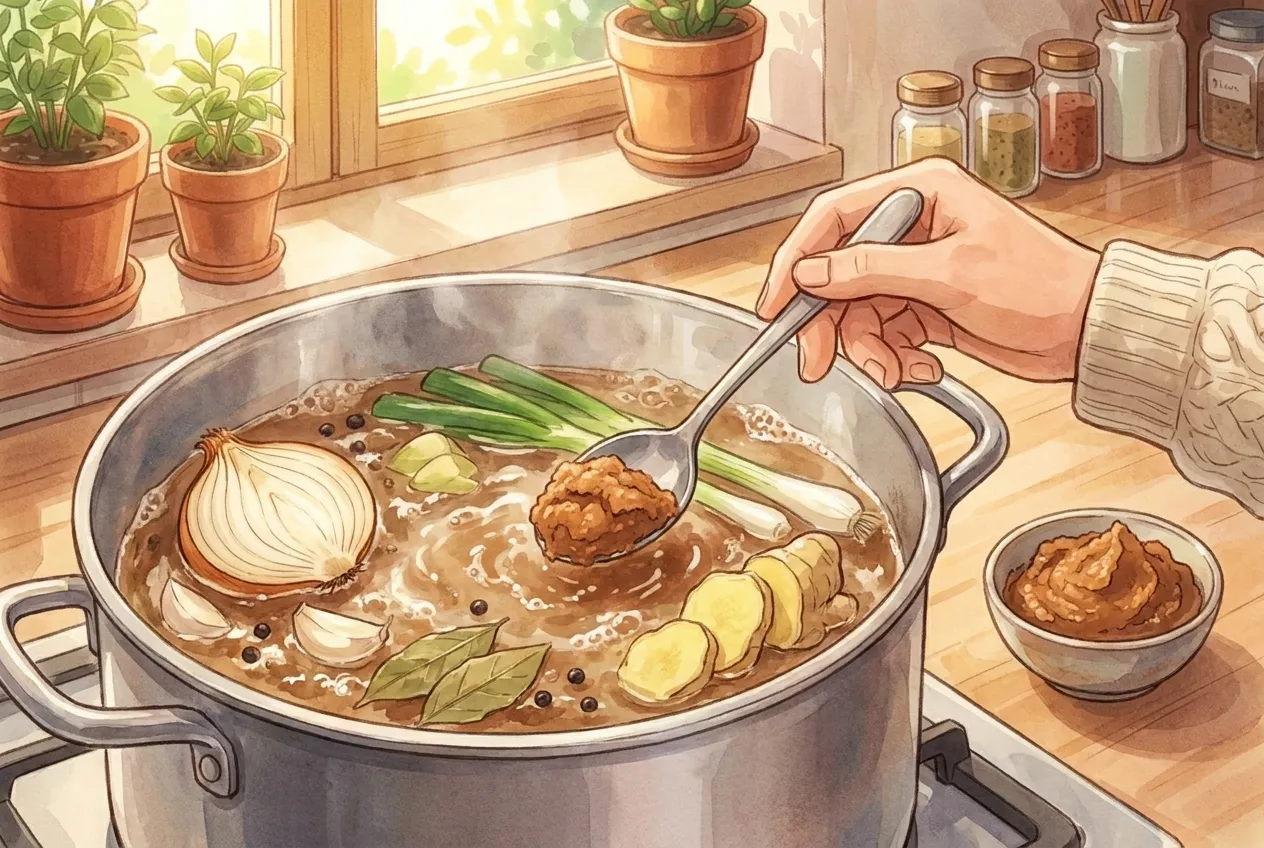
- 2 Add the pork belly, bring back to a boil, and skim off the foam.
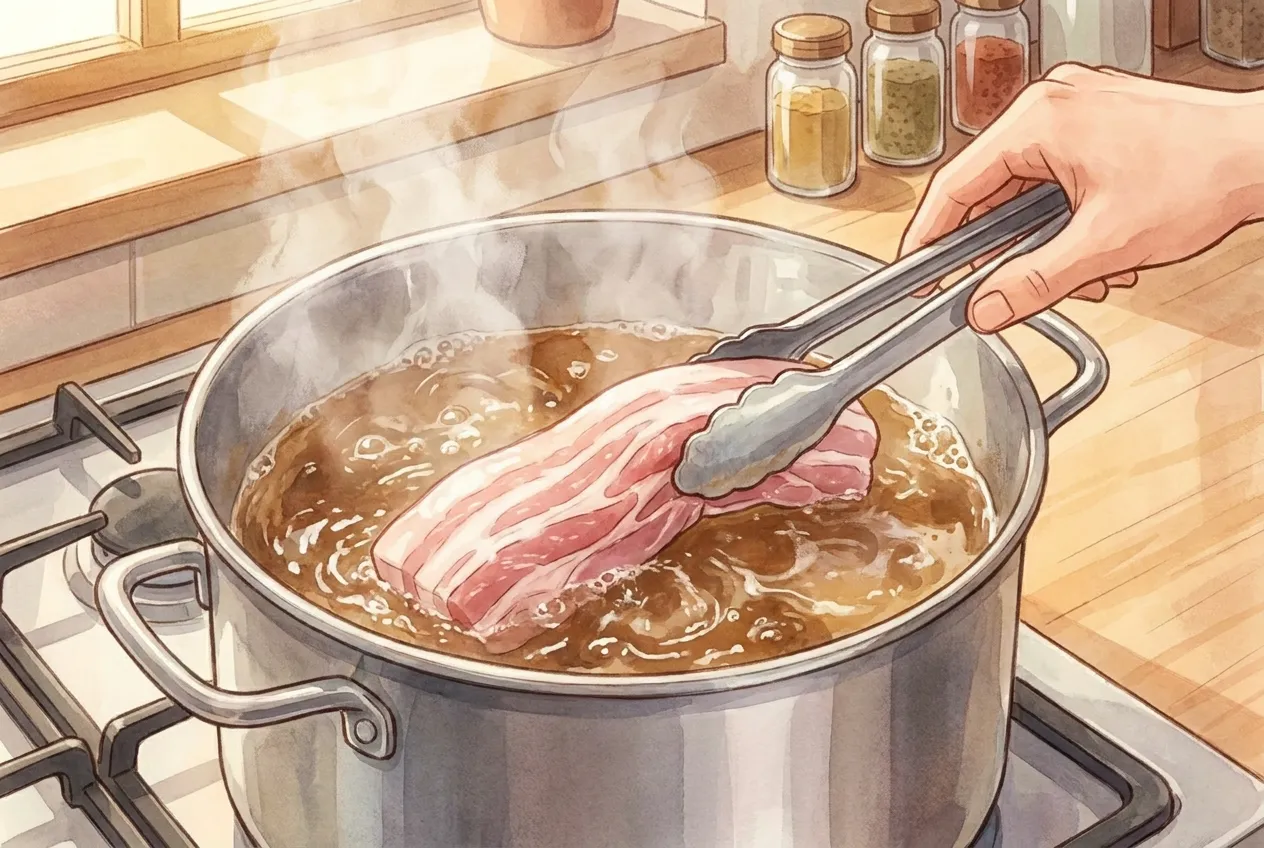
- 3 Cover, reduce to medium-low, and simmer for 40–50 minutes, turning the pork once. It is done when a chopstick slides in easily and the juices run clear.
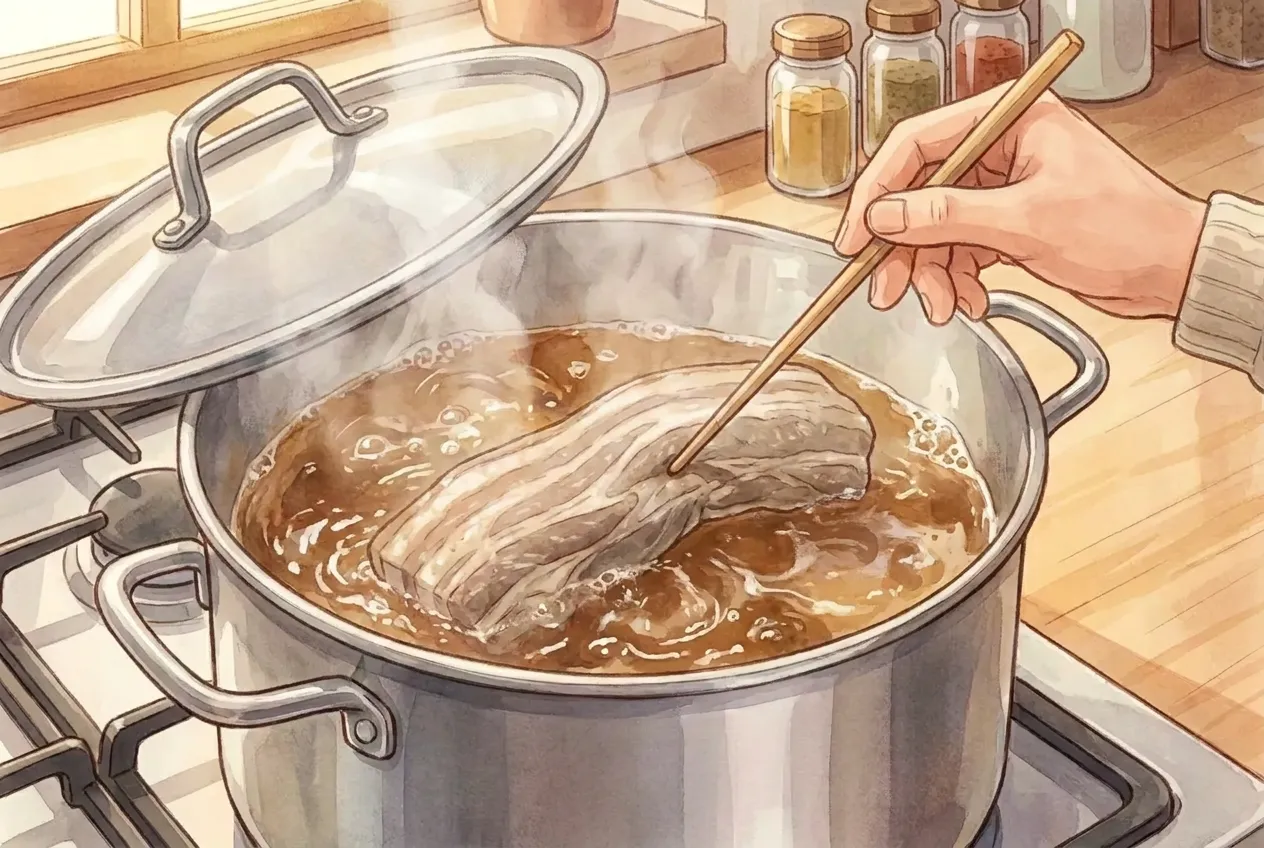
- 4 While the pork simmers, blanch the napa cabbage leaves in boiling water for 2 minutes. Rinse under cold water and squeeze dry.
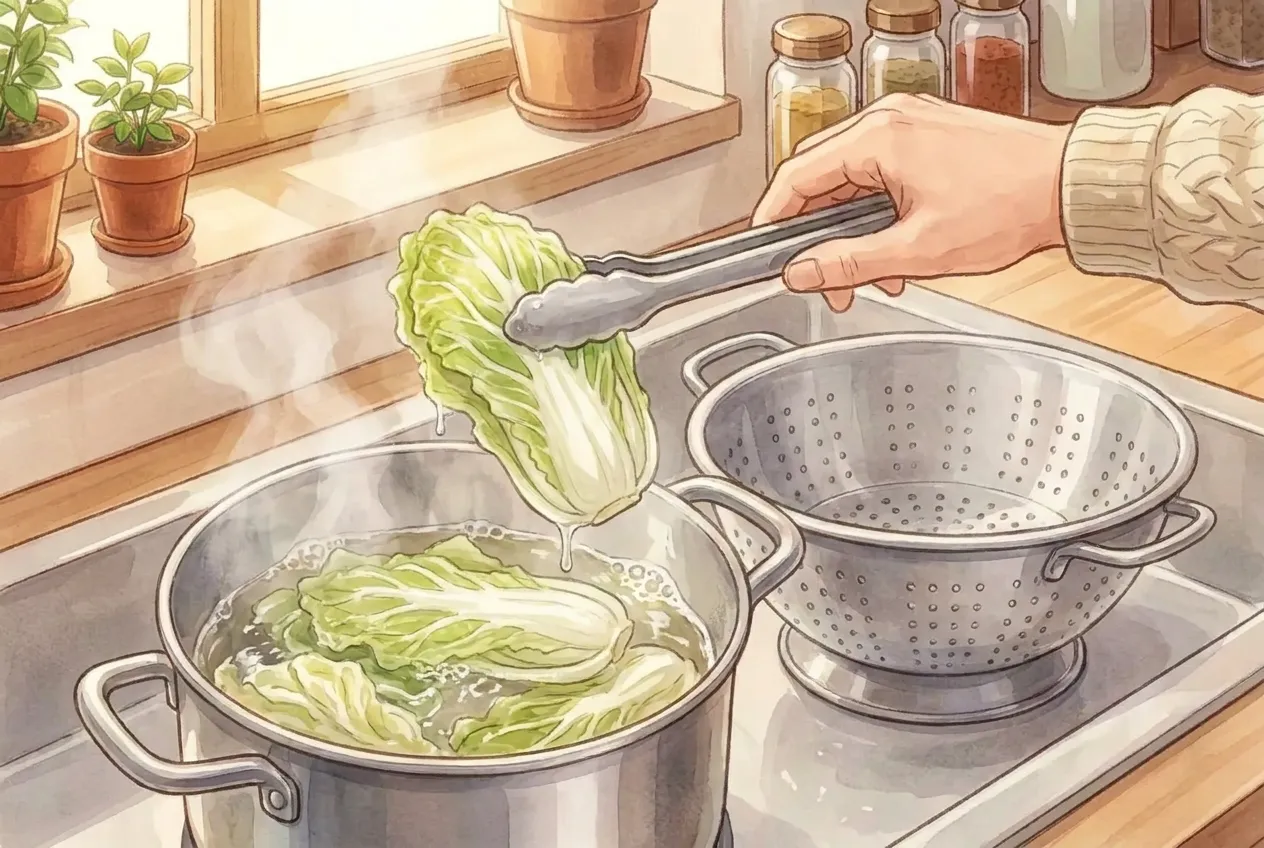
- 5 Lift out the pork and let it rest for 10 minutes. Slice it against the grain into pieces about 5 mm (¼ in) thick.

- 6 Stir the ssamjang with the sesame oil in a small dish. Put the saeujeot in another small dish.

- 7 Serve the pork on a platter with the cabbage leaves, the two dips and kimchi. Place a slice of pork on a leaf, add a little dip, wrap, and eat in one bite.

국룰Let the pork rest 10 minutes before you slice it. The juices settle back into the meat, so the slices stay moist and hold together instead of crumbling.
Substitution Guide
About the Pastes and Wraps — Here's What to Do
Three things might send you shopping: doenjang, saeujeot and ssamjang. Here's the good news: the pork only needs water, aromatics and a bit of fermented paste, so each can be swapped.
Use this — no need to look further
Doenjang, saeujeot and ssamjang from an Asian grocery store, in tubs or jars. Doenjang is the savory soybean paste that removes the porky smell and seasons the meat, and saeujeot adds a salty, briny punch to each bite.
If you can't find the pastes
- Miso paste in place of doenjang: use 3 tbsp, and add a pinch more salt to taste
- Ssamjang substitute: mix 2 tbsp doenjang or miso with 1 tbsp gochujang, 1 tsp sesame oil and 1 minced garlic clove
- A pinch of salt plus a splash of fish sauce in place of saeujeot, or just skip it and use more ssamjang
- Butter lettuce or red-leaf lettuce in place of napa cabbage: no blanching needed
If you can't find pork belly
Pork shoulder (butt) works well and is leaner. Cut it into 2 slabs and simmer about the same time, until a chopstick slides in easily.
Why it matters (so you're not just guessing next time)
Bossam is built from three jobs: a flavored poaching liquid that removes porky smell, a gentle simmer that turns the fat and meat tender, and a wrap with a salty or spicy dip that balances the richness. As long as those three jobs get done, you can swap individual ingredients with confidence.
A Couple More Notes
Save the Broth
Strain the pork broth and keep it. Many Koreans use leftover bossam broth as a base for soup, so you don't have to pour it away.
Reheating Leftovers
Keep the unsliced pork in the fridge for up to 3 days. Slice it cold, then warm it for a minute in a little of the strained broth so it stays moist.
Want to Go Further?
Once you're ready to stock two or three Korean pantry staples, a much wider range of Korean dishes opens up with very little extra effort.
Getting Started with Korean Cooking: The 3 Sauces You Need →Watch It Made
These cooks speak Korean. Press CC in the player, then the gear icon → Subtitles → Auto-translate to read along in your language.


Cooks' versions
Made it your way? Show us.
Swapped an ingredient, changed the heat, plated it differently? Add a photo and a few words — we'll turn it into a pretty card right here on the Bossam page, so the next cook can follow your lead.
Spotted a mistake, or have an idea?
Tell us what to fix or improve in this recipe. This is not a public comment — it goes straight to the K-food team.
Made this with a different swap that worked well? Let us know in the comments — it helps the next person who gets stuck on this step.