
Recipe · Noodles · Serves 2
It's Okay — You Can Make Jjajangmyeon, Korea's Black Bean Noodles, at Home
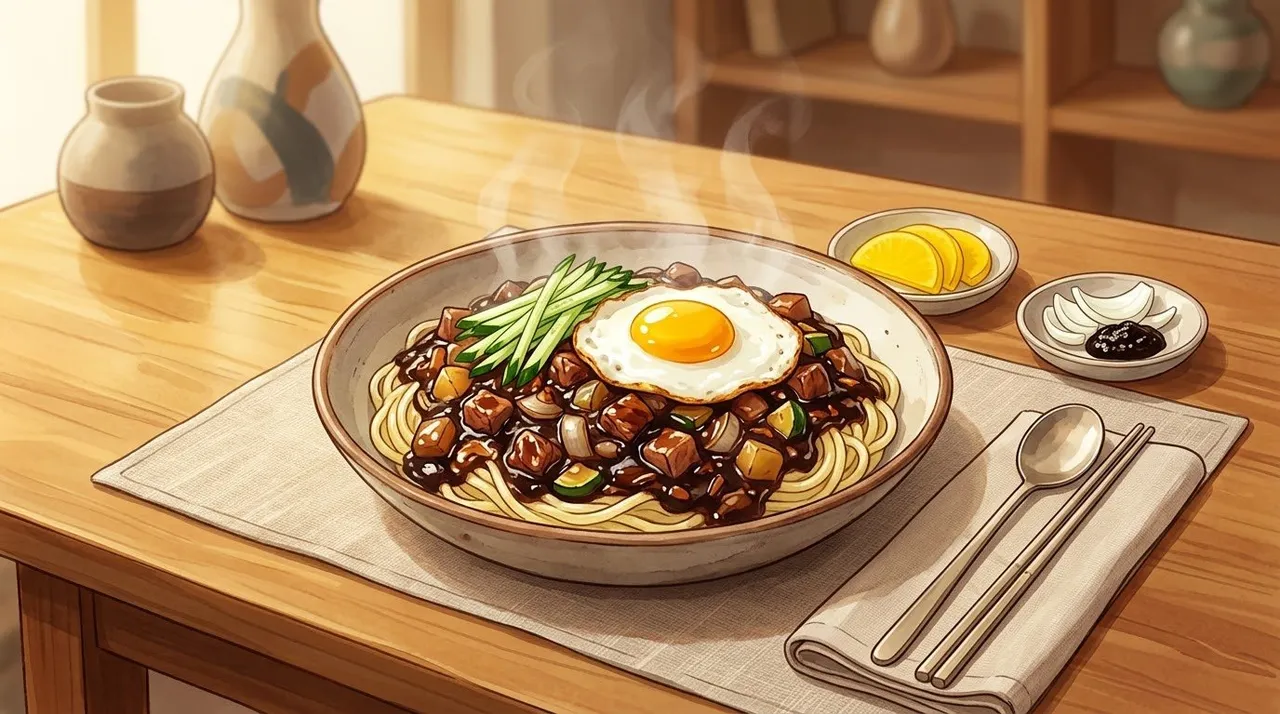
Jjajangmyeon is the dark, glossy noodle dish Koreans traditionally order as takeout from a Chinese-Korean restaurant. At home it is one pan of sauce and a pot of noodles. If your sauce tastes a little flat or bitter on the first try, a pinch more sugar and a few more minutes of simmering will set it right.
Before You Shop: Quick Ingredient Check
- Chunjang (Korean black bean paste)sold in tubs at Korean grocers; see below if you can't find it
- Fresh or dried wheat noodlesudon, spaghetti or any chewy noodle works
- Pork (belly, shoulder or ground)easy anywhere
- Onion, zucchini and potatoeveryday vegetables
- Potato starch or cornstarchthickens the sauce; you probably have one
Only the black bean paste is a specialty item, and there is a workable stand-in if your store doesn't carry it.
Ingredients (serves 2)
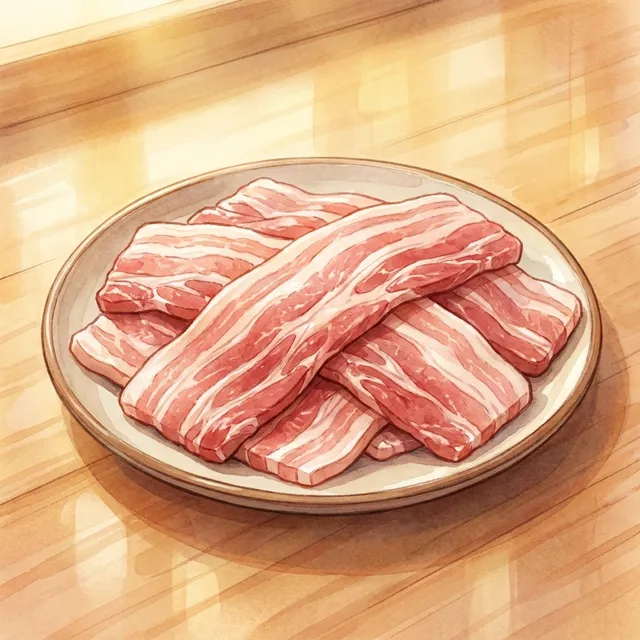 200g (7 oz) pork belly or shoulder, diced small (ground pork also works)
- 3 tbsp chunjang (Korean black bean paste)
- 1 large onion, diced
- 1/2 zucchini, diced
- 1 small potato, diced
 1 tbsp soy sauce
- 1–2 tbsp sugar (to taste)
- 4 tbsp neutral oil, divided
- 1 cup (240ml) water
- 1 tbsp potato starch or cornstarch, mixed with 2 tbsp water
- 2 portions fresh or dried wheat noodles
- Cucumber matchsticks and a boiled or fried egg (optional, for serving)
Steps
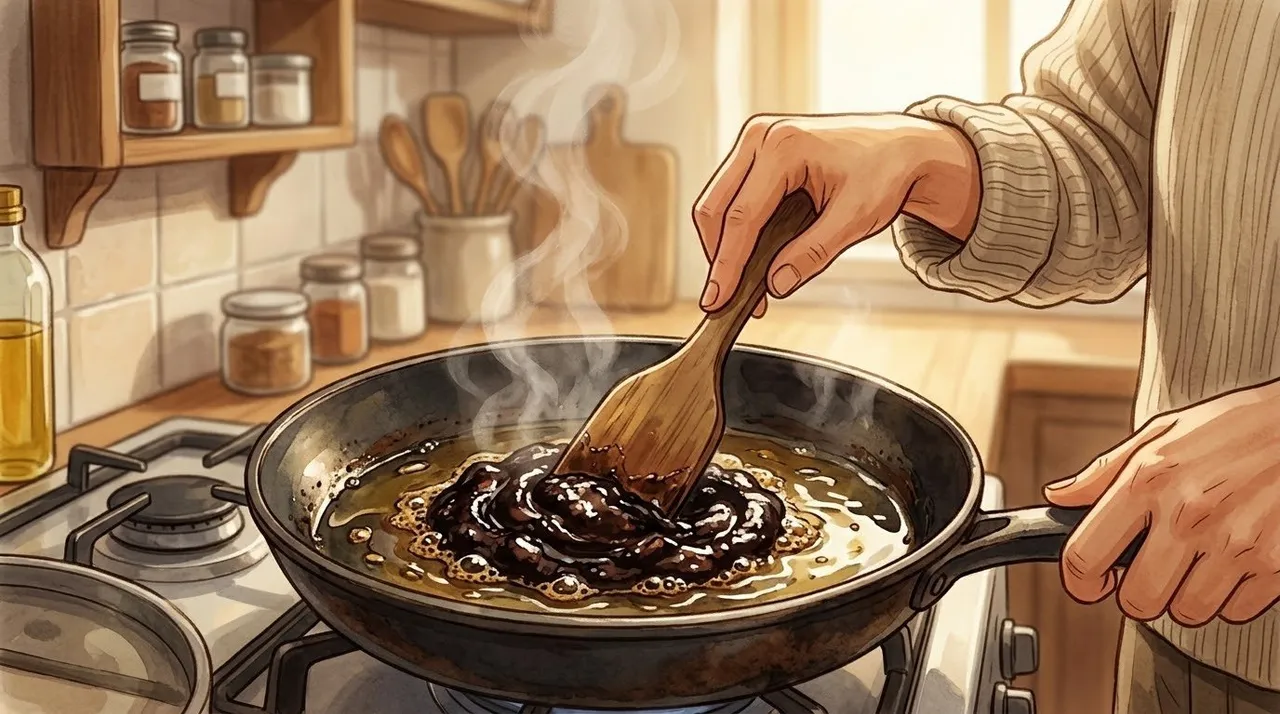
- 1 Heat 3 tbsp oil in a pan over low heat. Add the black bean paste and fry it gently, stirring, for 3–5 minutes until it smells toasty and loosens. This removes the raw bitterness. Scoop it into a bowl.
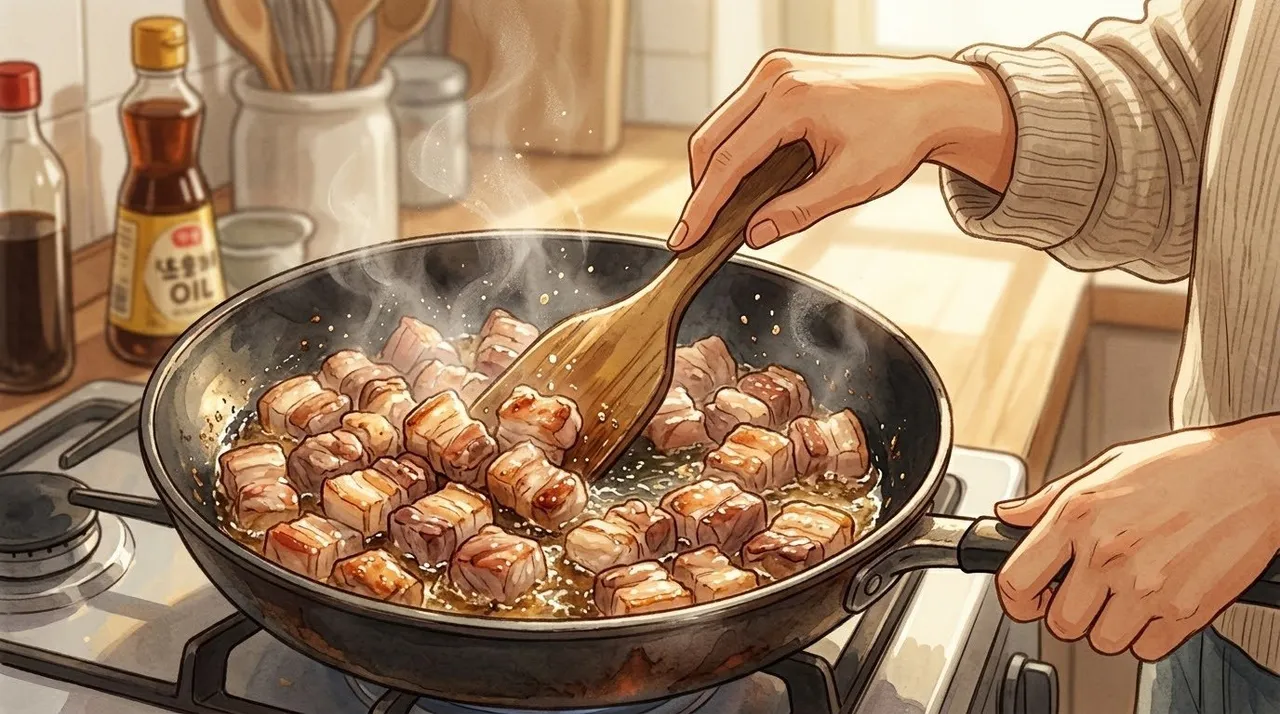
- 2 In the same pan over medium-high heat, add the remaining oil and the pork. Stir-fry until the pork is browned, about 3 minutes.
- 3 Add the onion, potato and zucchini. Cook for about 5 minutes, until the onion turns translucent and the edges of the potato start to soften. Stir in the soy sauce.
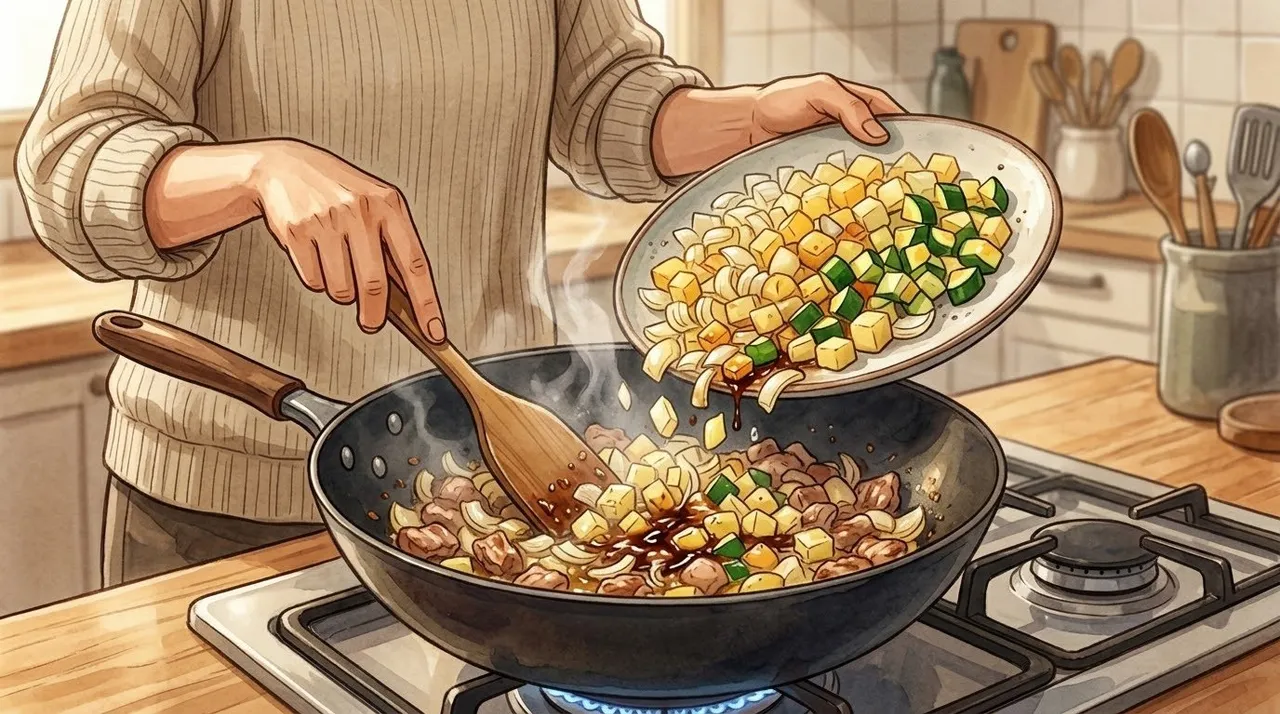
- 4 Return the fried paste to the pan, add the sugar, and stir so everything is coated. Pour in the water and simmer for 5–7 minutes.
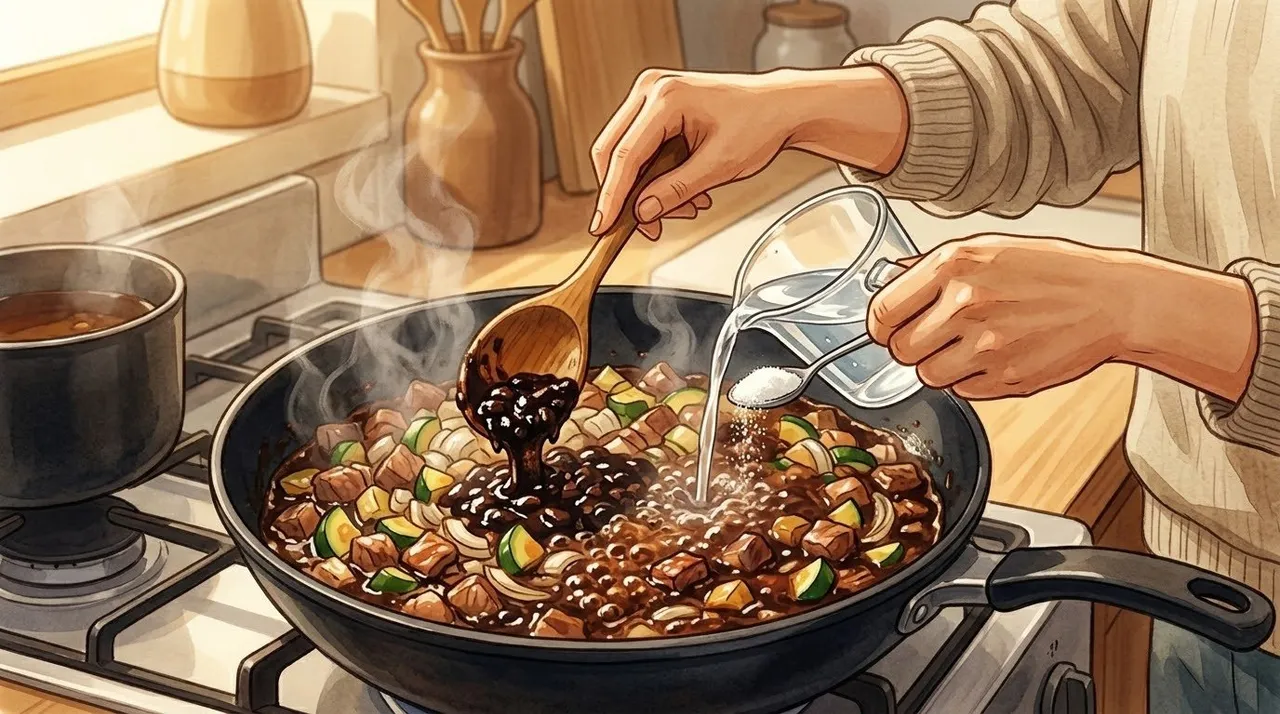
- 5 Stir the starch slurry again, then pour it in while stirring. Simmer for 1–2 minutes until the sauce is thick and glossy. Taste, and add a pinch more sugar if it tastes sharp.
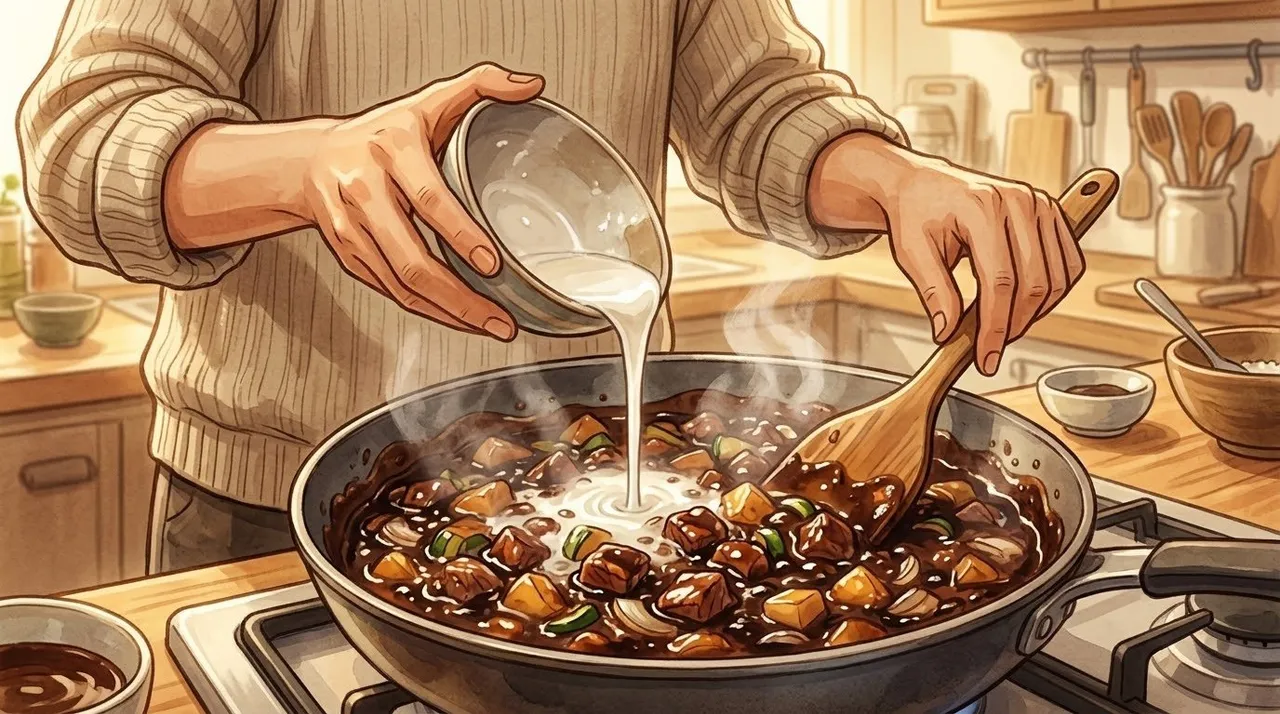
- 6 Boil the noodles according to the package, then drain well and rinse briefly in hot water so they don't clump.
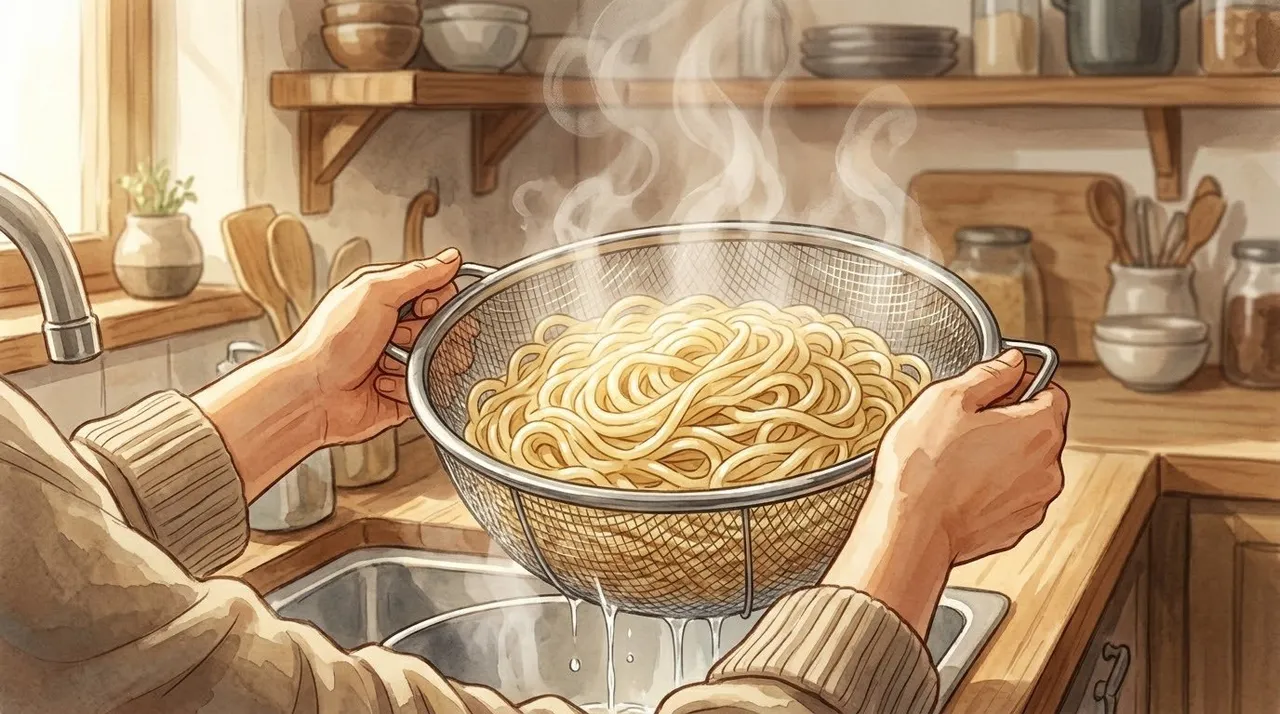
- 7 Divide the noodles between two bowls and ladle the sauce over the top. Add cucumber and an egg if you like, and mix everything together at the table.
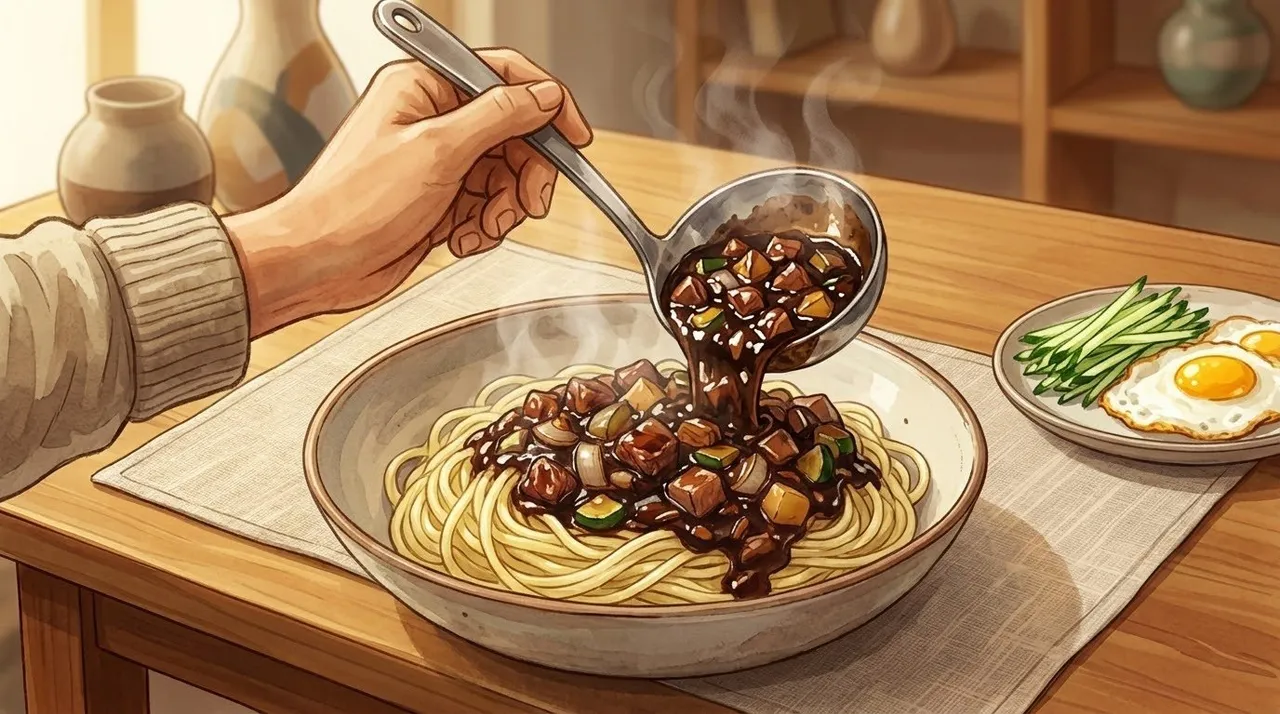
국룰Mix the sauce all the way through the noodles before the first bite. Neat piles are for photos; the bowl is meant to be tossed.
Substitution Guide
No Chunjang? Here's What to Do
The signature flavor comes from 춘장 (chunjang), a dark fermented black bean paste. It is the one ingredient that is hard to replace exactly, but you have options.
Use this if you can't find chunjang
Instant jjajang sauce or powder. Korean grocers sell ready-made jjajang powder or a retort pouch; follow the packet and still add the pork and vegetables.
Another stand-in
Chinese sweet bean sauce or black bean garlic sauce, plus a little doenjang. The taste is not identical but it gives a similar dark, salty-sweet base. Start with less and add to taste.
If the sauce is off
- Bitter: simmer longer, and add a pinch of sugar.
- Too salty: add a splash of water and more diced onion.
- Too thin: stir in a little more starch slurry.
Why the paste is fried first (so the sauce tastes toasty, not raw)
Raw chunjang can taste sharp and bitter. Frying it in oil on low heat cooks off the harshness and deepens the flavor, which is the step that makes a homemade sauce taste like the restaurant's.
A Few Things Worth Knowing
Make-ahead
The sauce keeps in the fridge for 3 days and freezes well. Reheat with a splash of water.
Skip the meat
Mushrooms and extra zucchini make a good vegetarian sauce.
Want to Go Further?
Jjajangmyeon is a good way to get comfortable with fermented pastes. When you're ready to cook more dishes, three sauces cover most of what you'll make.
Getting Started with Korean Cooking: The 3 Sauces You Need →Watch It Made
These cooks speak Korean. Press CC in the player, then the gear icon → Subtitles → Auto-translate to read along in your language.
Cooks' versions
Made it your way? Show us.
Swapped an ingredient, changed the heat, plated it differently? Add a photo and a few words — we'll turn it into a pretty card right here on the Jjajangmyeon page, so the next cook can follow your lead.
Spotted a mistake, or have an idea?
Tell us what to fix or improve in this recipe. This is not a public comment — it goes straight to the K-food team.
Found a black bean paste you love, or a trick for a glossier sauce? Tell us in the comments.