
Recipe · Comfort · Serves 2
It's Okay — You Can Make Janchi-guksu, Korea's Celebration Noodle Soup, at Home
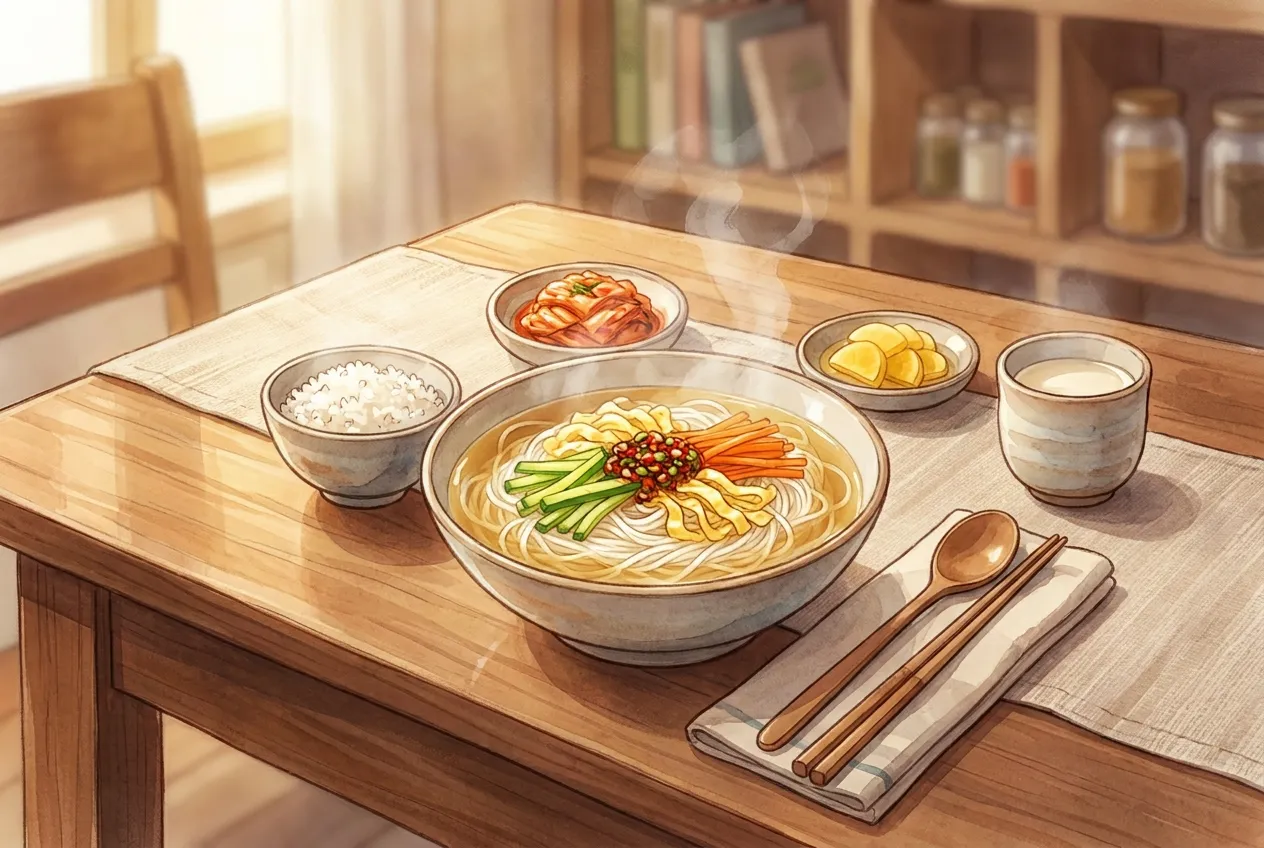
Janchi-guksu means 'banquet noodles': a bowl of thin noodles in a clear, gently salty broth, traditionally served at weddings and birthdays. It looks grand, but it is a gentle, forgiving dish, and the broth is mostly waiting. If you're missing an ingredient or two, keep reading before you give up.
Before You Shop: Quick Ingredient Check
- Thin wheat noodles (somyeon)somen noodles work the same way
- Dried anchovies and kelpfor the broth; an easy swap exists below
- Zucchini, carrot, eggeasy everywhere
- Soy sauce, garlic, sesame oilprobably already in your kitchen
Nothing here is a dealbreaker. Let's cook.
Ingredients (serves 2)
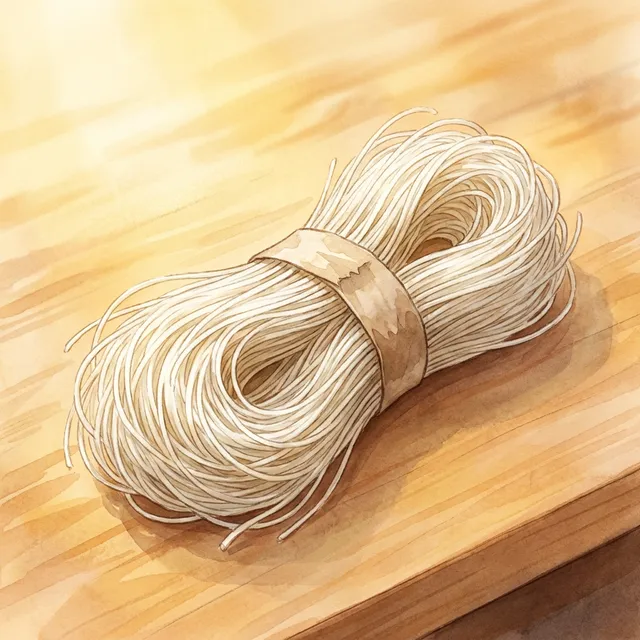 200g (about 7oz) thin wheat noodles (somyeon, or Japanese somen)
- 1.5 litres (about 6 cups) cold water
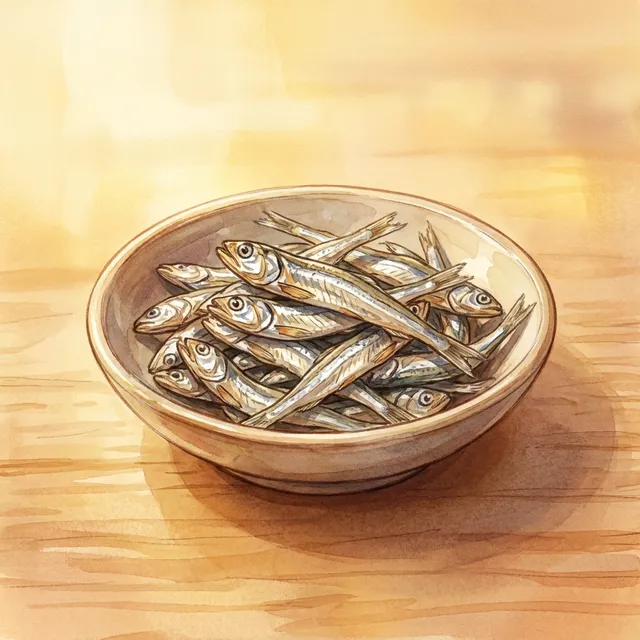 A handful of dried anchovies, guts removed
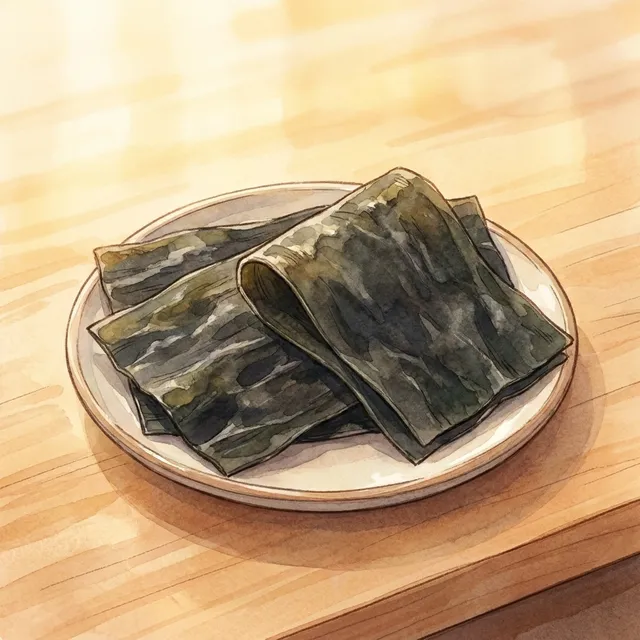 2 pieces dried kelp (about 10cm / 4in each)
- ½ onion, sliced
 1 tbsp soup soy sauce, plus salt to taste (regular soy sauce works)
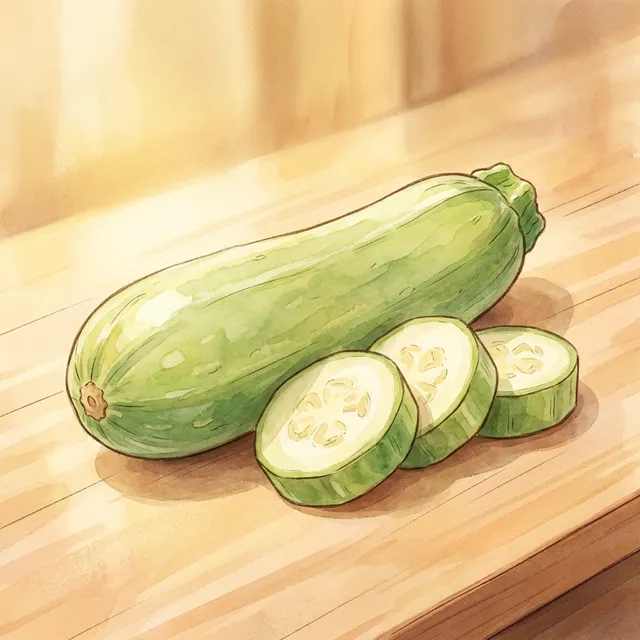 ½ zucchini, cut into matchsticks
- ½ carrot, cut into matchsticks
- 1 egg, beaten
- 1 tbsp oil, for the toppings
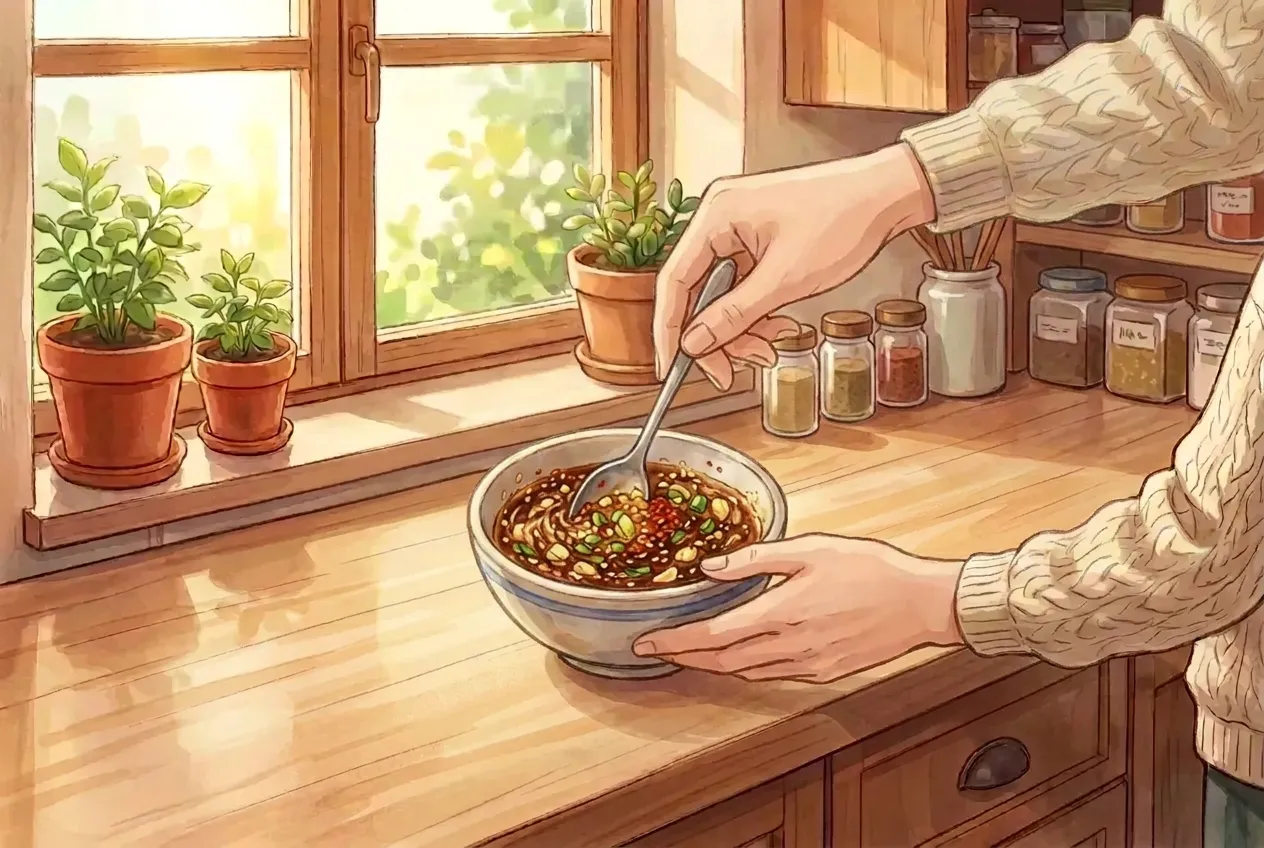
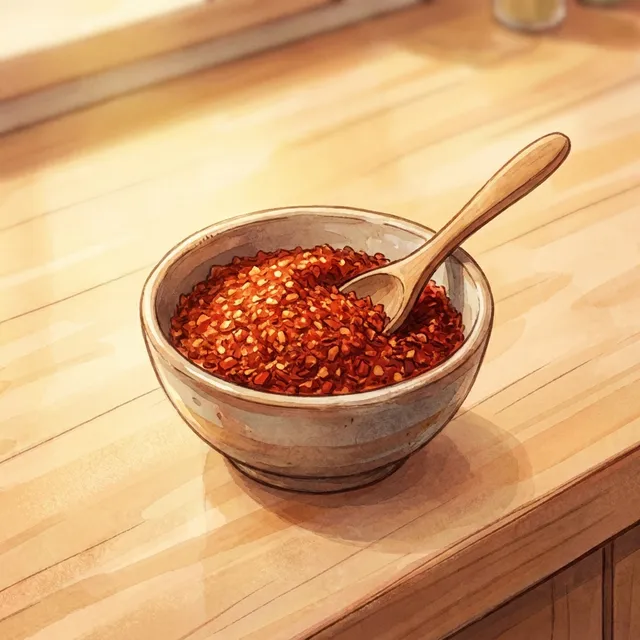 Seasoning sauce: 2 tbsp soy sauce, 1 tbsp chopped green onion, 1 small clove garlic (minced), 1 tsp sesame oil, 1 tsp sesame seeds, ½ tsp gochugaru (optional)
Steps
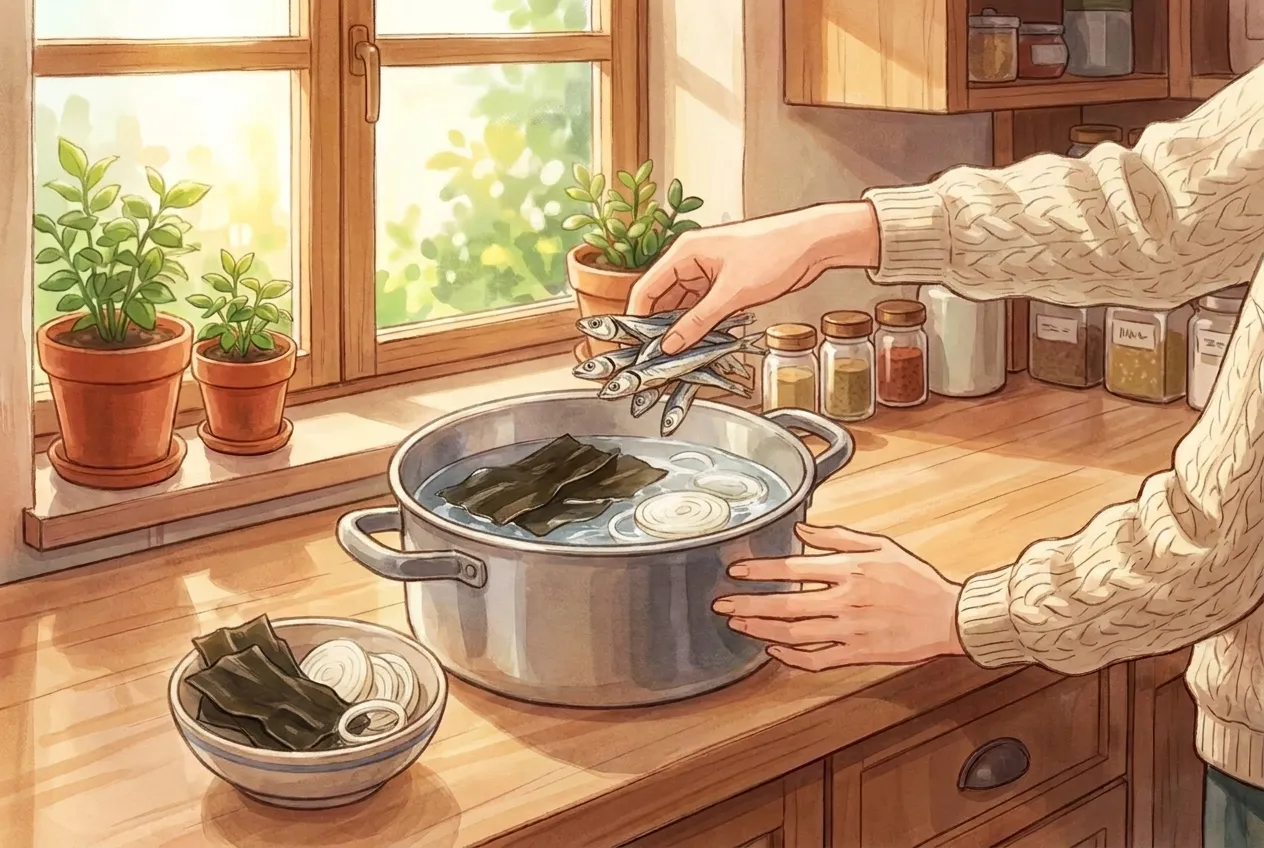
- 1 Make the broth: put 1.5 litres (about 6 cups) of cold water in a pot with a handful of dried anchovies (guts removed), 2 pieces of dried kelp and the sliced onion. Bring to a boil, then simmer for 10–12 minutes. Take out the kelp after 10 minutes and the anchovies by 12 so the broth stays clean, not bitter.
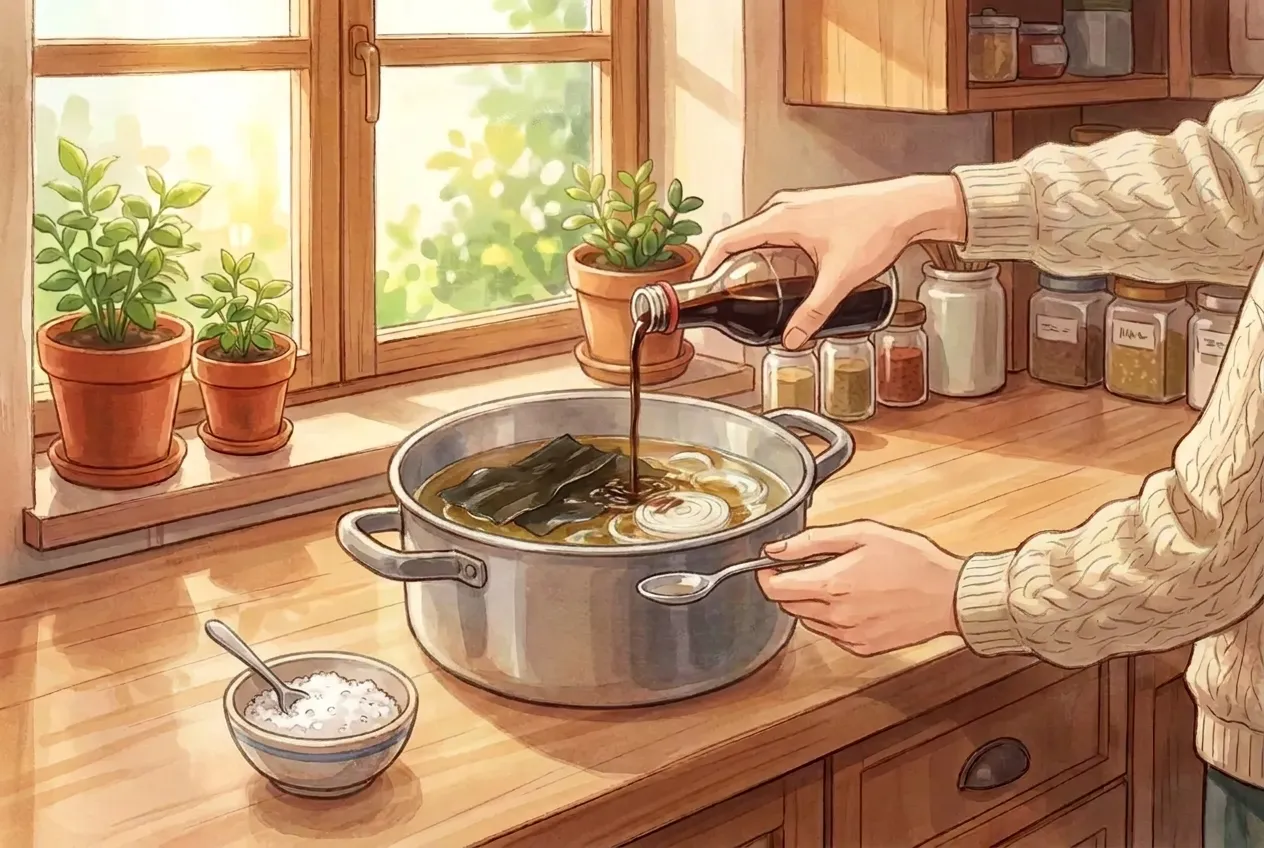
- 2 Season the broth with the soup soy sauce (or regular soy sauce) and salt. Taste it: it should be lightly salty, because the noodles will mellow it. Keep it warm on low heat.
- 3 Prepare the toppings: slice the zucchini and carrot into thin matchsticks and stir-fry each separately in a little oil with a pinch of salt for 1–2 minutes, until just soft. Fry the beaten egg as a thin sheet, then slice it into ribbons.
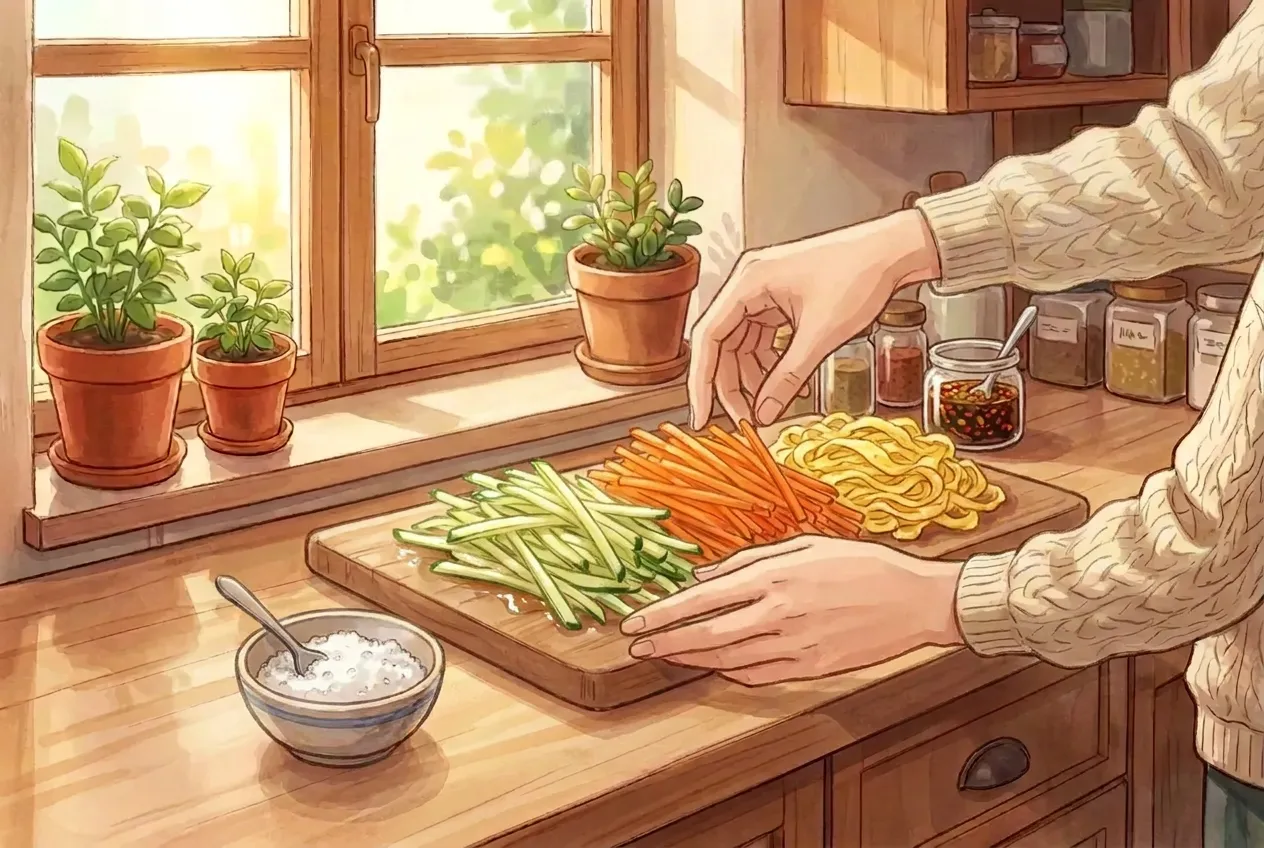
- 4 Mix the seasoning sauce: stir together the soy sauce, chopped green onion, garlic, sesame oil, sesame seeds and gochugaru (leave the gochugaru out if you like it mild).
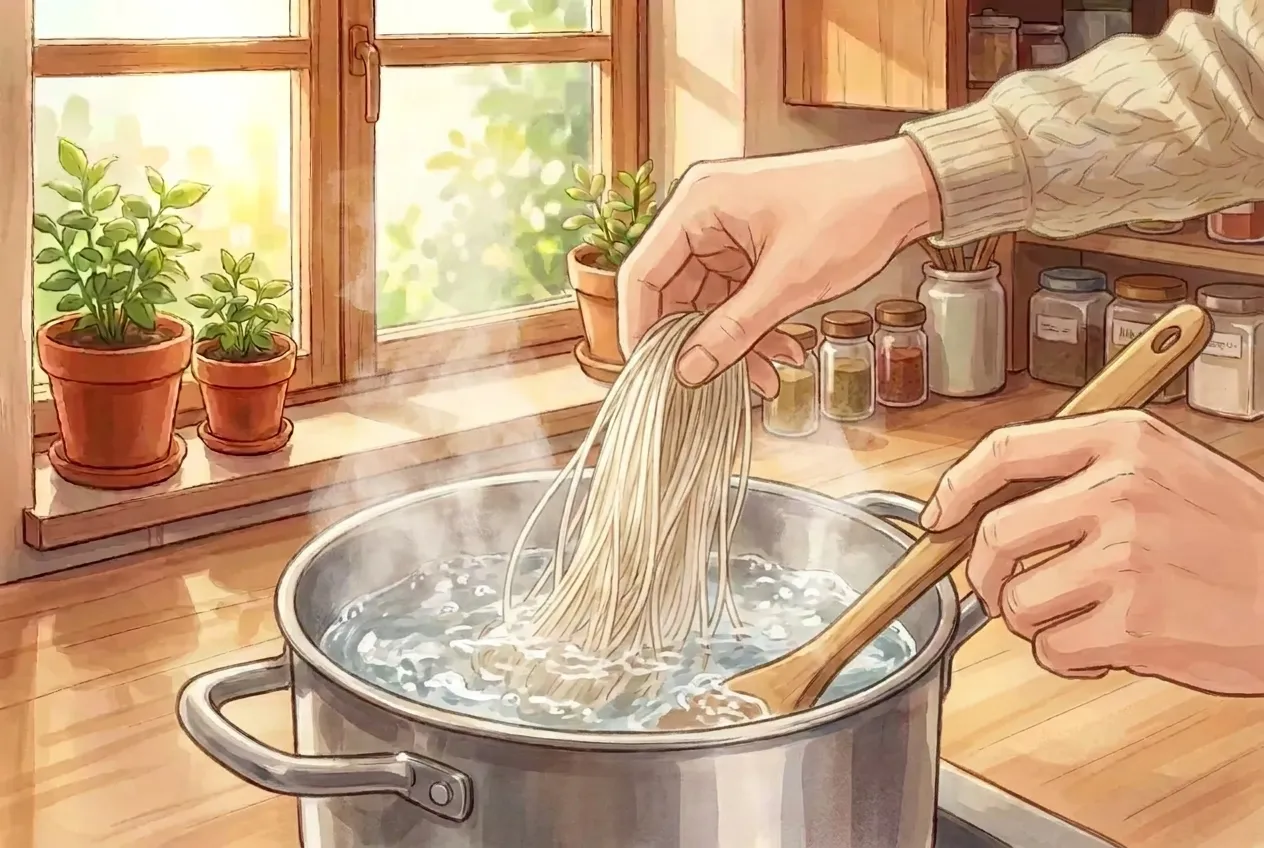
- 5 Cook the noodles in a separate pot of boiling water for about 3 minutes, or as the package says, stirring so they don't stick.
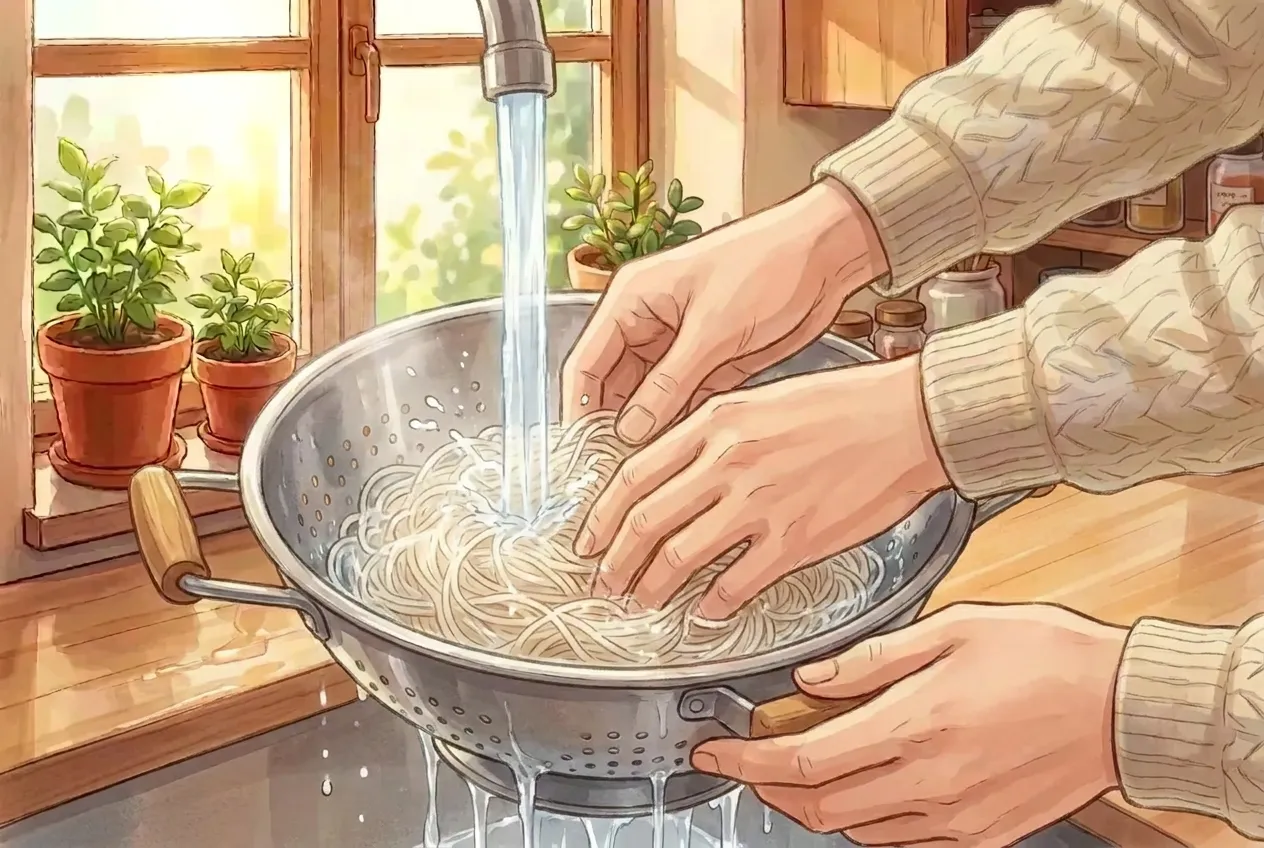
- 6 Drain and rinse the noodles under cold running water, rubbing gently, until they feel springy. Drain well.
- 7 Divide the noodles between bowls, ladle the hot broth over them, add the toppings and a spoonful of seasoning sauce, and serve right away.
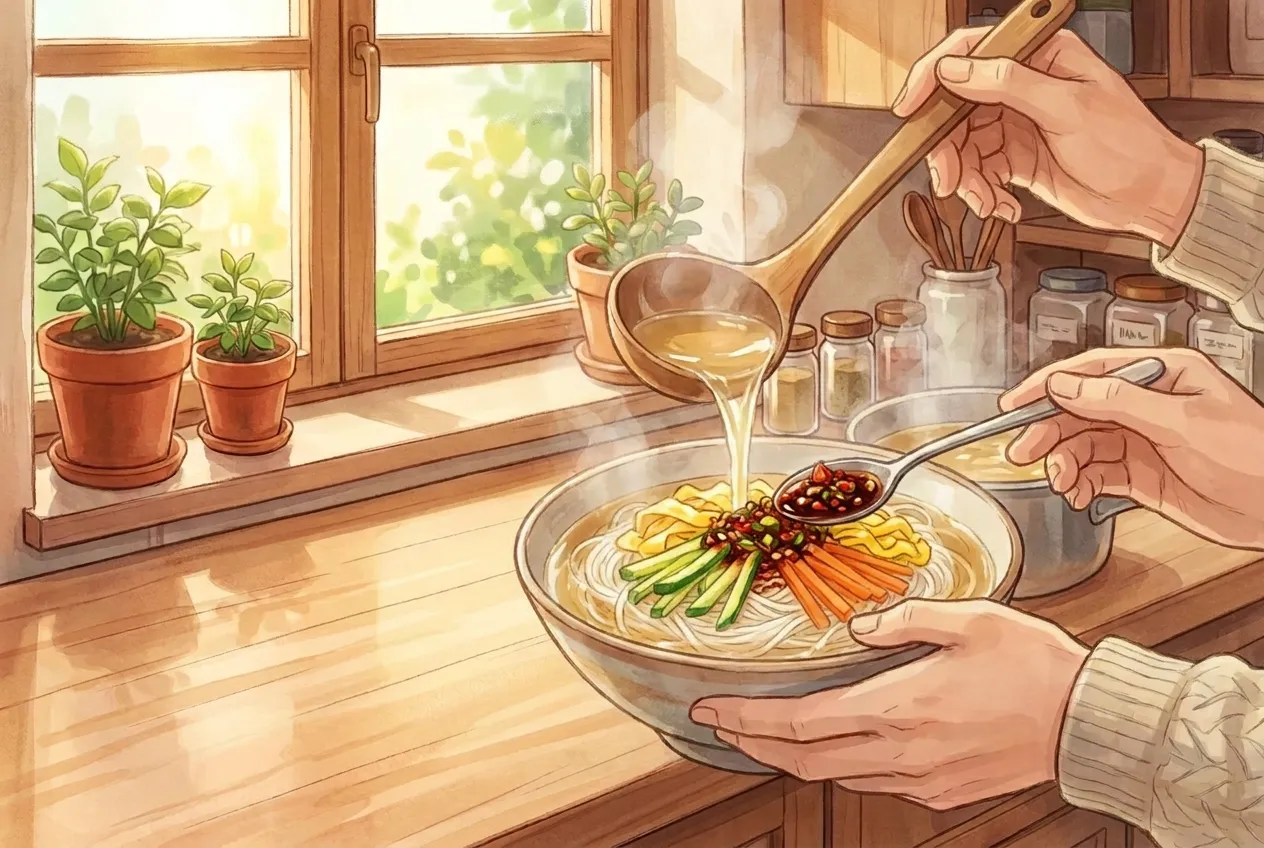
잔치Janchi means 'feast': the long thin noodles are a wish for a long, happy life, which is why they turn up at celebrations.
Substitution Guide
About the Anchovy Broth — Here's What to Do
The broth (멸치육수, myeolchi yuksu) is where most people hesitate. Good news: you have several easy ways around it.
Use this — no need to look further
Dried anchovy broth packs or powder from any Asian grocer or online shop. Simmer a pack in the water for 10 minutes and you're done, with the same flavor and no gutting.
If you can't find that either
- Dashi (kombu and bonito, or instant dashi powder) — a little milder and smokier, but just as clear
- Light chicken or vegetable stock — season it a bit more with soy sauce and salt
If you have none of the above
Simmer the kelp (or even just the onion) with a few slices of zucchini and carrot. It's a lighter broth, but with soy sauce and the toppings it still makes a lovely warm bowl.
Why it matters (so you're not just guessing next time)
The broth gives the soup its savory, slightly sea-like depth, and the noodles and toppings are mild so they lean on it. Anything that adds clean umami, whether anchovy, dashi or stock, can do that job.
Want to Go Further?
This bowl needs very few specialty items. Once you're ready to stock two or three Korean pantry staples, a much wider range of Korean dishes opens up with very little extra effort.
Getting Started with Korean Cooking: The 3 Sauces You Need →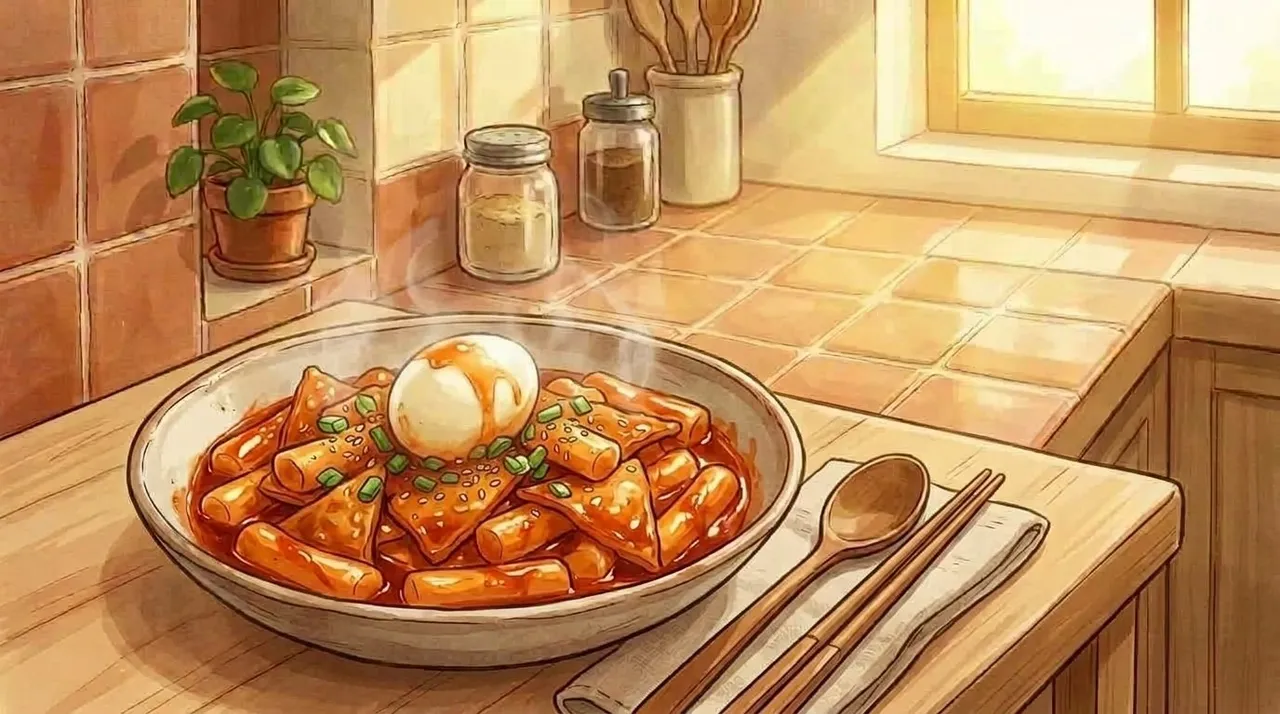
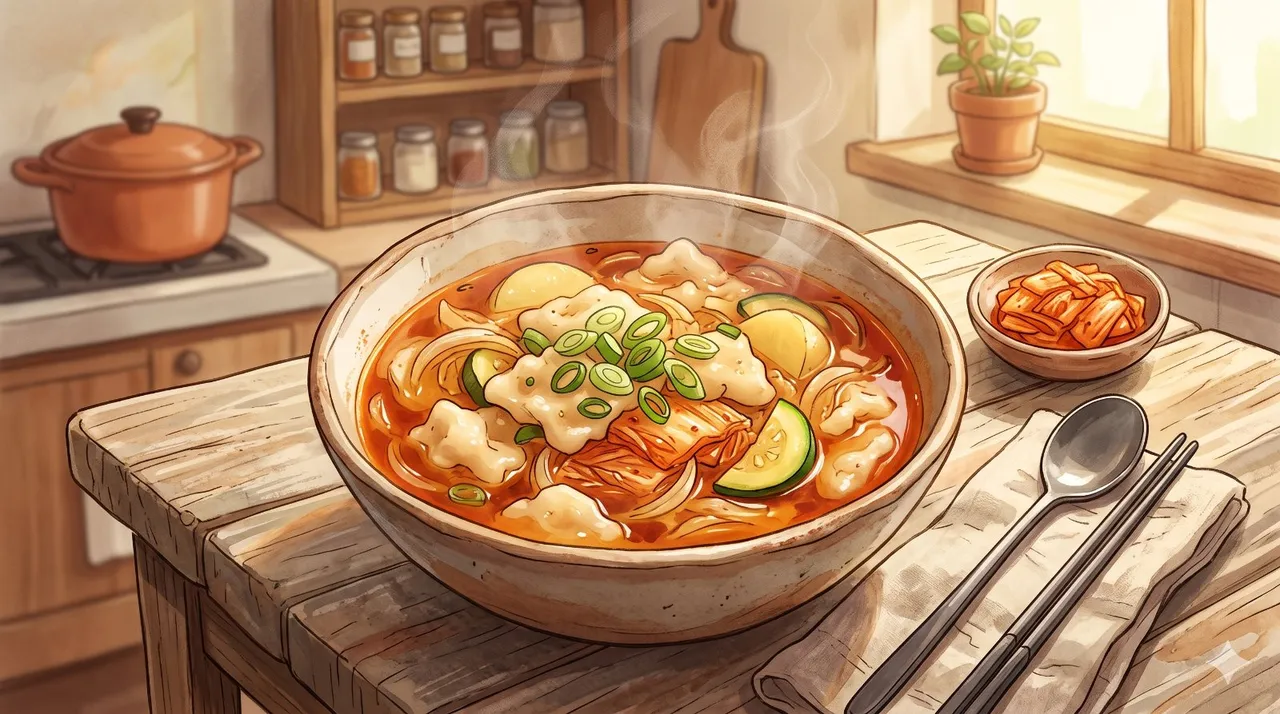
Cooks' versions
Made it your way? Show us.
Swapped an ingredient, changed the heat, plated it differently? Add a photo and a few words — we'll turn it into a pretty card right here on the Janchi-guksu page, so the next cook can follow your lead.
Spotted a mistake, or have an idea?
Tell us what to fix or improve in this recipe. This is not a public comment — it goes straight to the K-food team.
Made this with a different broth that worked well? Let us know in the comments — it helps the next person who gets stuck on this step.