
Recipe · Weeknight · Serves 2–3
It's Okay — You Can Make Kimchi-jjigae, Korea's Everyday Kimchi Stew, at Home
Kimchi-jjigae is the stew Korean home cooks make when the kimchi in the fridge has turned sour: a bubbling pot of kimchi, pork and tofu that goes with a bowl of rice. It comes together in about 40 minutes. If you don't have every ingredient on this list, that's fine — keep reading before you decide to skip it.
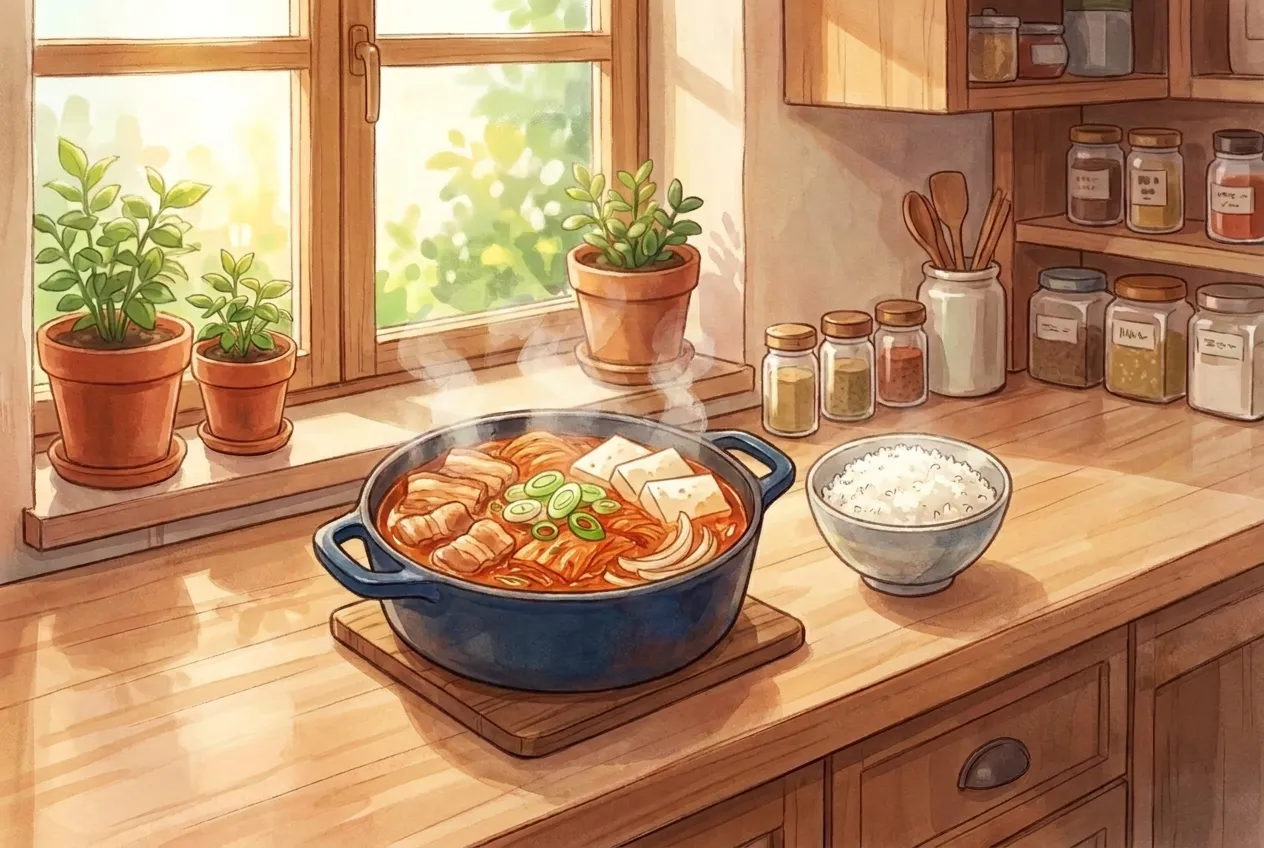
Before You Shop: Quick Ingredient Check
- Kimchi (the more sour, the better)substitute below if yours is fresh
- Pork belly or pork shouldereasy anywhere, swaps below
- Tofu, onion, garlic, green onioneasy anywhere
- Gochugaru (Korean chili flakes)substitute below
- Water, rice-rinsing water or anchovy stockplain water works
Nothing here is a dealbreaker. Let's cook.
Ingredients (serves 2–3)
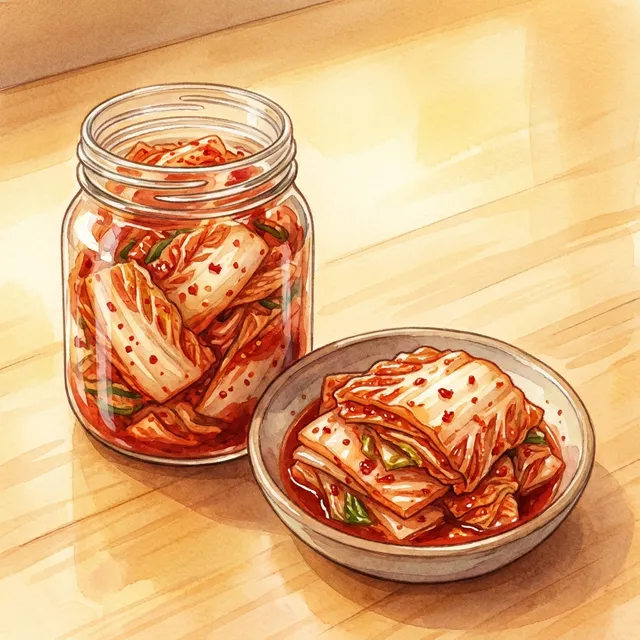 2 cups (about 300g / 10 oz) well-fermented, sour kimchi, cut into bite-size pieces (plus 3 tbsp of the kimchi juice from the jar)
 200g (7 oz) pork belly or pork shoulder, sliced into bite-size pieces
- 1 tbsp neutral oil
- ½ onion, sliced
 1 to 2 tbsp gochugaru (Korean chili flakes) (adjust to your spice level)
- 2 cloves garlic, minced
- 1 tsp sugar
 2½ cups (600ml) water, rice-rinsing water or anchovy stock
 ½ block (about 150g / 5 oz) firm tofu, sliced
 1 green onion, sliced
 Soy sauce or salt, to taste
Steps
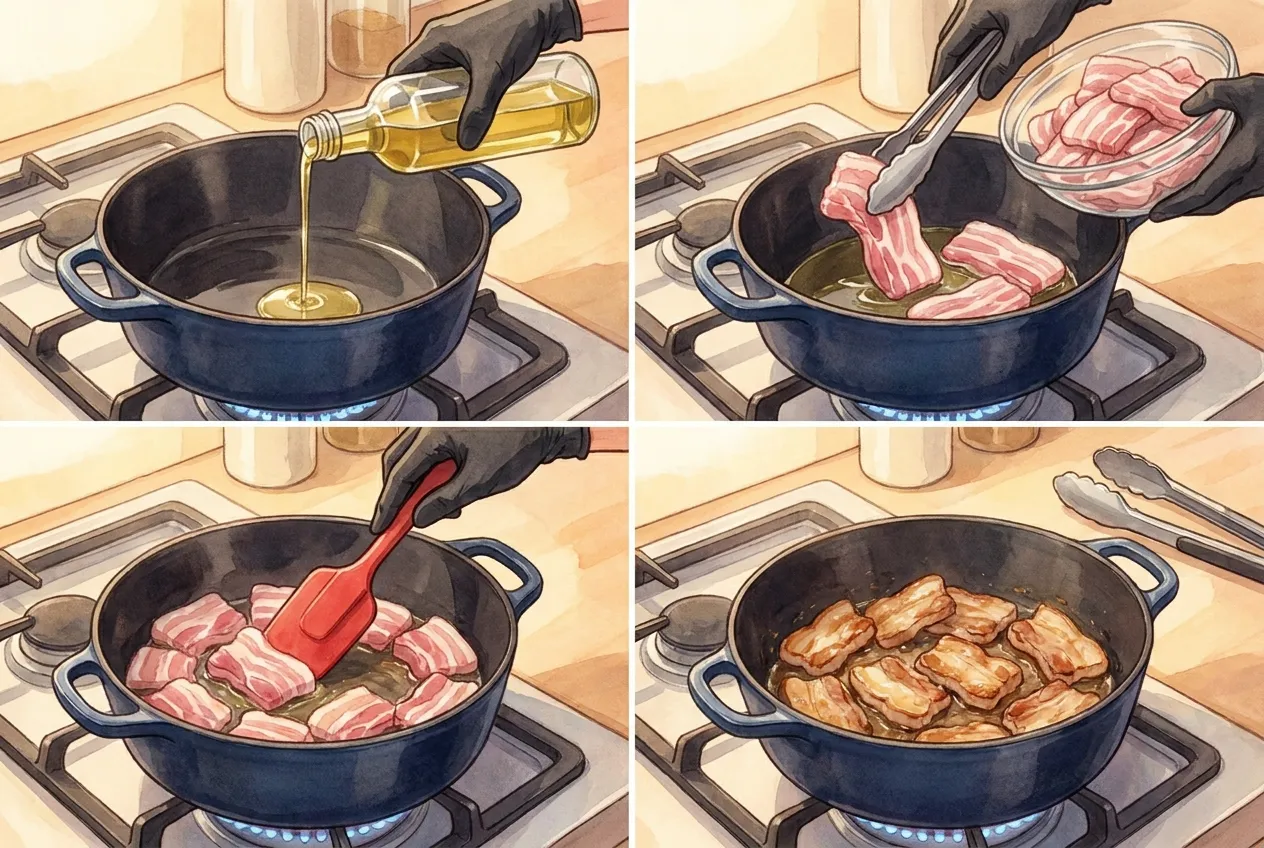
- 1 Heat the oil in a medium pot over medium-high heat. Add the pork and cook for 3–4 minutes, until the edges turn golden.
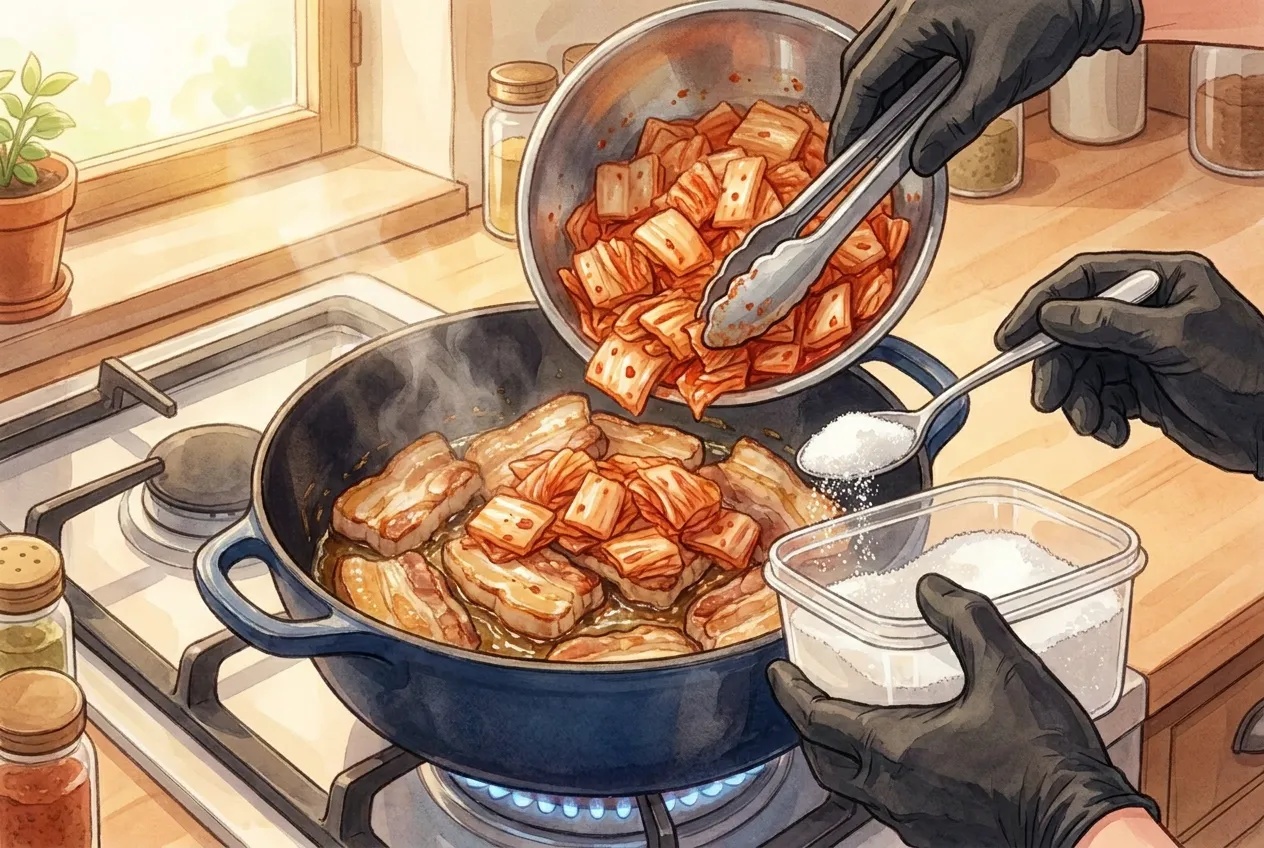
- 2 Add the kimchi and the sugar. Stir-fry for 3–4 minutes, until the kimchi softens and turns slightly translucent.
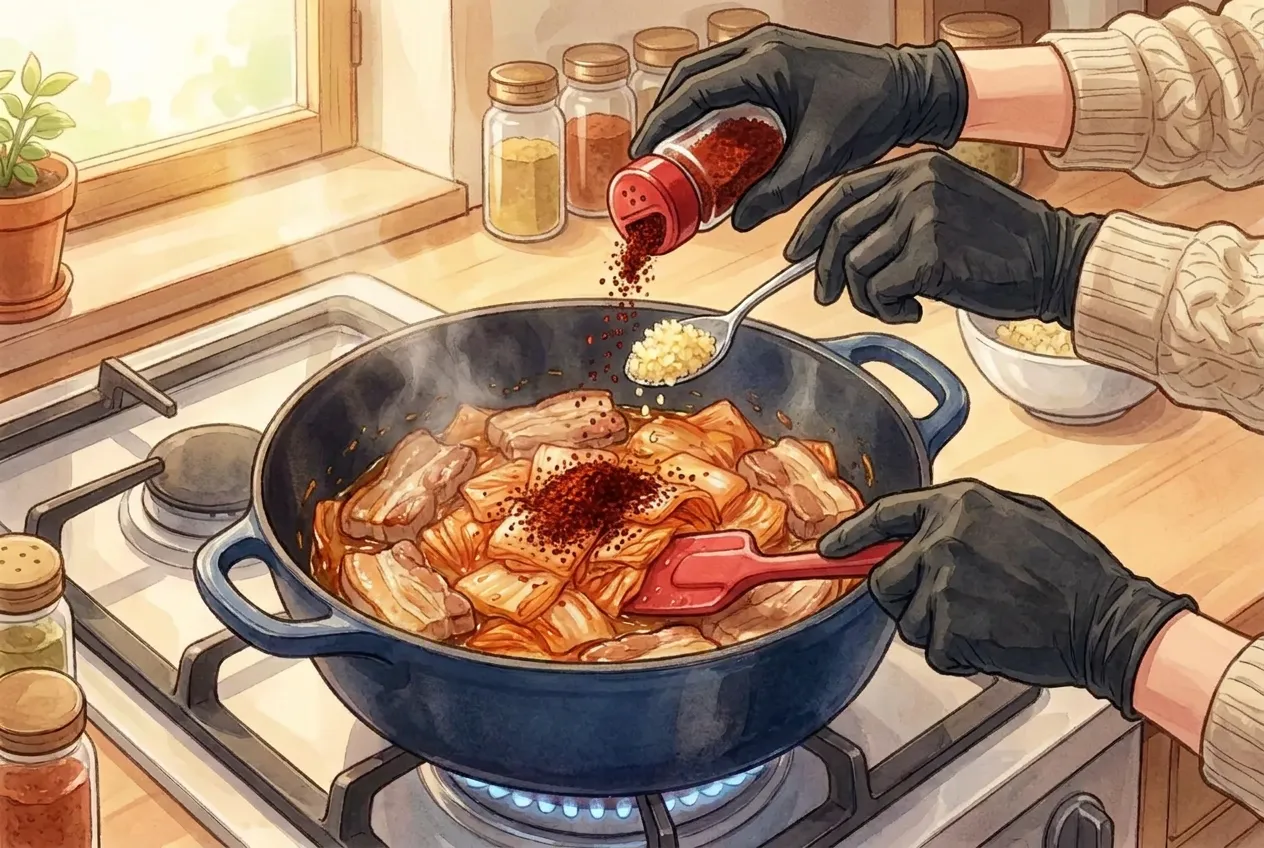
- 3 Turn the heat to low. Stir in the gochugaru and garlic and cook for about 30 seconds, stirring constantly so the chili doesn't scorch.
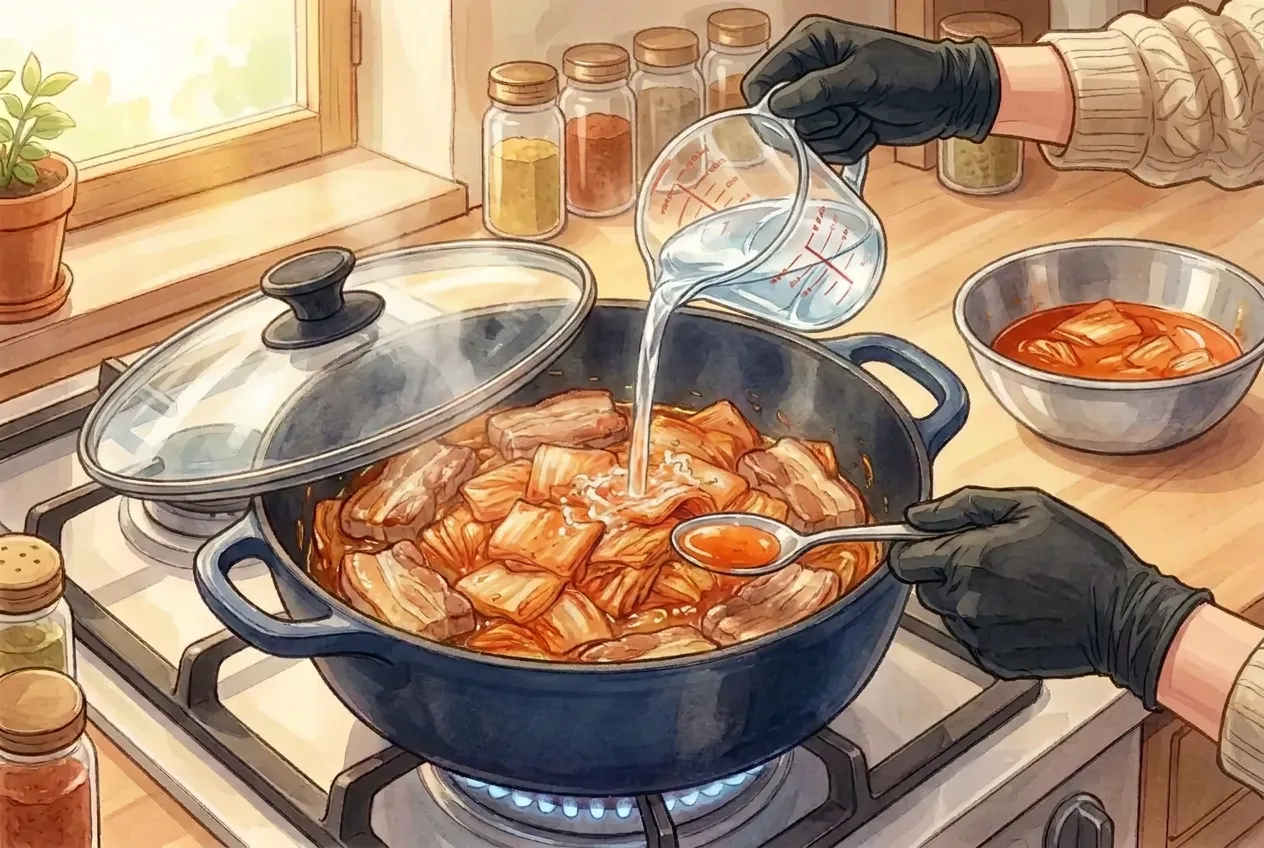
- 4 Pour in the water and the kimchi juice. Bring to a boil, then simmer with the lid slightly open for 15–20 minutes, until the pork is tender and the broth tastes deep.
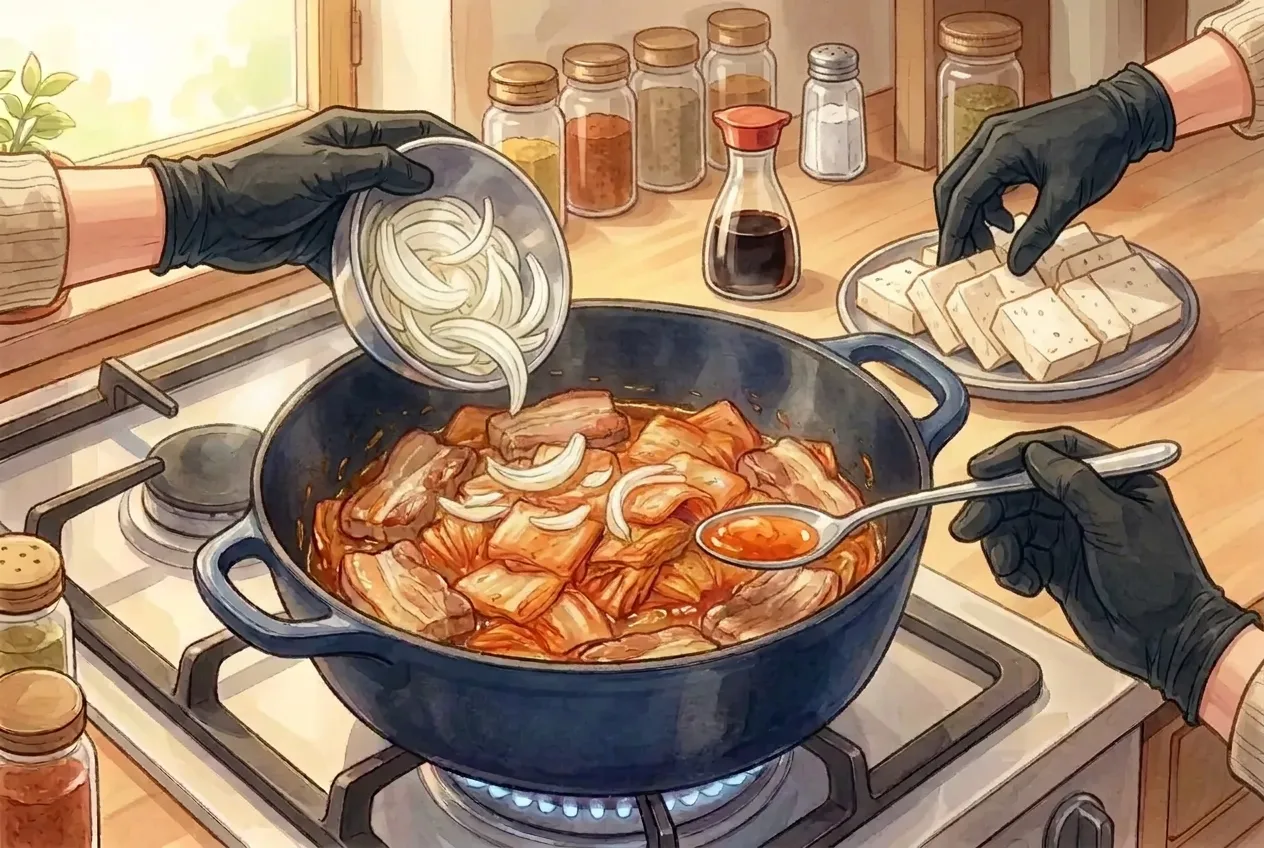
- 5 Add the onion and tofu and simmer for 5 more minutes. Taste, and add a little soy sauce or salt if it needs it, or a pinch of sugar if it tastes too sharp.
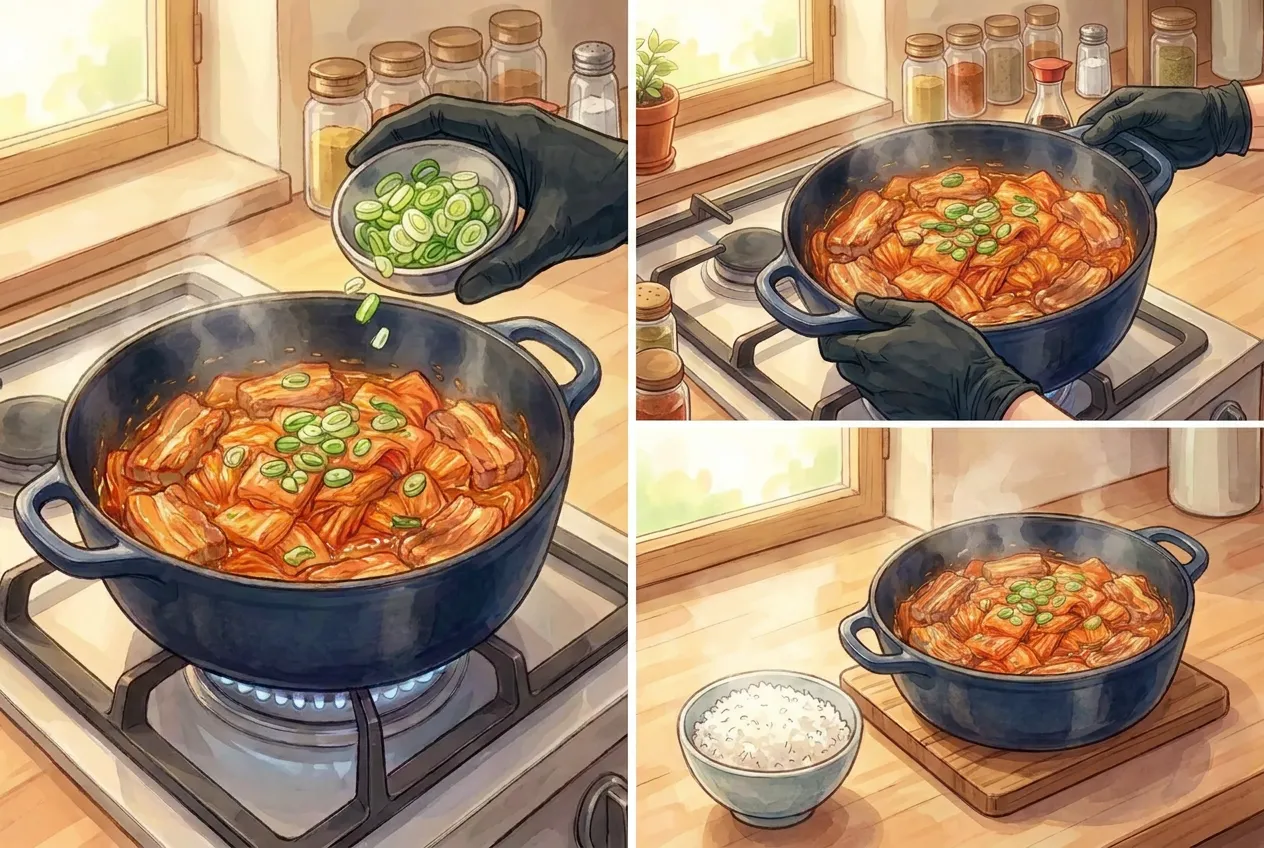
- 6 Scatter the green onion on top and turn off the heat. Bring the pot to the table bubbling, with a bowl of steamed rice.
국룰Fry the kimchi with the pork before adding any water — the sour edge mellows and the stew tastes much deeper.
Substitution Guide
About the Kimchi and the Pork — Here's What to Do
Two things decide how this stew tastes: sour, well-aged kimchi and a bit of fatty pork. Here's the good news: you can get a very good stew from whatever you have.
Use this — no need to look further
Kimchi that isn't very sour yet? Cook it in the pot a few minutes longer in step 2, and stir in about 1 teaspoon of rice vinegar (or a squeeze of lemon) with the water. It gives the tang that aged kimchi would have brought.
If you don't have pork belly
- Pork shoulder or any pork — leaner cuts are fine, just add an extra teaspoon of oil
- Thick-cut bacon — it's salty, so go easy on the soy sauce at the end
- Canned tuna (drained) — add it in step 4 instead of pork, for the popular tuna kimchi stew
- Canned ham (Spam, luncheon meat or similar) — slice it and add it with the tofu
If you can't find gochugaru
Use about half as much regular red pepper flakes (they're often hotter and coarser), or stir in a spoonful of gochujang and skip the soy sauce. A milder, less spicy stew is also completely fine.
Why it matters (so you're not just guessing next time)
Kimchi-jjigae is built from three jobs: sour fermented kimchi for depth, fatty pork to round off the heat, and a long gentle simmer to bring it together. As long as those three jobs get done, you can swap individual ingredients with confidence.
A Couple More Notes
About the Kimchi Juice
The liquid in the kimchi jar is full of flavor, so don't throw it away. If you have no juice to spare, add a little more kimchi or a splash of vinegar instead.
Make It Ahead
Stews like this often taste even better the next day. Reheat it gently on the stove and add a splash of water if it has thickened.
Want to Go Further?
This stew uses mostly everyday ingredients. Once you're ready to stock two or three Korean pantry staples, a much wider range of Korean dishes opens up with very little extra effort.
Getting Started with Korean Cooking: The 3 Sauces You Need →Watch It Made
These cooks speak Korean. Press CC in the player, then the gear icon → Subtitles → Auto-translate to read along in your language.


Cooks' versions
Made it your way? Show us.
Swapped an ingredient, changed the heat, plated it differently? Add a photo and a few words — we'll turn it into a pretty card right here on the Kimchi-jjigae page, so the next cook can follow your lead.
Spotted a mistake, or have an idea?
Tell us what to fix or improve in this recipe. This is not a public comment — it goes straight to the K-food team.
Made this with a different swap that worked well? Let us know in the comments — it helps the next person who gets stuck on this step.