
Recipe · Street food · Serves 2
It's Okay — You Can Make Tteokbokki, Korea's Chewy Spicy Rice Cakes, at Home
Tteokbokki is the red, glossy, chewy-in-the-middle snack sold from street stalls all over Korea. It is one pan, a handful of ingredients and about 25 minutes. If your sauce comes out a little thinner or thicker than the photos, that's fine; a minute more or less on the stove fixes it.
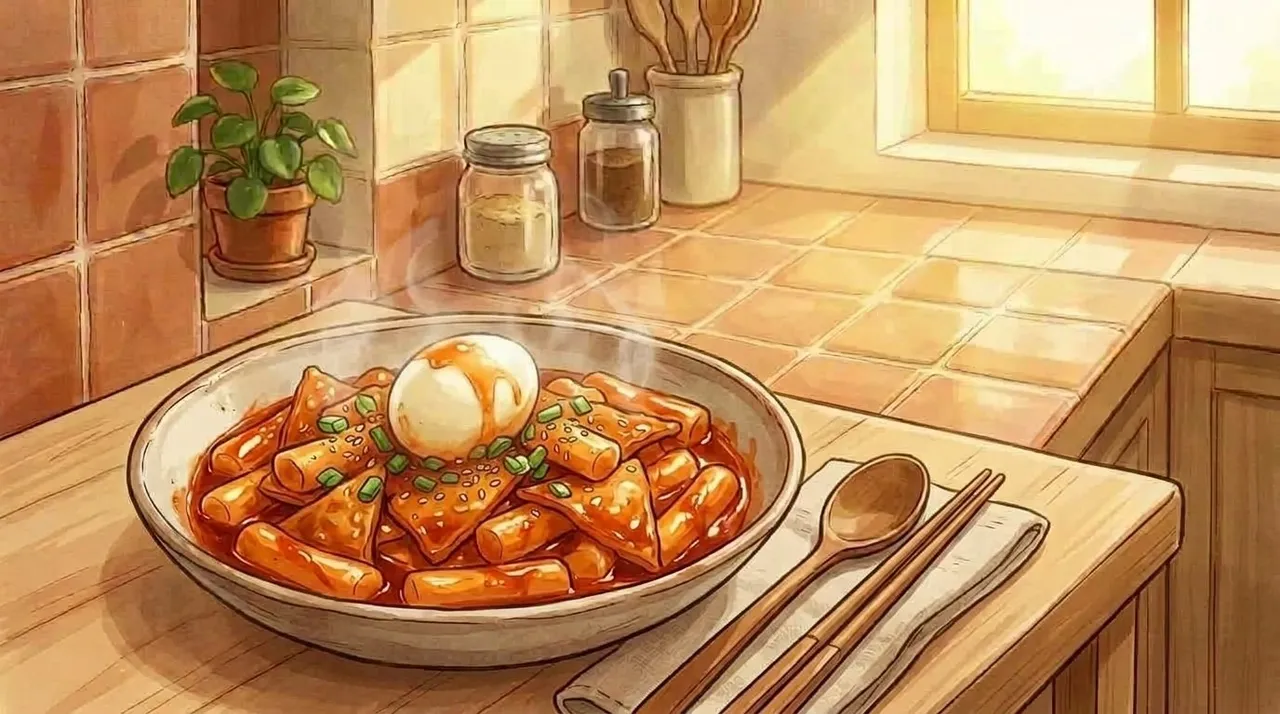
Before You Shop: Quick Ingredient Check
- Tteok (cylinder rice cakes)sold refrigerated or frozen at Korean grocers; see below if you can't find them
- Gochujangthe one real must-have for the sauce
- Gochugaru (chili flakes)adds color and heat; optional if you like it milder
- Fish cakenice to have, easy to skip
- Anchovy stock or plain waterwater works fine
Only the rice cakes and gochujang are specialty items. Everything else is optional or already in your kitchen, and plain water works if you don't have stock.
Ingredients (serves 2 as a snack or light meal)
 300g (about 10 oz) cylinder rice cakes (tteok) (if hard, soak in warm water 10 minutes)
 2 cups (480 ml) water or anchovy stock
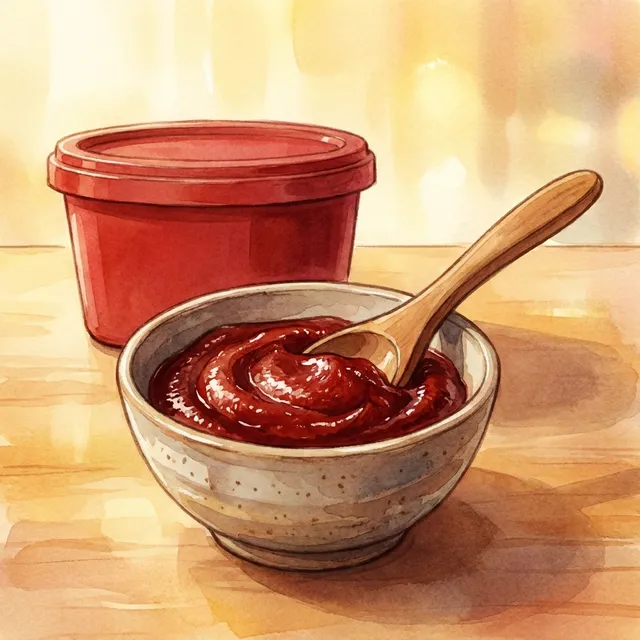 2 tbsp gochujang
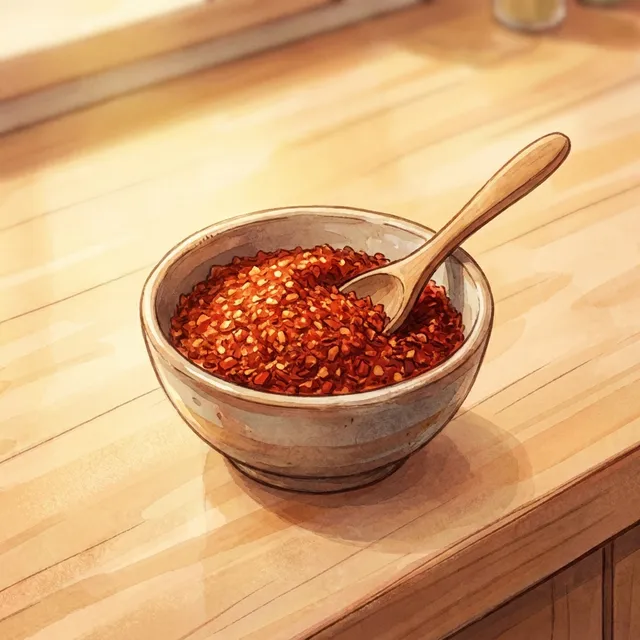 1 tbsp gochugaru (chili flakes) (optional, for color and heat)
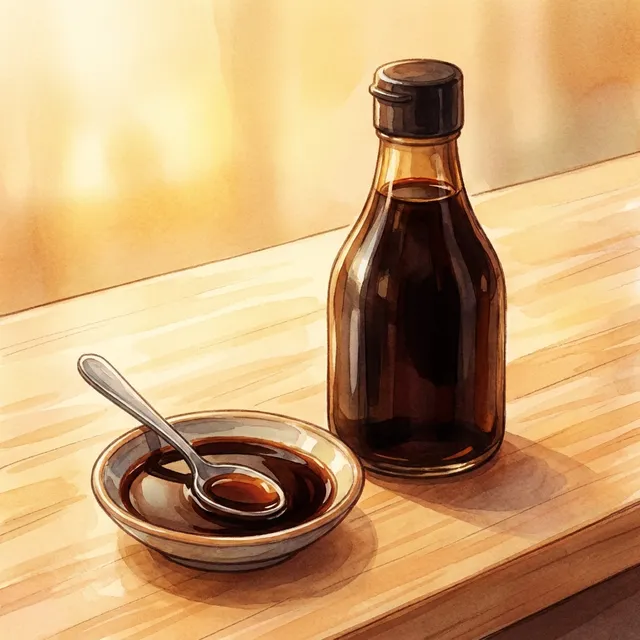 1 tbsp soy sauce
- 1 tbsp sugar
- 2 cloves garlic, minced
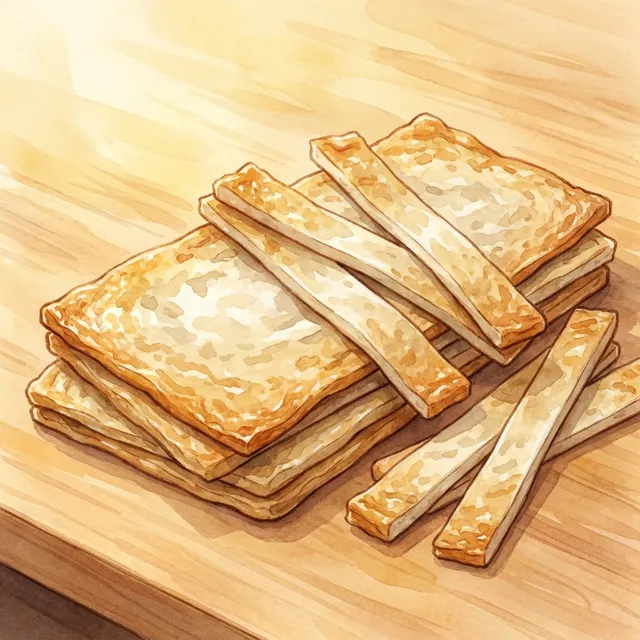 2 sheets fish cake, cut into triangles (optional)
 2 green onions, cut into 5cm lengthsBuy on Amazon
- 1 boiled egg, halved (optional)
Steps
- 1 If the rice cakes are frozen or hard, soak them in warm water for about 10 minutes, then drain. Separate any that are stuck together.

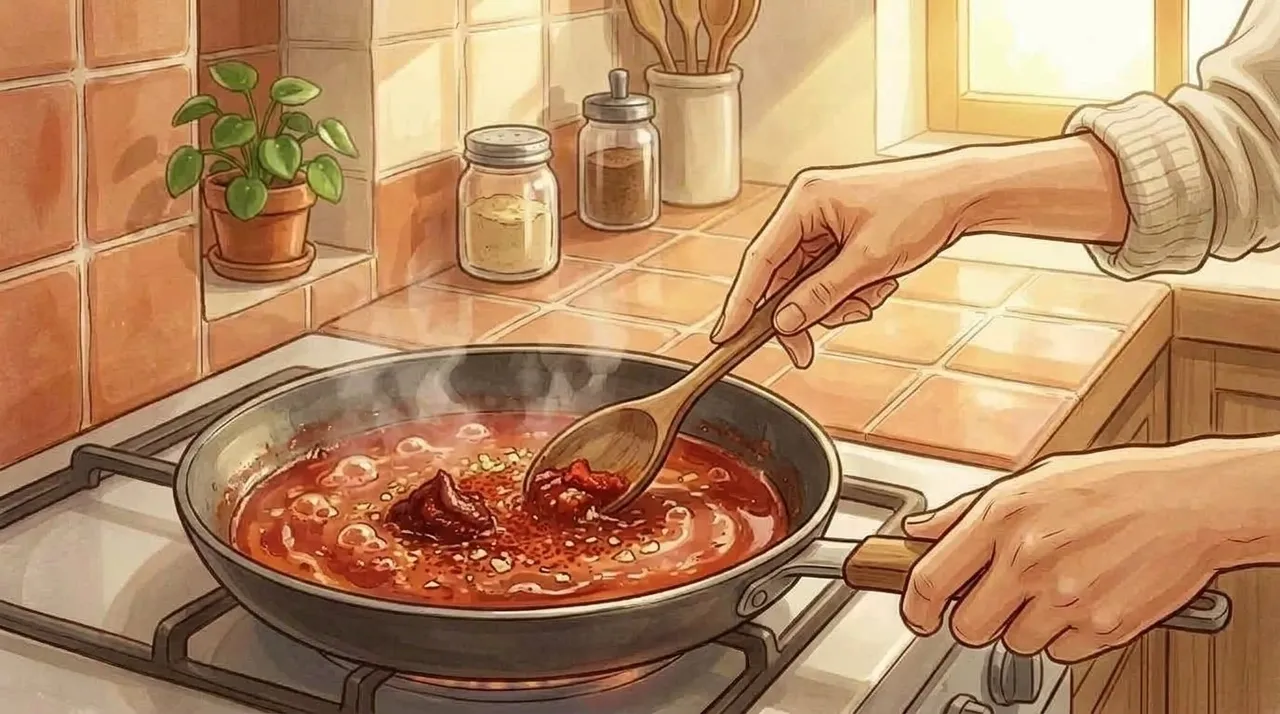
- 2 In a wide pan, stir the water or stock with the gochujang, gochugaru, soy sauce, sugar and garlic until the paste dissolves. Bring to a boil over medium-high heat.
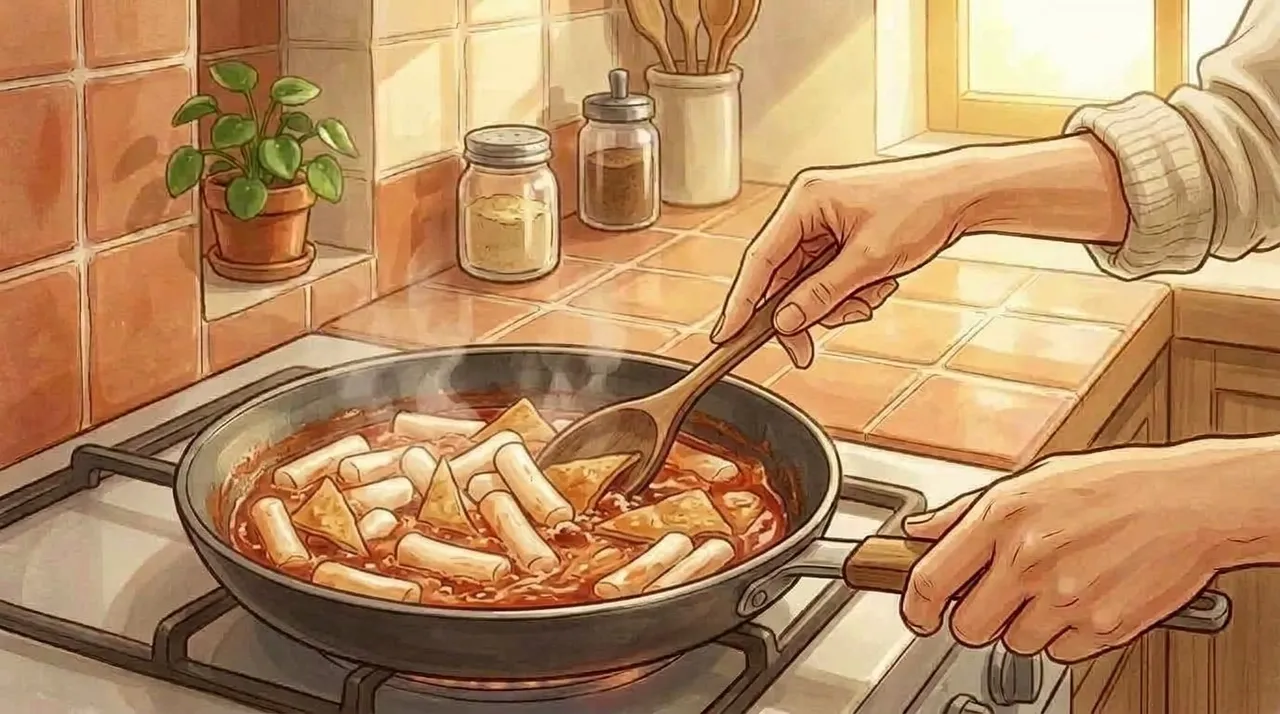
- 3 Add the rice cakes and fish cake. Reduce to medium and simmer for 8-10 minutes, stirring often so the rice cakes don't stick to the bottom.
- 4 Add the green onions and cook 2-3 minutes more, until the sauce is thick and glossy and clings to the rice cakes. If it gets too thick, splash in a little water.
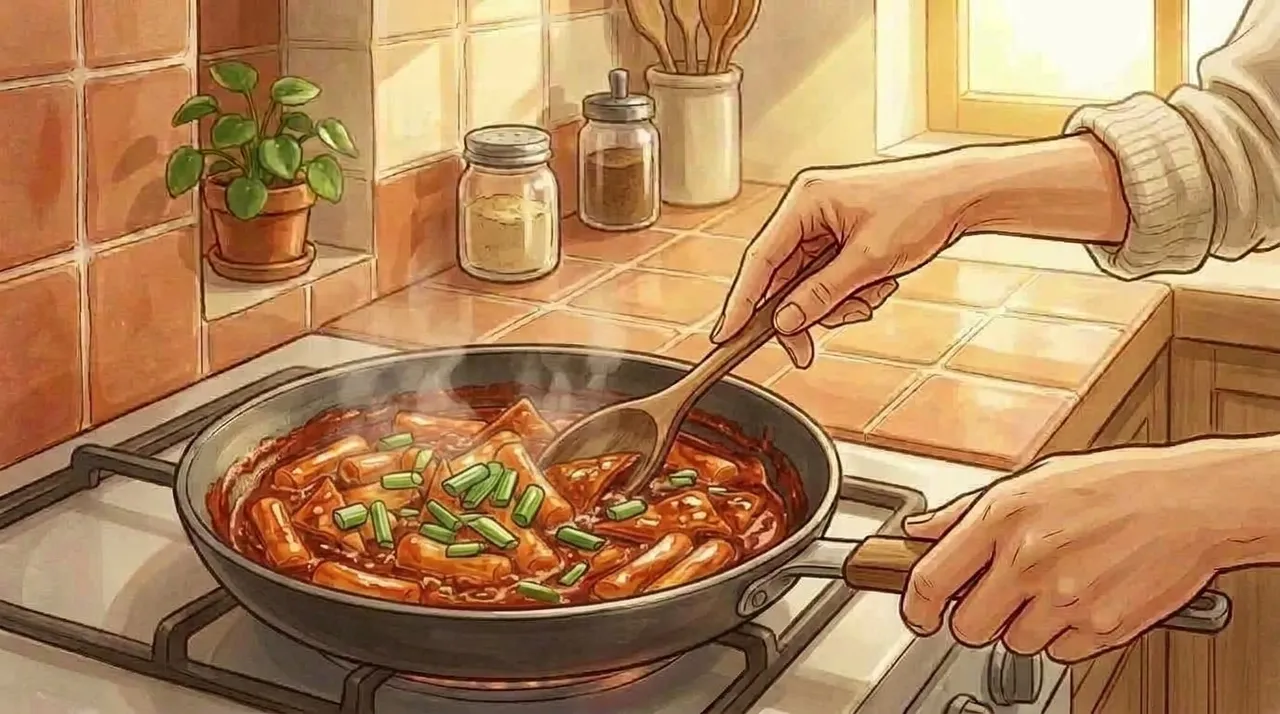
- 5 Taste. Add a pinch more sugar if it's too sharp, or a splash of water if it's too strong. Serve hot with the boiled egg on top.
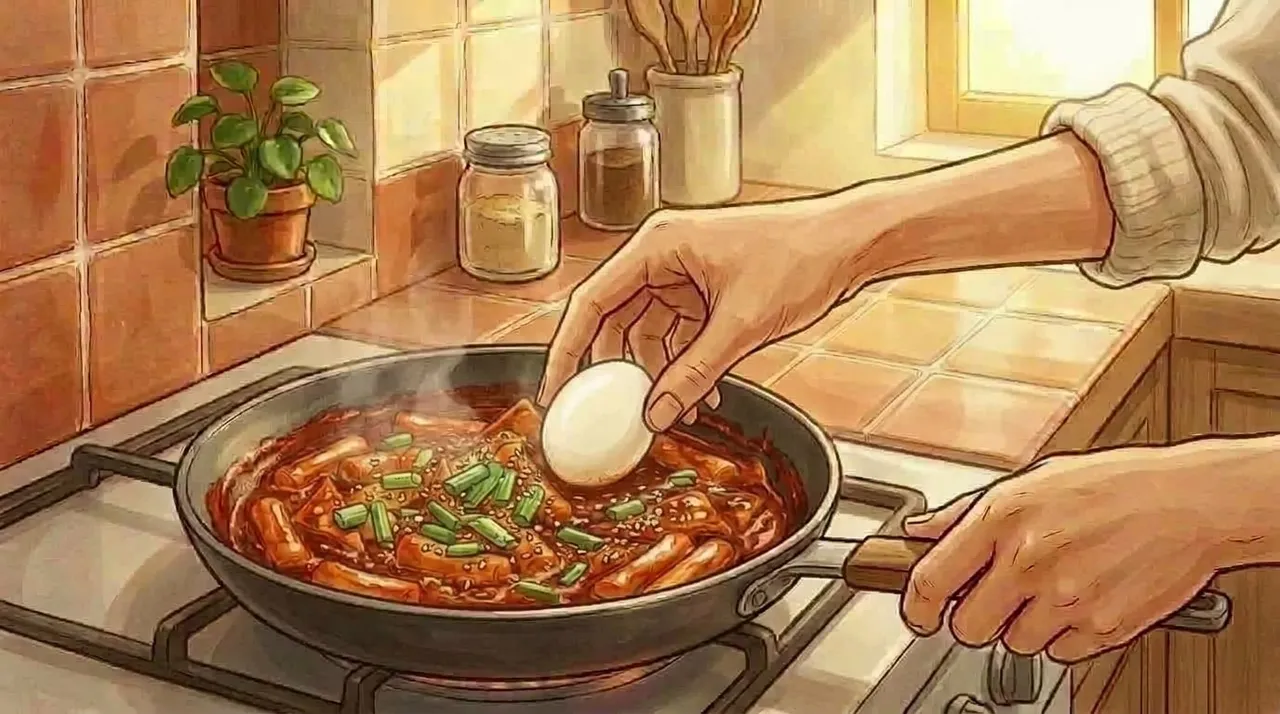
국룰Street stalls serve it in a paper cup with skewers. A fork works fine, and so does eating it straight from the pan.
Substitution Guide
No Anchovy Stock? Here's What to Do
Traditional tteokbokki uses 멸치육수 (anchovy stock) for depth, but the sauce is strong enough to stand without it.
Use this if you don't have anchovy stock
Plain water plus a little extra soy sauce. Add 1 tsp more soy sauce, or a small pinch of salt, and the sauce still tastes round and savory. A chicken or vegetable stock cube also works.
If you can't find cylinder rice cakes
Sliced tteok or even gnocchi. Sliced oval rice cakes (for tteokguk) cook faster, in about 5 minutes. Shelf-stable gnocchi is a softer stand-in; add it for the last 3-4 minutes.
If the sauce is off
- Too spicy: add a spoonful of sugar, or a slice of cheese on top.
- Too thin: simmer a couple more minutes, stirring.
- Rice cakes still hard in the middle: add a splash of water and keep simmering.
Why the rice cakes get soaked first (so you can fix them yourself)
Rice cakes that have been refrigerated or frozen turn firm and dry. Soaking in warm water relaxes them so they cook evenly, instead of staying hard in the centre while the sauce reduces.
A Few Things Worth Knowing
Fried rice afterward
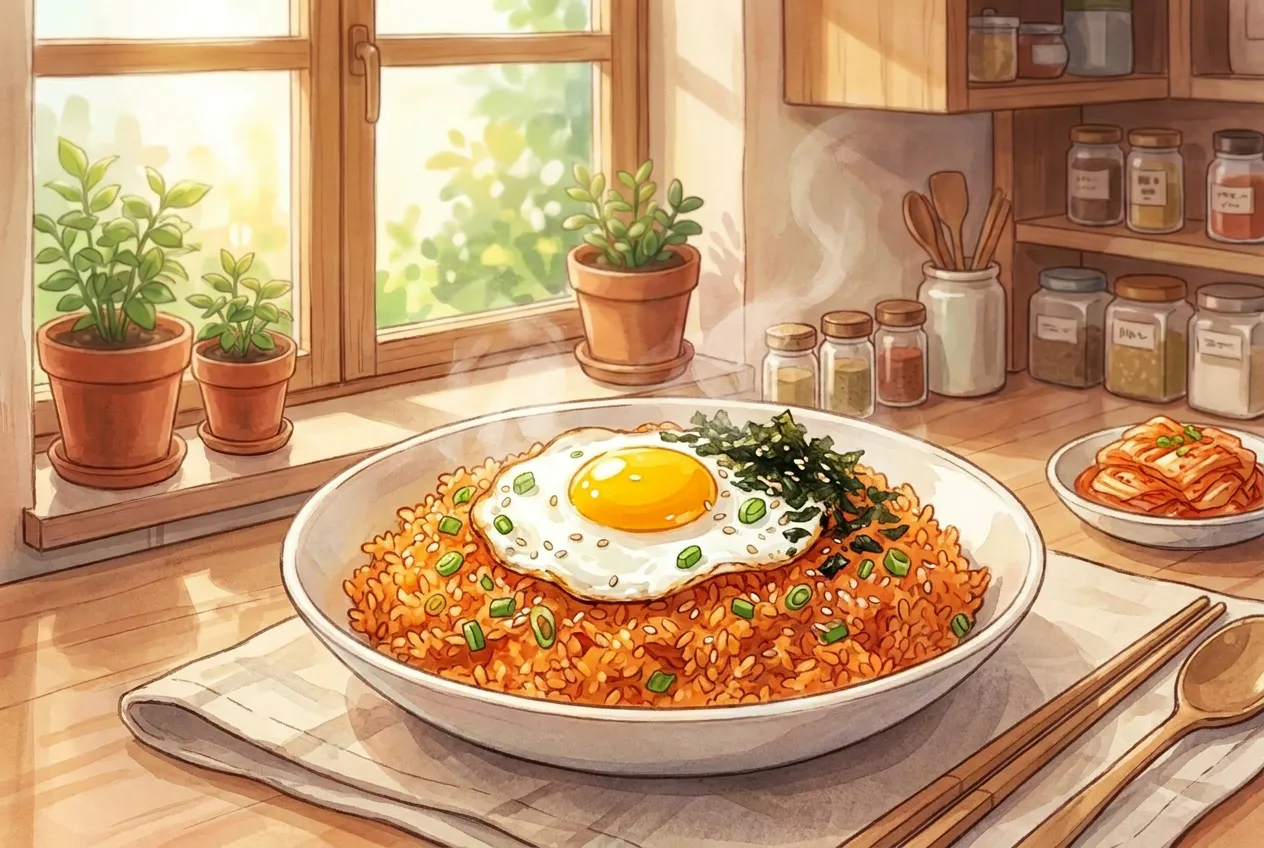
A Korean favorite: stir a bowl of rice into the leftover sauce and fry it until it browns on the bottom.
Make-ahead
Tteokbokki hardens as it cools. Reheat it with a splash of water to loosen the sauce.
Want to Go Further?
Tteokbokki is a good way to get comfortable with gochujang. When you're ready to cook more savory dishes, three sauces cover most of what you'll make.
Getting Started with Korean Cooking: The 3 Sauces You Need →Watch It Made
These cooks speak Korean. Press CC in the player, then the gear icon → Subtitles → Auto-translate to read along in your language.
Cooks' versions
Made it your way? Show us.
Swapped an ingredient, changed the heat, plated it differently? Add a photo and a few words — we'll turn it into a pretty card right here on the Tteokbokki page, so the next cook can follow your lead.
Spotted a mistake, or have an idea?
Tell us what to fix or improve in this recipe. This is not a public comment — it goes straight to the K-food team.
Found a rice cake you love, or a way to get the sauce just right? Tell us in the comments.