
Korean Food Stories
The Stories Behind the Food
Why Koreans eat seaweed soup on their birthday, what a proper table looks like, and the season when a whole neighbourhood makes kimchi.
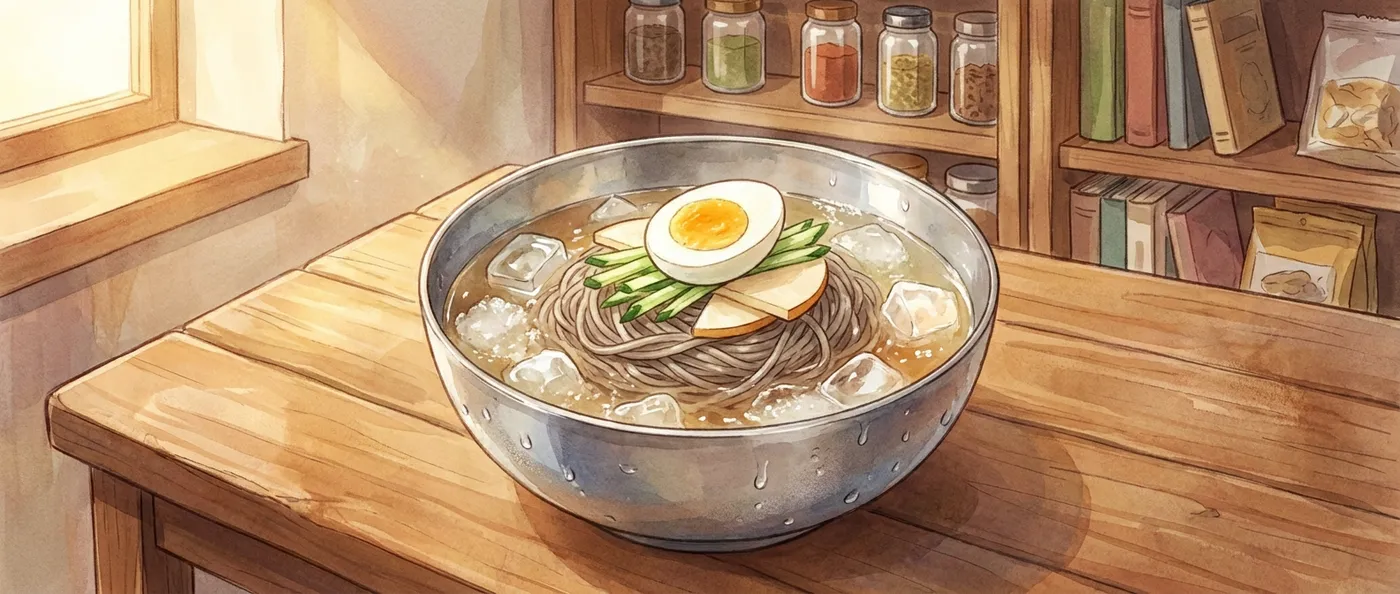 Noodles
Naengmyeon: Why Koreans Eat Icy Noodles in the Middle of Winter
A bowl of noodles in ice-cold broth sounds like a summer dish. In the north of Korea it was a winter one, eaten in a warm room with the snow outside.
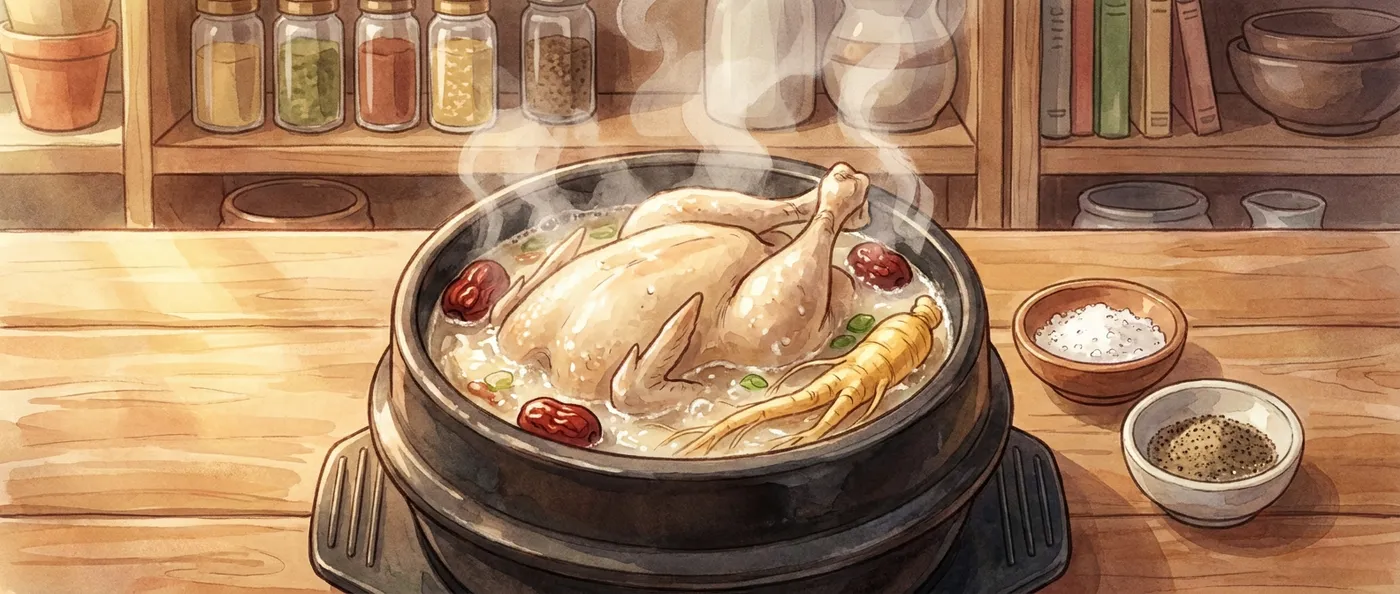 Seasons
Samgyetang and Boknal: Why Koreans Fight Summer Heat with a Boiling Soup
In the hottest weeks of the year, Korean restaurants fill with people eating a bubbling hot chicken soup. The old saying behind it is: fight heat with heat.
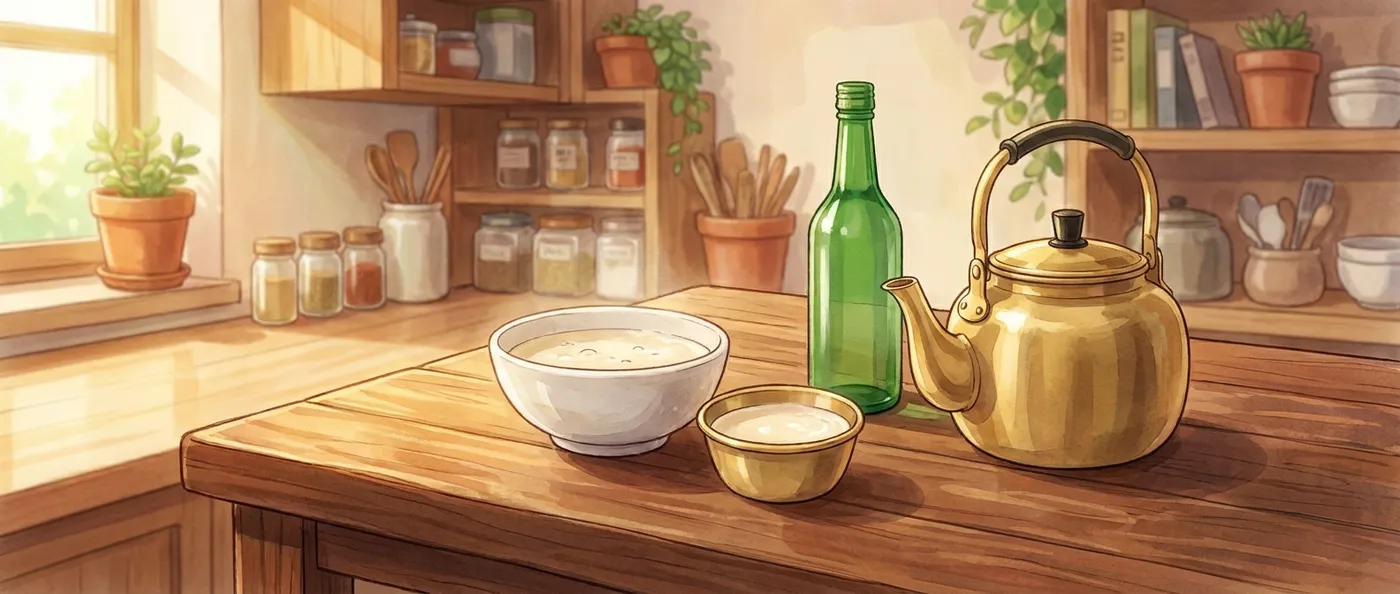 Drinks
Makgeolli: The Milky Rice Wine Koreans Pour for Friends on a Rainy Day
It is cloudy, lightly sparkling, a little sweet and a little sour, and it has been poured in Korean farm fields and living rooms for a very long time.
 Drinks
Sikhye and Sujeonggwa: Korea's Two Sweet Drinks for the End of a Meal
One is made from rice and malt, the other from cinnamon and ginger, and both are served cold after a heavy meal.
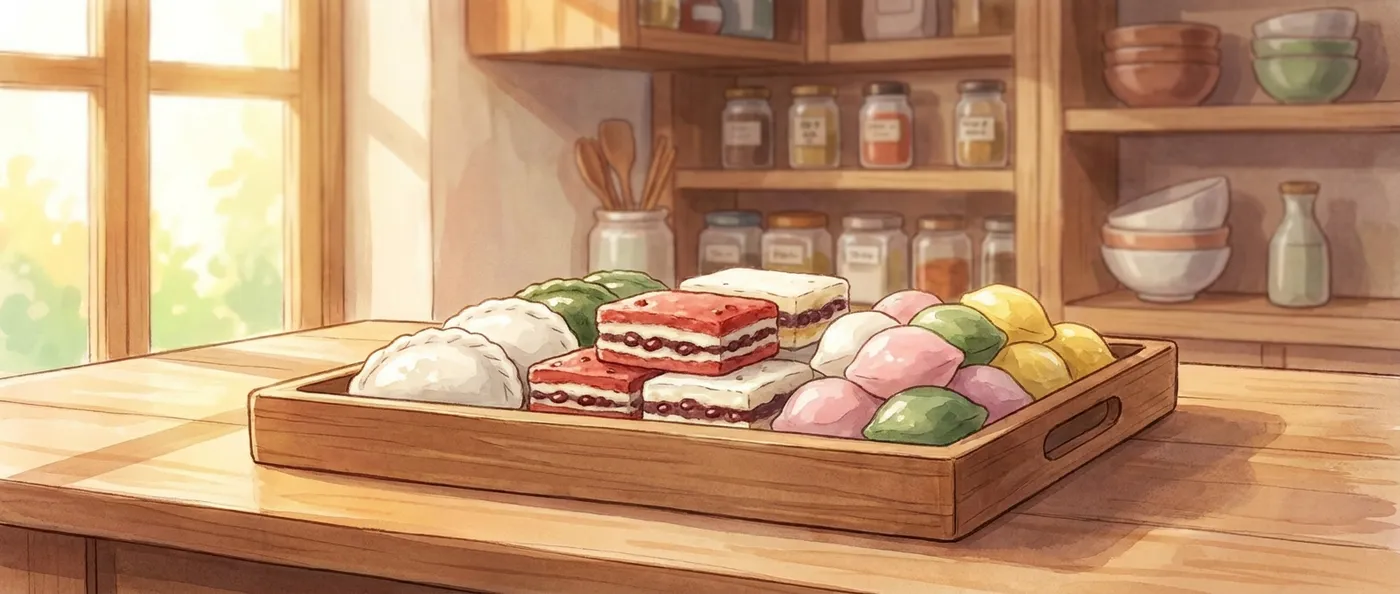 Traditions
Tteok: The Rice Cakes Koreans Share for Every Celebration
Chewy, plain or sweet, steamed or pounded, tteok is on the table at New Year, at harvest, at birthdays, and at the snack stall.
 Everyday food
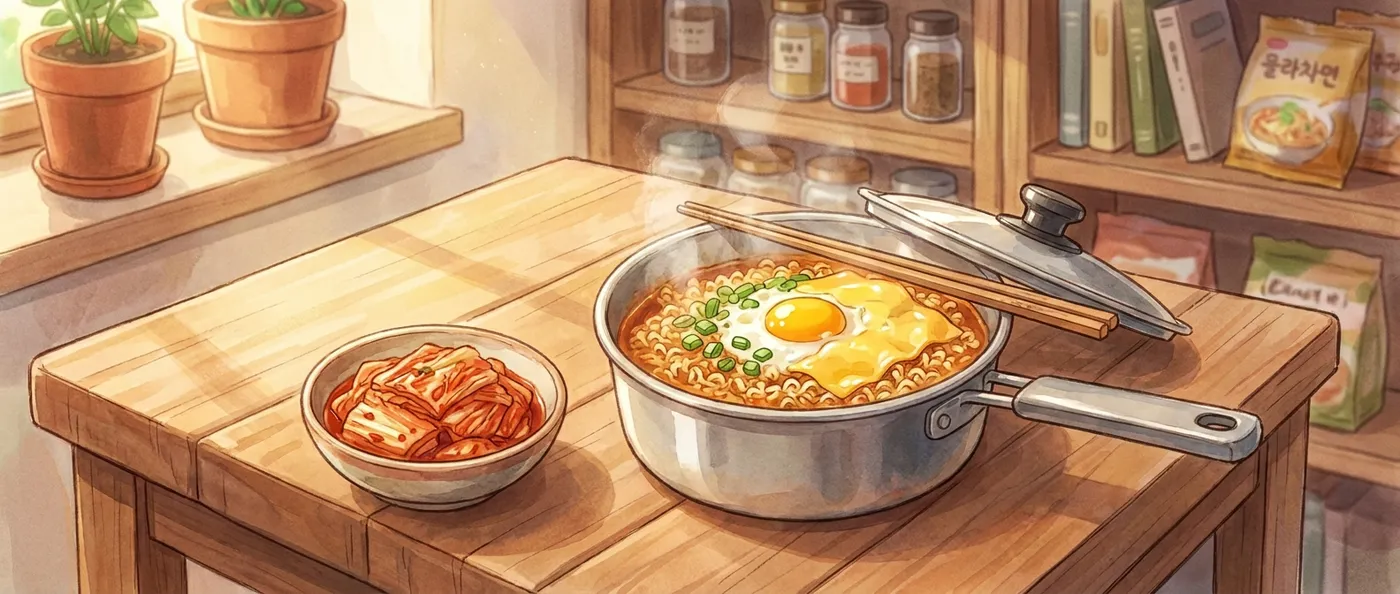
Ramyeon: How Korea Became the World's Biggest Instant Noodle Eaters
A Japanese invention that Korea made its own. South Korea tops the world for instant noodles per person.
 Ingredients
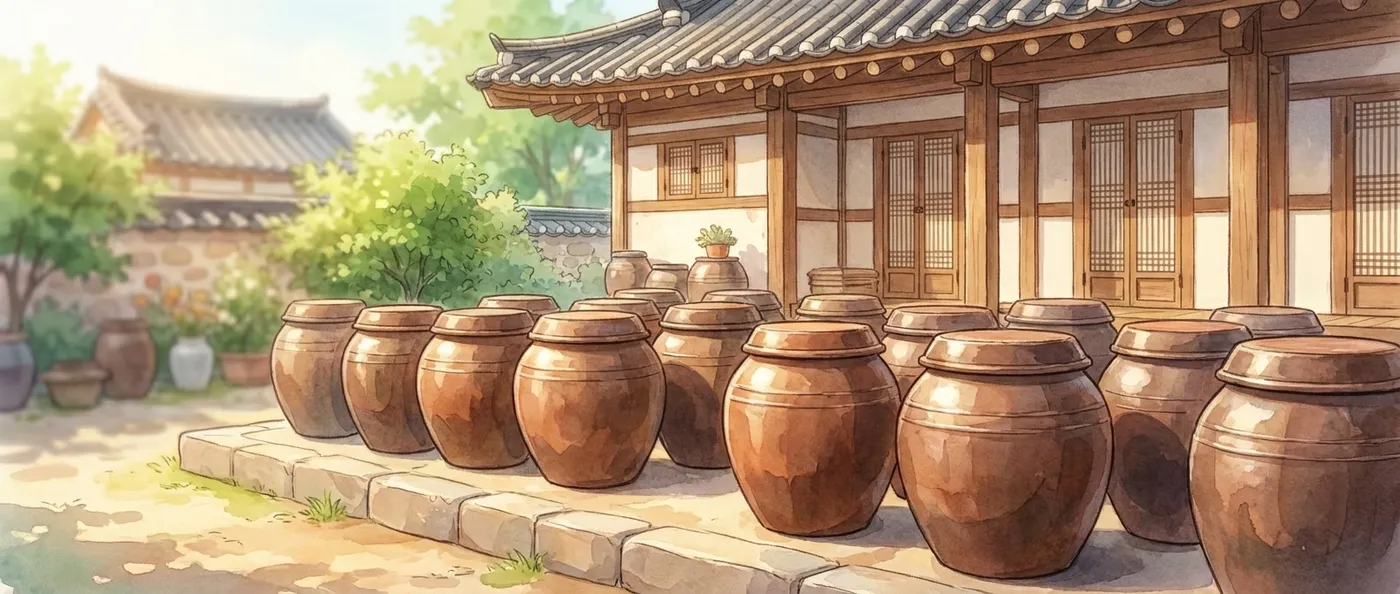
Gochujang: The Red Jar Behind Korean Cooking, and What to Use Until You Find One
It is sweet, savory, spicy and a little funky, and almost every Korean dish you love leans on it. Here is where it comes from, and what to do on the night you run out.
 Ingredients
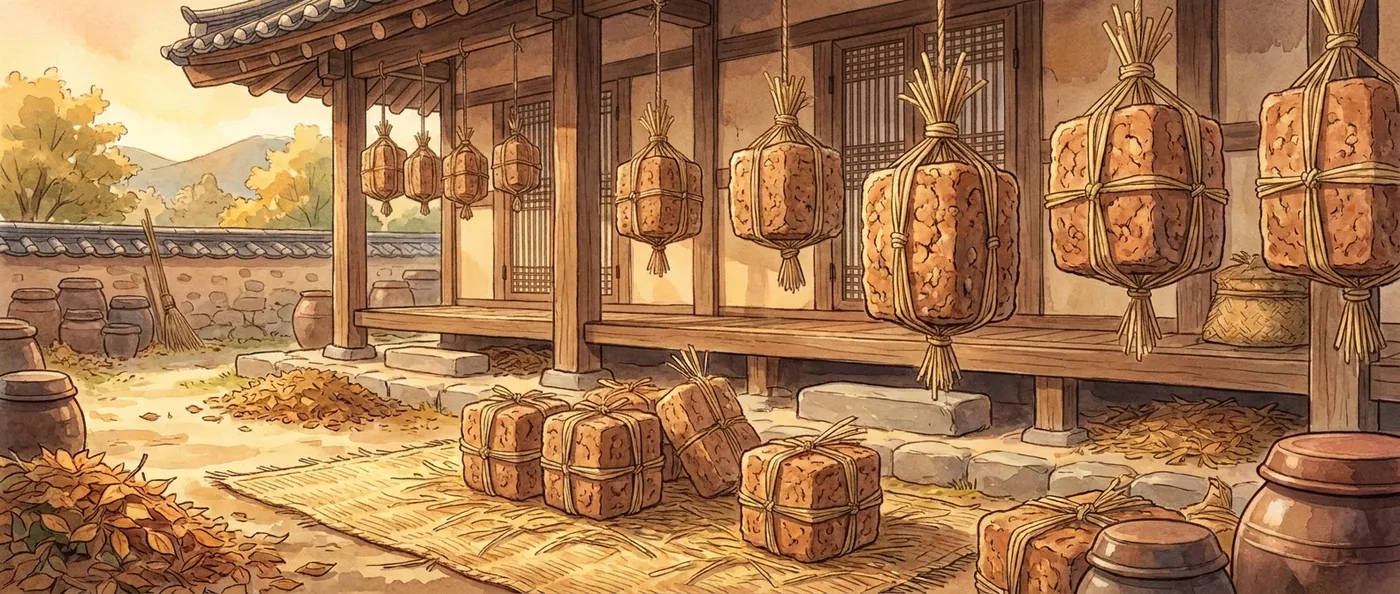
Doenjang: The Soybean Paste Koreans Have Brewed for Well Over a Thousand Years
It smells strong, tastes deep, and is the base of the stew Koreans make most often. Here is how a brick of soybeans becomes a pot of paste.
 Ingredients
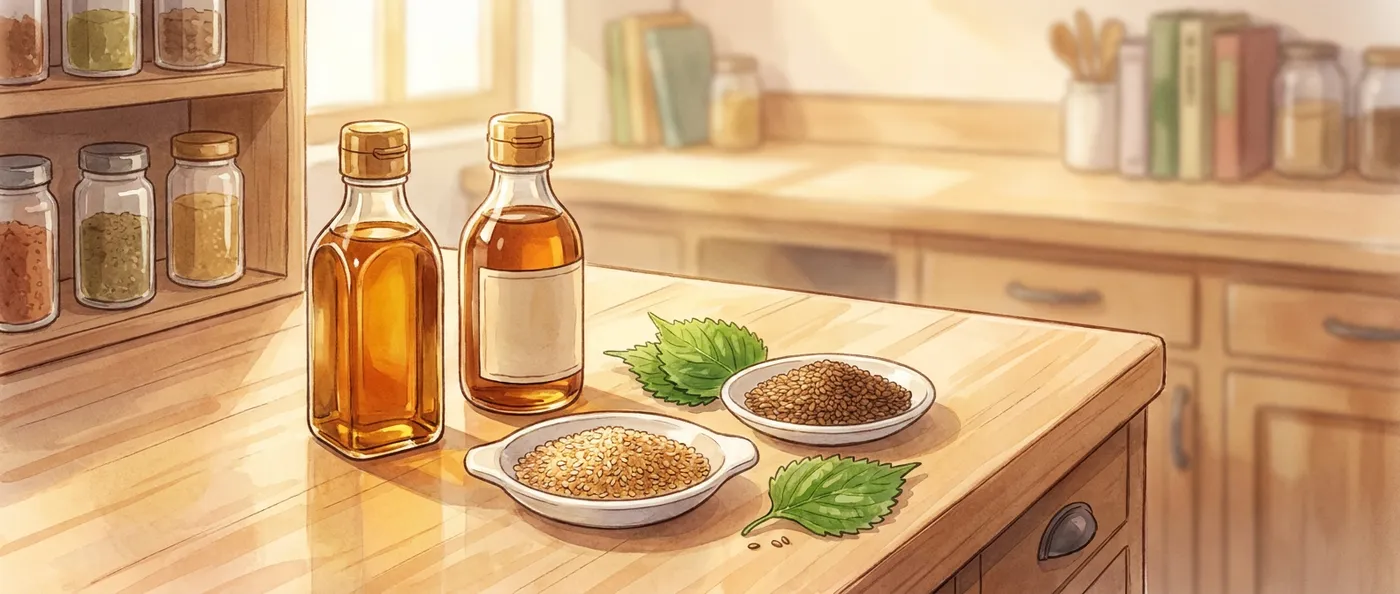
Sesame Oil and Perilla Oil: The Two Nutty Aromas of the Korean Kitchen
A few drops at the end of cooking is what makes a Korean dish smell like Korean food. Here are the two oils behind that smell.
 Ingredients
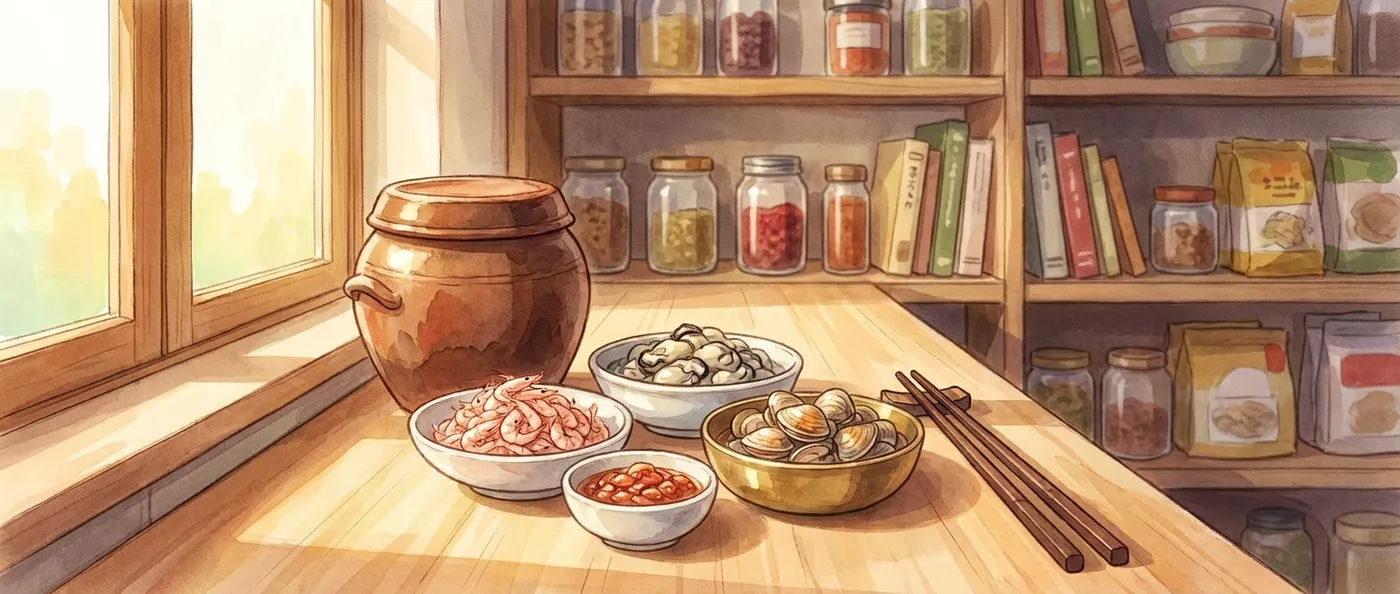
Jeotgal and Aekjeot: The Salty Seafood Secret Behind Korean Kimchi
Behind the deep savory taste of good kimchi is a bottle of salted, fermented seafood. Here is what is in it, and what to use in its place.
 Everyday food
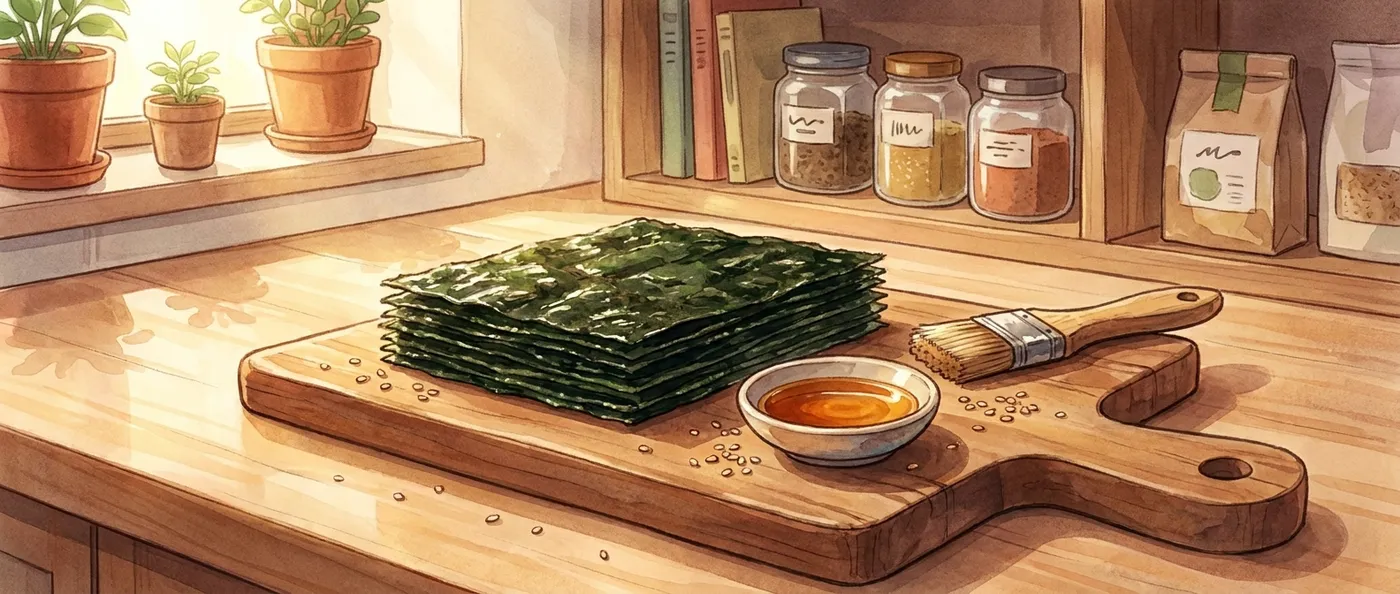
Gim and Gimbap: How Korea Wrapped Rice in Seaweed
It is in lunchboxes, on picnics and next to almost every bowl of rice in Korea. Here is where gim and gimbap come from.
 Traditions
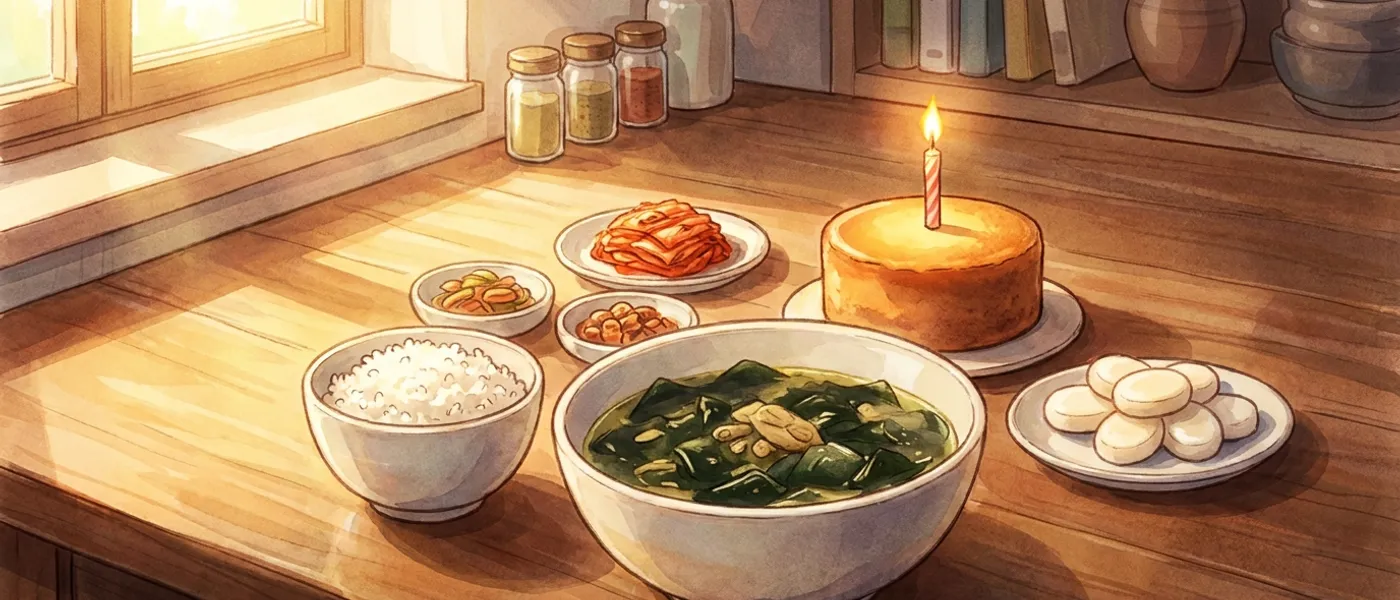
Why Koreans Eat Seaweed Soup on Their Birthday
A bowl of seaweed soup is how many Koreans mark their birthday. It is really a thank-you to their mother.
 Everyday food
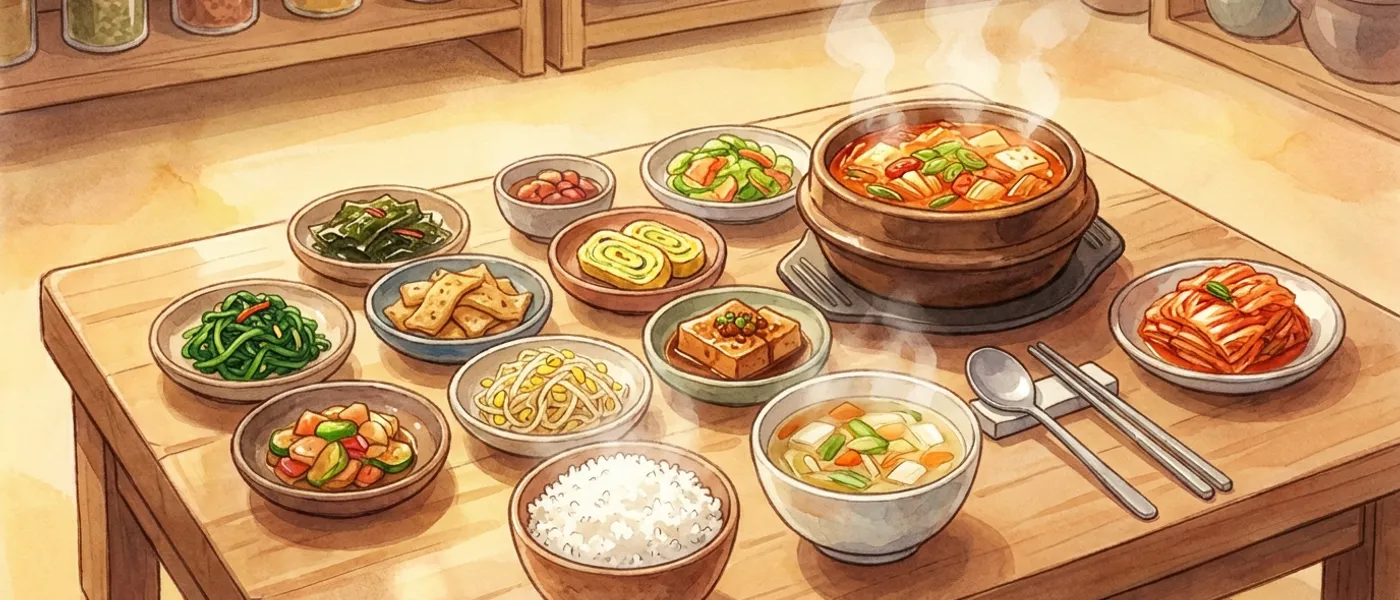
What Is on a Korean Table: Rice, Soup and a Row of Small Dishes
A Korean meal is not one dish. It is rice, a soup or stew, kimchi, and small shared plates, and the whole idea fits in a single glance.
 Traditions
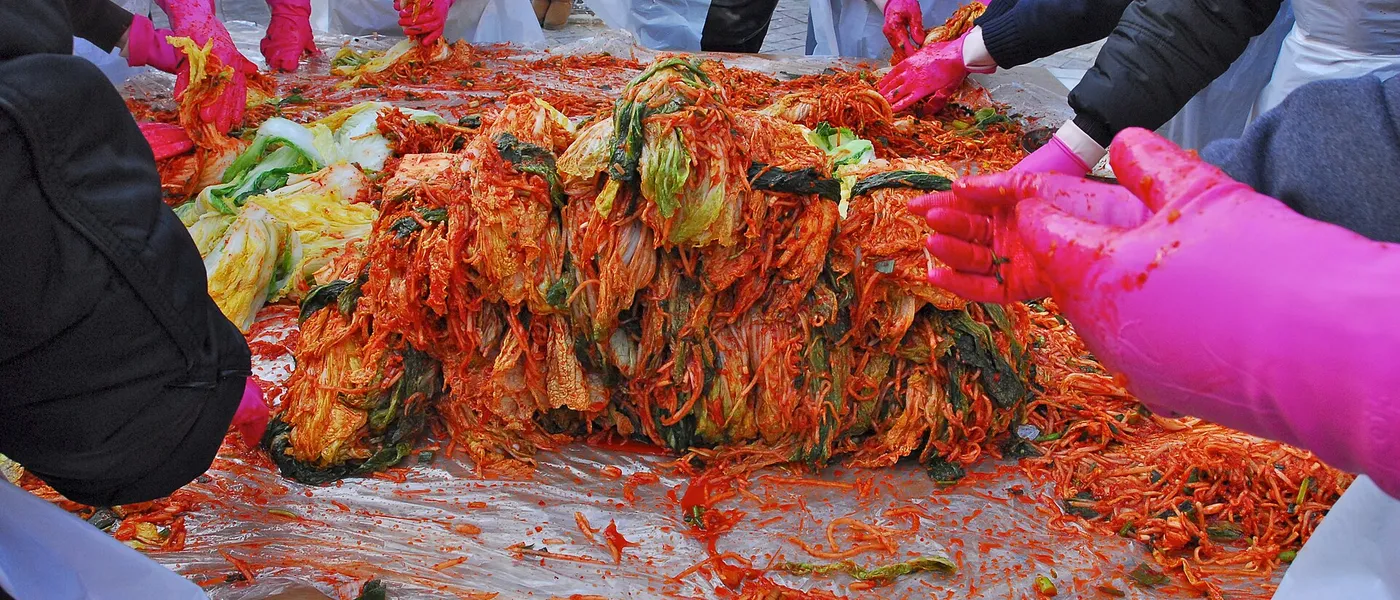
Kimjang: The Season When Everyone Makes Kimchi Together
Every late autumn, Korean families and neighbours make enough kimchi to last the winter. It is also why a jar of sour kimchi ends up in so many stews.