
Recipe · Weekend project · Makes about 30
It's Okay — You Can Make Mandu, Korean Dumplings, at Home
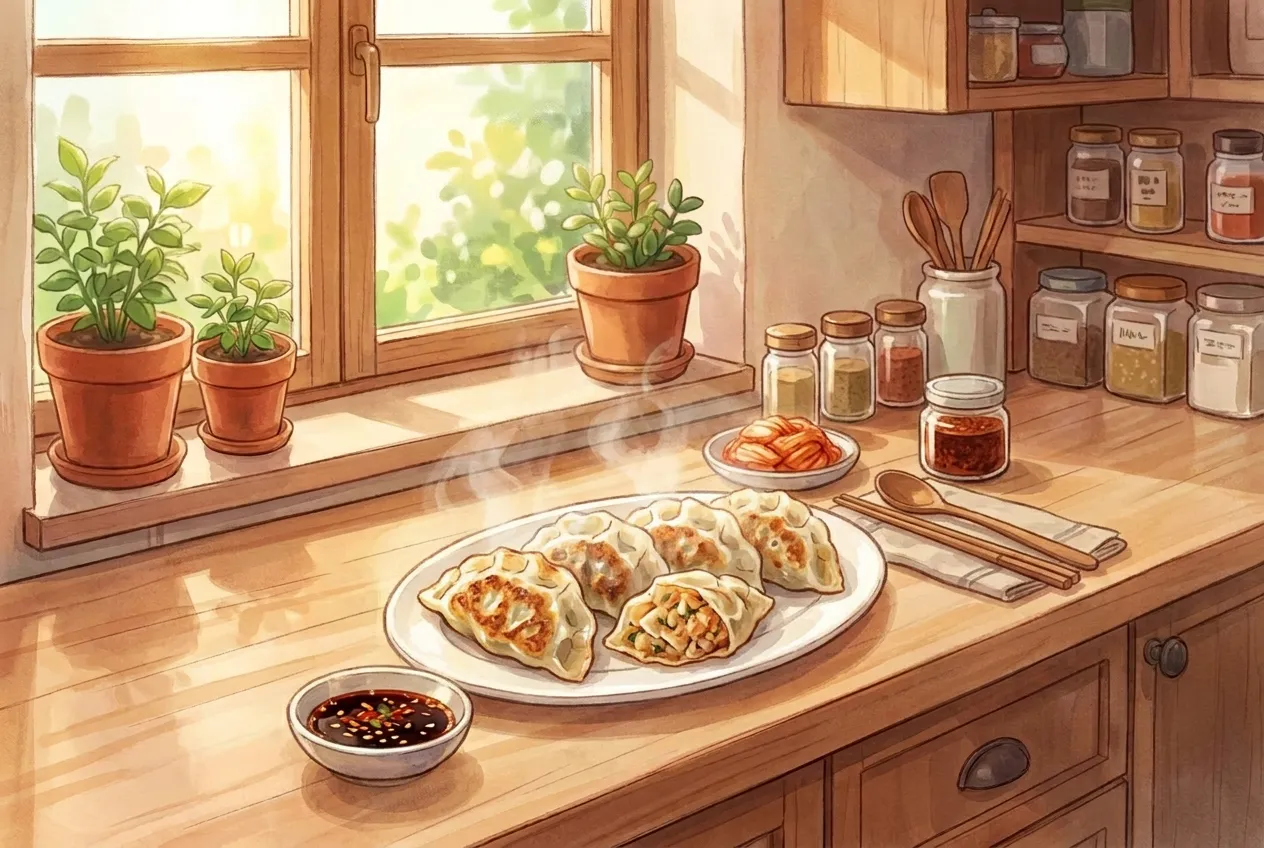
Mandu are Korean dumplings, folded by hand and filled with pork, tofu and kimchi, then pan-fried until crisp or simmered in soup. They take about an hour the first time, and folding is the fun part. If you don't have every ingredient on this list, that's fine — keep reading before you decide to skip it.
Before You Shop: Quick Ingredient Check
- Dumpling wrappersround, from the fridge or freezer section of an Asian store; swaps below
- Kimchi (well-fermented)substitute below
- Ground pork, firm tofu, green onion, garliceasy anywhere
- Dangmyeon (sweet potato starch noodles)optional, substitute below
- Soy sauce, sesame oil, vinegareasy anywhere
Nothing here is a dealbreaker. Let's cook.
Ingredients (makes about 30 dumplings)
- About 30 round dumpling wrappers
- 250g (9 oz) ground pork
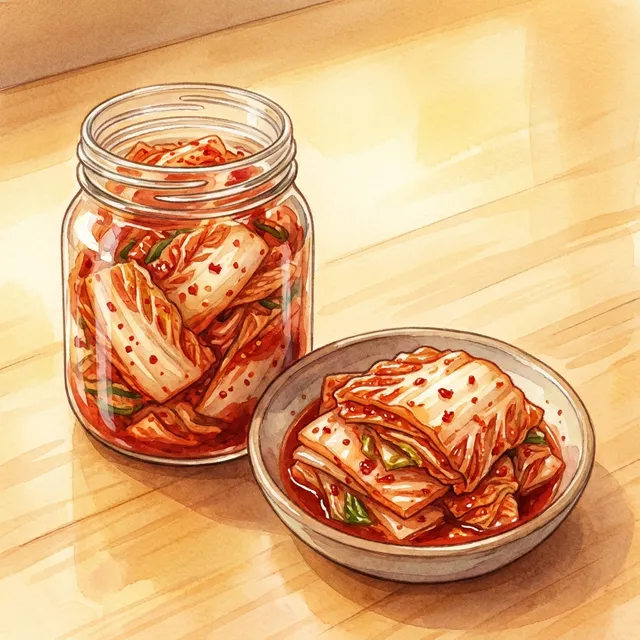 1 cup chopped kimchi, squeezed dry
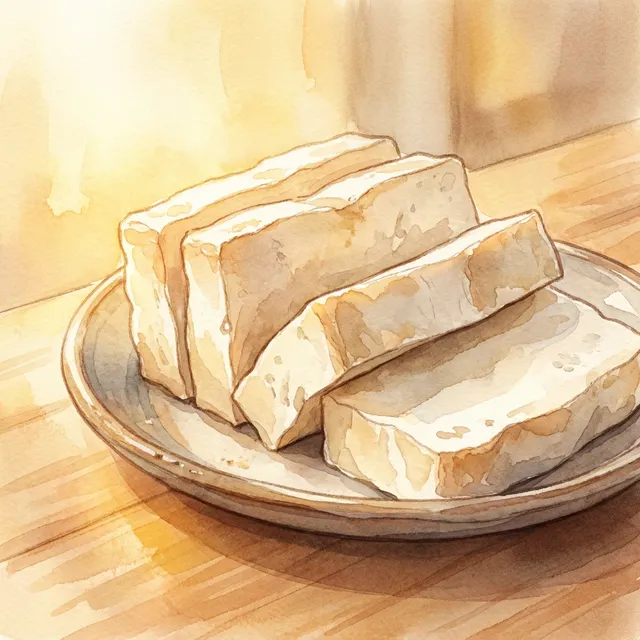 ½ block (about 150g / 5 oz) firm tofu, pressed and crumbled
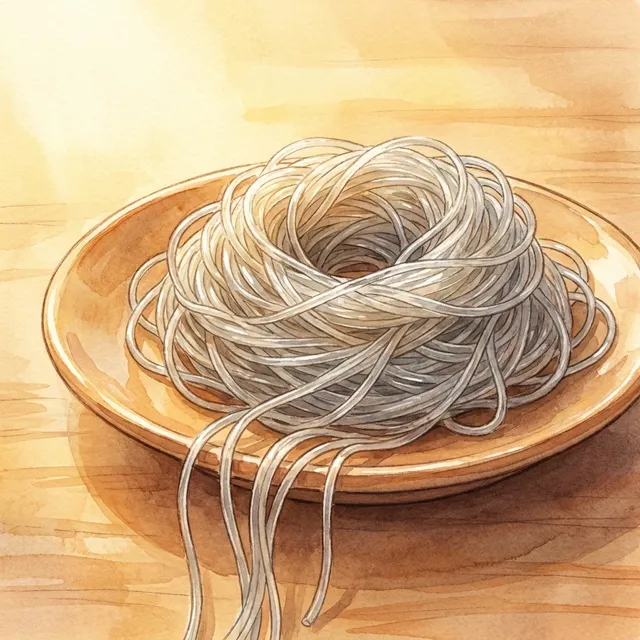 50g (2 oz) dangmyeon (sweet potato starch noodles), cooked and chopped (optional)
 2 green onions, finely chopped
- 2 cloves garlic, minced
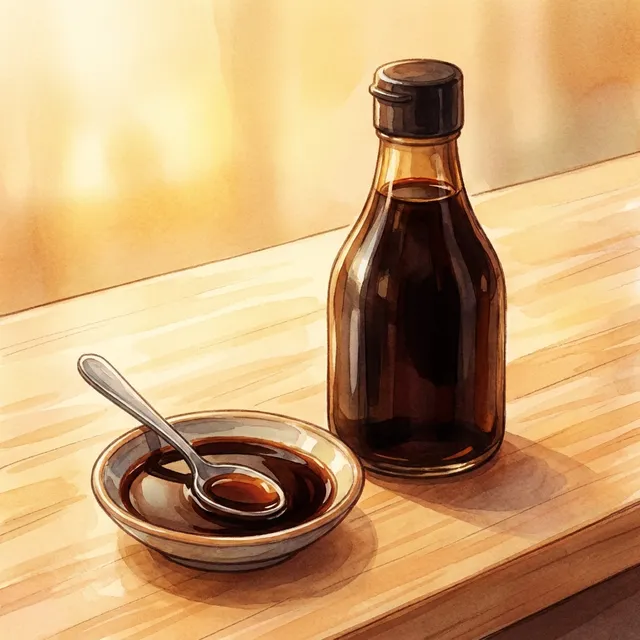 1 tbsp soy sauce
 1 tsp toasted sesame oil
- Salt and pepper, to taste
- 2 tbsp neutral oil, for pan-frying
- A small bowl of water, for sealing the edges
- Dipping sauce: 2 tbsp soy sauce, 1 tbsp rice vinegar, a pinch of chili flakes or sesame seeds (optional)
Steps
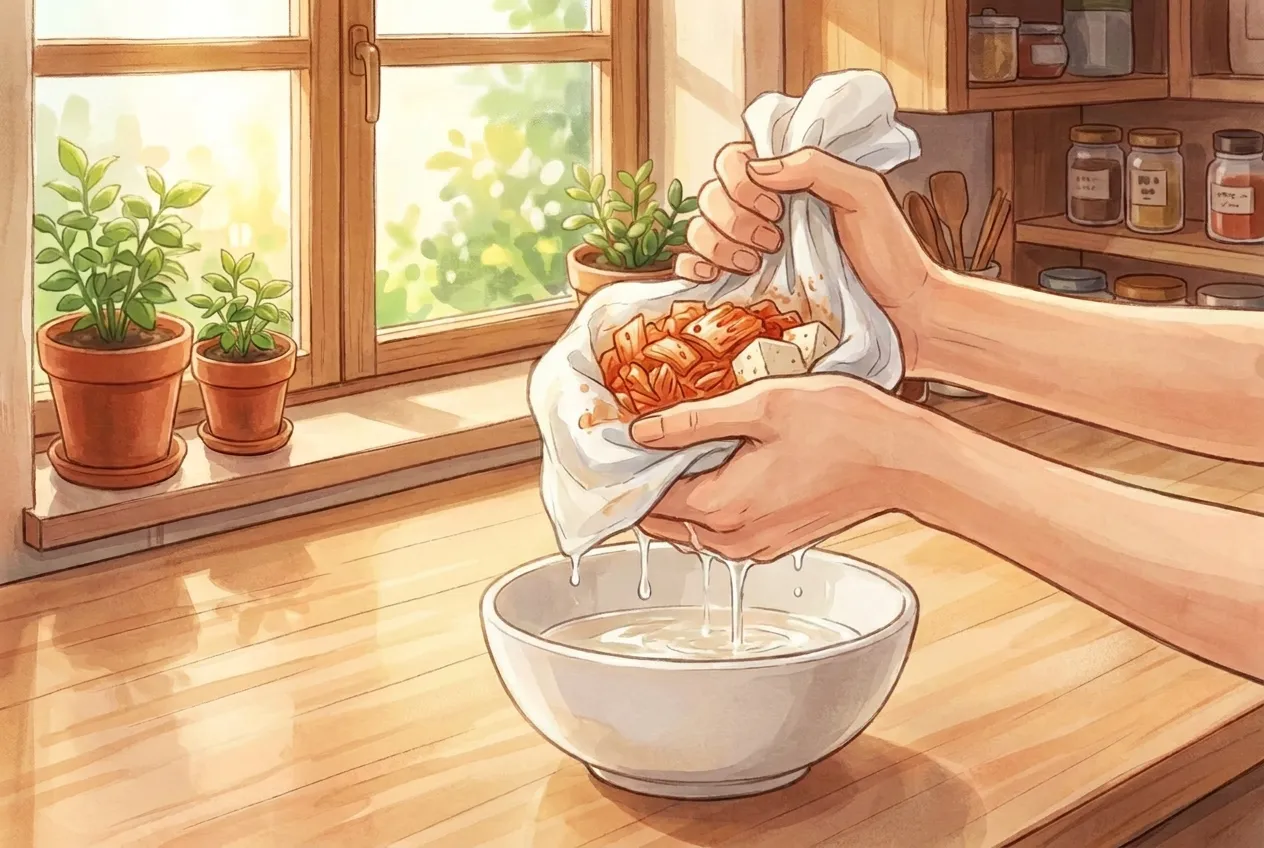
- 1 Squeeze the chopped kimchi in a clean cloth or your hands until it is quite dry, and press the tofu in a cloth to remove the water. A dry filling is what keeps the dumplings from bursting.
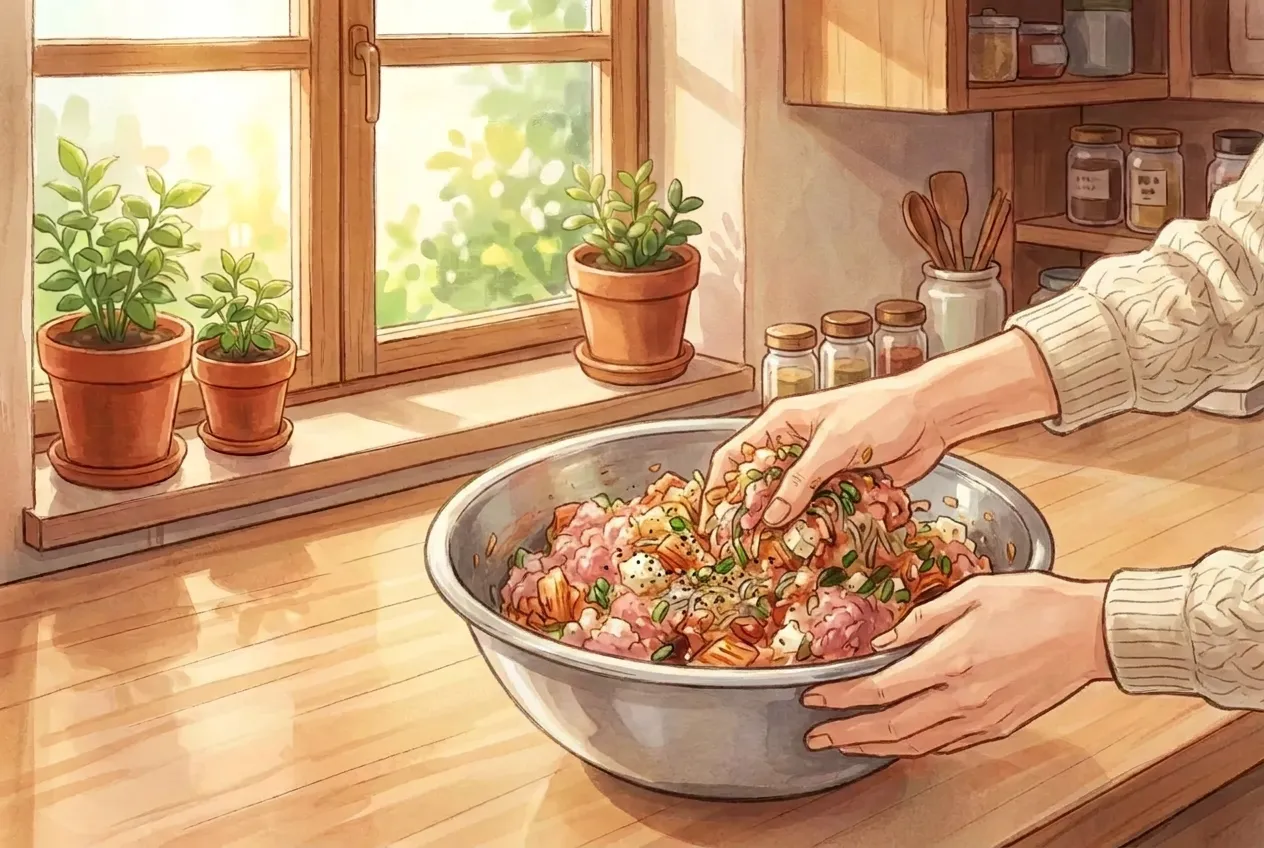
- 2 In a large bowl, mix the pork, kimchi, tofu, noodles if using, green onions, garlic, soy sauce, sesame oil, salt and pepper until it just comes together.
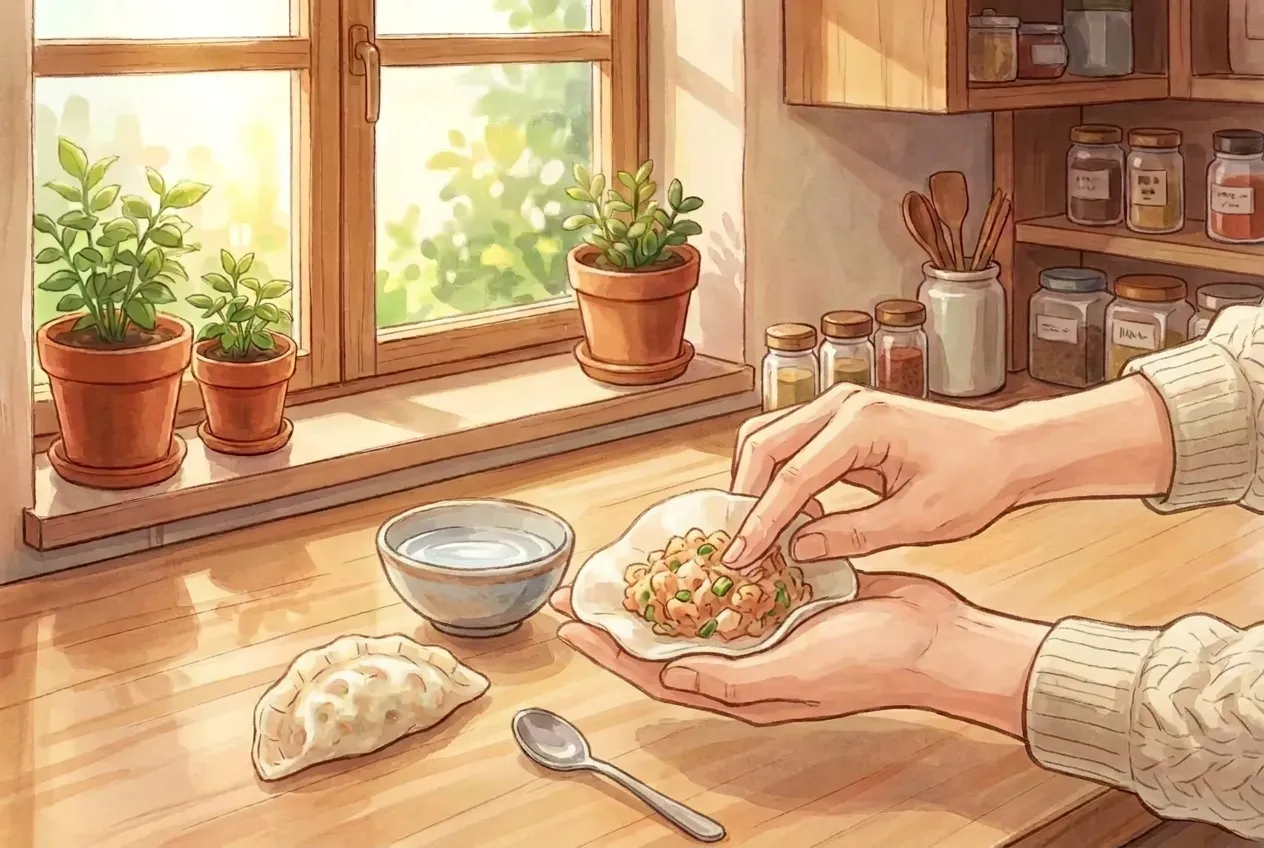
- 3 Put a heaped teaspoon of filling in the middle of a wrapper. Wet the edge with a fingertip of water, fold it over into a half-moon, and press the edge firmly shut, pushing out any air.
- 4 Heat the neutral oil in a non-stick pan over medium heat. Place the dumplings flat side down, without crowding, and cook for 2–3 minutes until the bottoms are golden.
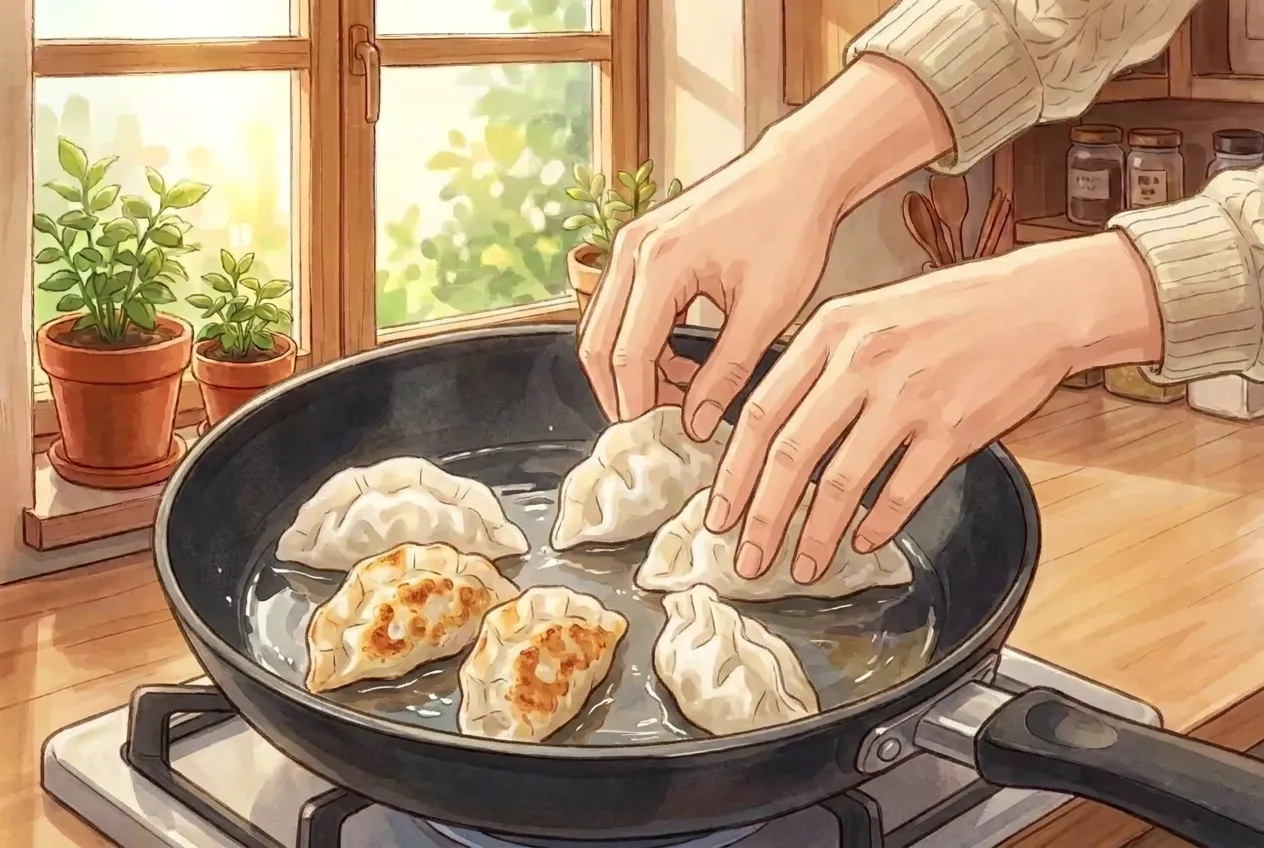
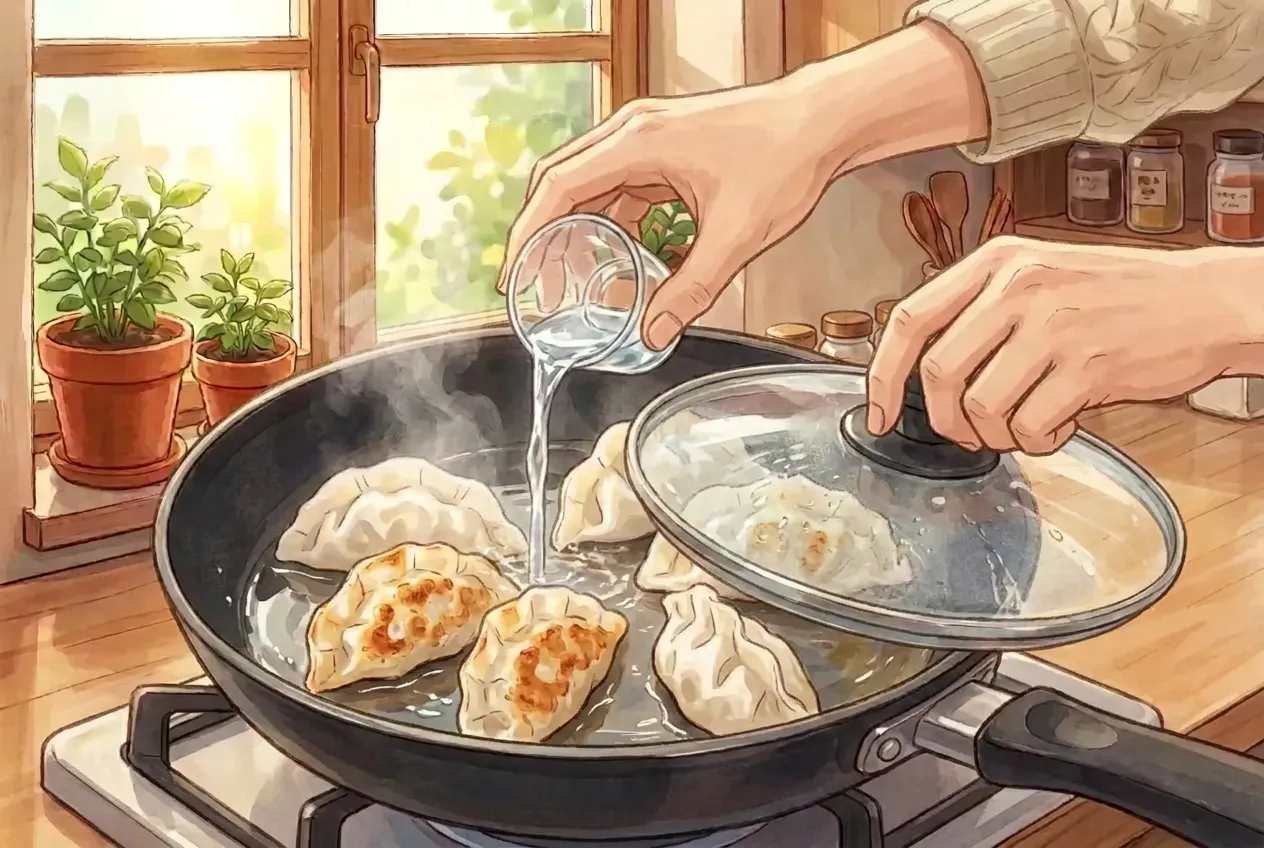
- 5 Pour in about ¼ cup of water, cover with a lid and steam for 5–6 minutes, until the wrappers look slightly translucent and the filling is cooked through.
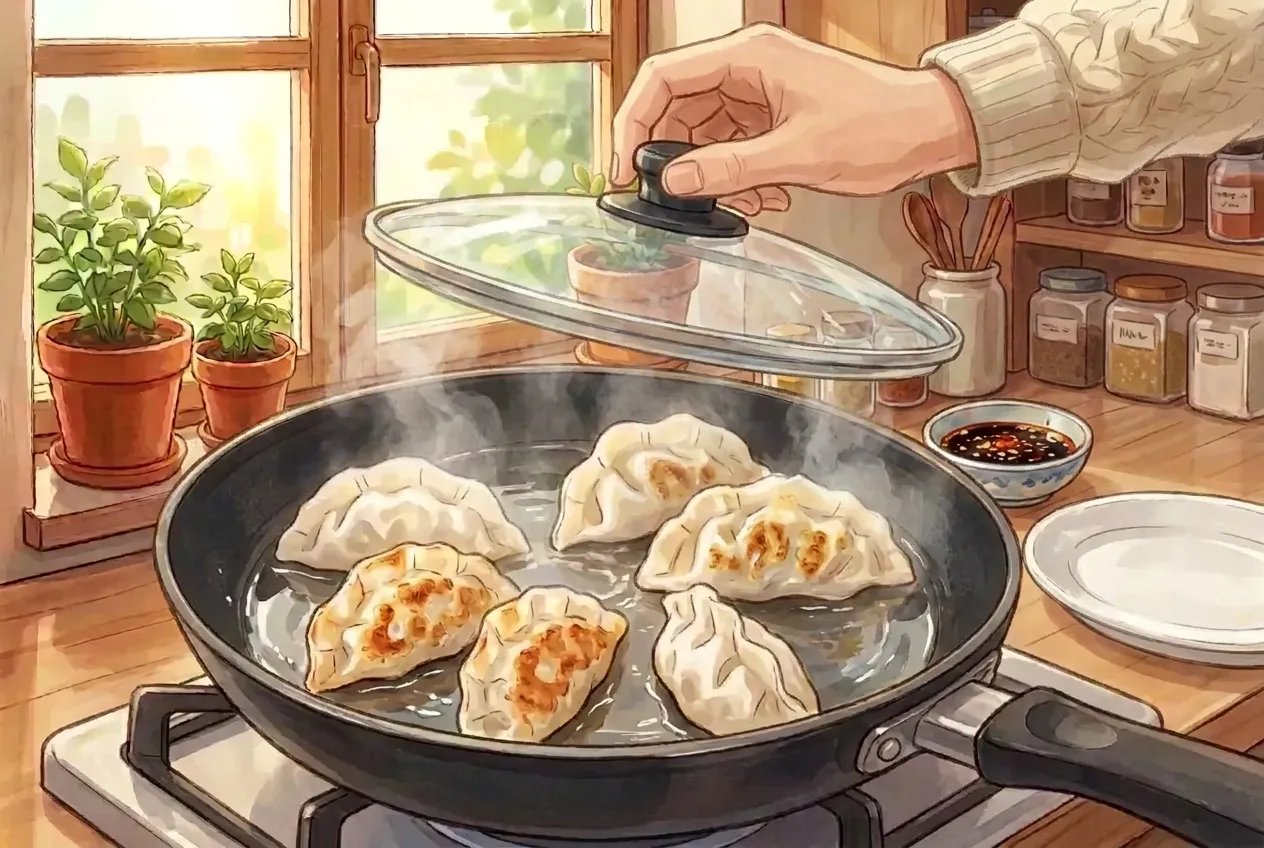
- 6 Take off the lid and cook for another minute or two so the bottoms crisp again. Serve hot with the dipping sauce.
국룰Squeeze the kimchi and the tofu dry — wet filling is the number one reason dumplings tear and turn soggy.
Substitution Guide
About the Wrappers and the Kimchi — Here's What to Do
Two things trip people up: the dumpling wrappers and well-fermented kimchi. Here's the good news: you can make a very good mandu with ordinary store-bought wrappers and any kimchi.
Use this — no need to look further
Any round, thin dumpling wrapper (sold as gyoza, potsticker or mandu wrappers). Use the ones that are labelled for pan-frying or boiling; thick wonton squares also work if you cut them round or fold them into triangles.
If your kimchi isn't very sour
- Use fresh kimchi anyway — the filling will just taste milder and less tangy
- Add a splash of rice vinegar to the filling for a bit more tang
- Skip the kimchi entirely for a plain pork and vegetable mandu — add a handful of chopped chives or cabbage
If you can't find dangmyeon
Leave it out. The filling is just a little denser, and you can add a bit more tofu or some chopped cabbage instead. Cooked rice vermicelli, chopped finely, also works in a pinch.
Why it matters (so you're not just guessing next time)
Mandu are built from three jobs: a savory, moist filling that isn't watery, a wrapper sealed tight enough to hold it, and a cooking method that gives the wrapper crispness and steam. As long as those three jobs get done, you can swap individual ingredients with confidence.
A Couple More Notes
Freezing
Place the folded dumplings in a single layer on a tray, freeze until firm, then move them to a bag. Cook them from frozen, adding an extra minute or two to the steaming time.
Other Ways to Cook Them
Besides pan-frying, mandu are often boiled in a clear broth for mandu-guk (dumpling soup) or steamed. Cook them until the wrappers look translucent and the filling is cooked through.
Want to Go Further?
This dish uses mostly everyday ingredients. Once you're ready to stock two or three Korean pantry staples, a much wider range of Korean dishes opens up with very little extra effort.
Getting Started with Korean Cooking: The 3 Sauces You Need →Watch It Made
These cooks speak Korean. Press CC in the player, then the gear icon → Subtitles → Auto-translate to read along in your language.
You Might Also Like
Cooks' versions
Made it your way? Show us.
Swapped an ingredient, changed the heat, plated it differently? Add a photo and a few words — we'll turn it into a pretty card right here on the Mandu page, so the next cook can follow your lead.
Spotted a mistake, or have an idea?
Tell us what to fix or improve in this recipe. This is not a public comment — it goes straight to the K-food team.
Made this with a different swap that worked well? Let us know in the comments — it helps the next person who gets stuck on this step.