
Recipe · Spicy noodle soup · Serves 2
It's Okay — You Can Make Jjamppong, Korean-Chinese Spicy Seafood Noodle Soup, at Home
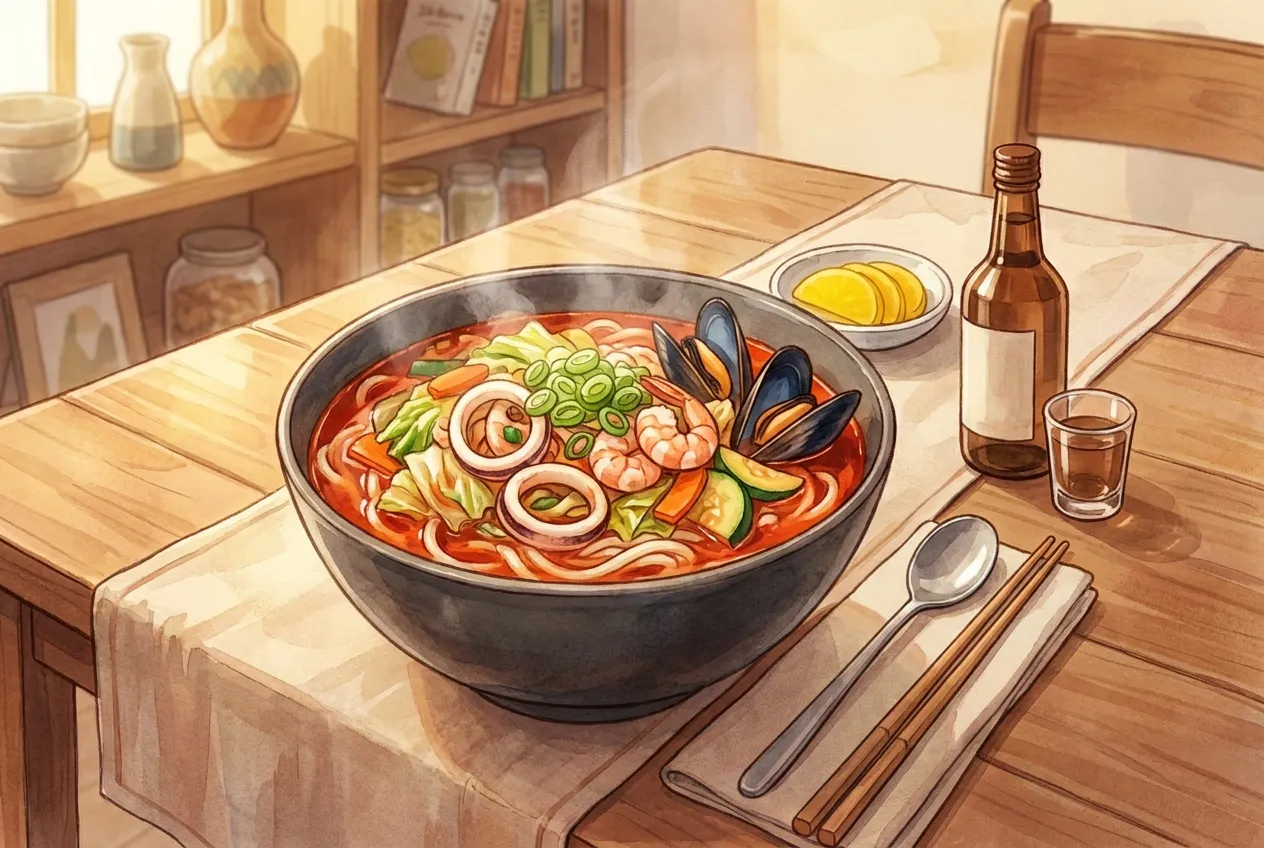
Jjamppong is a fiery red noodle soup from Korean-Chinese restaurants, loaded with squid, shrimp, mussels and vegetables in a smoky chili broth. The secret is a quick chili oil made at the start, which gives the soup its color and depth. You can make a restaurant-style bowl at home in about 35 minutes. If you don't have every ingredient on this list, that's fine — keep reading before you decide to skip it.
Before You Shop: Quick Ingredient Check
- Gochugaru (Korean chili flakes)substitute below
- Fresh Chinese-style noodlessubstitute below
- Mixed seafood (squid, shrimp, mussels)substitute below
- Pork, onion, cabbage, zucchini, carrot, garlic, ginger, green onioneasy anywhere
Nothing here is a dealbreaker. Let's cook.
Ingredients (serves 2)
- 1 small squid (about 150g / 5 oz), cleaned and cut into rings
- 6 medium shrimp, peeled and deveined
- 200g (7 oz) mussels or clams, scrubbed
- 100g (3½ oz) pork shoulder or belly, thinly sliced
- ½ onion, sliced
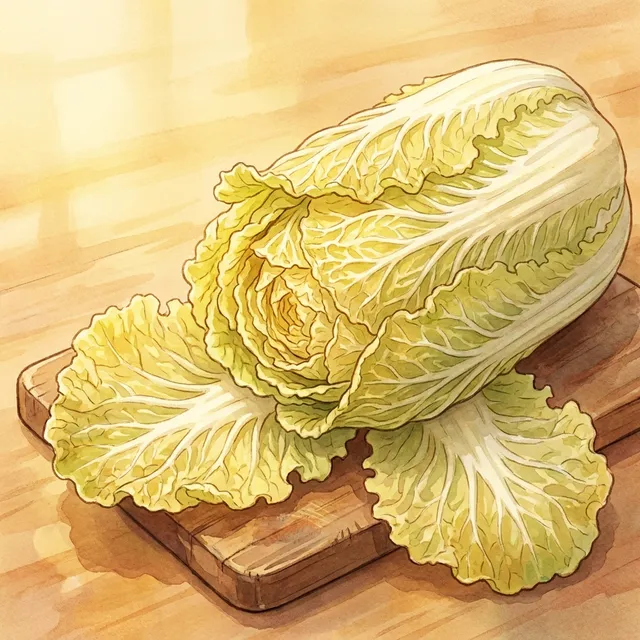 100g (3½ oz) napa cabbage or green cabbage, cut into bite-size pieces
- ⅓ zucchini, cut into half-moons
- ¼ carrot, thinly sliced
- 3 tbsp neutral oil
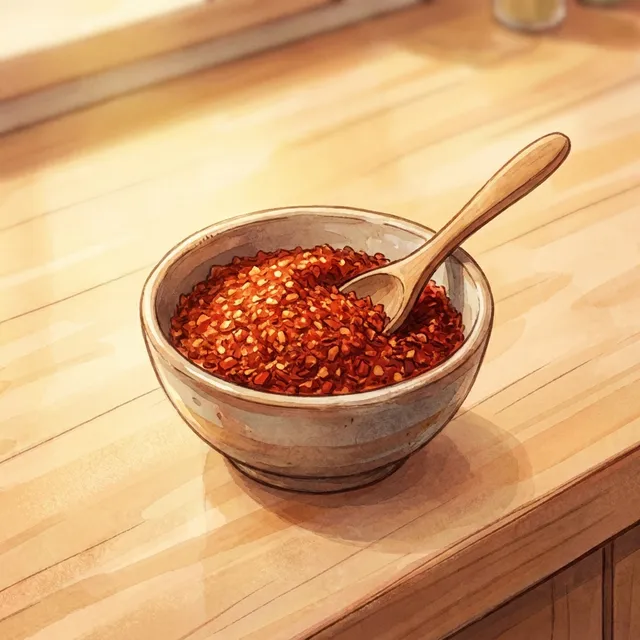 3 tbsp gochugaru (Korean chili flakes)
- 1 tbsp minced garlic
- 1 tsp minced ginger
 2 green onions, sliced, white and green parts separated
 1 tbsp soy sauce
- 5 cups (1.2 liters) chicken broth or water
- 1 tsp salt, plus more to taste
- 1 tbsp oyster sauce
- 300g (10 oz) fresh Chinese-style noodles
Steps
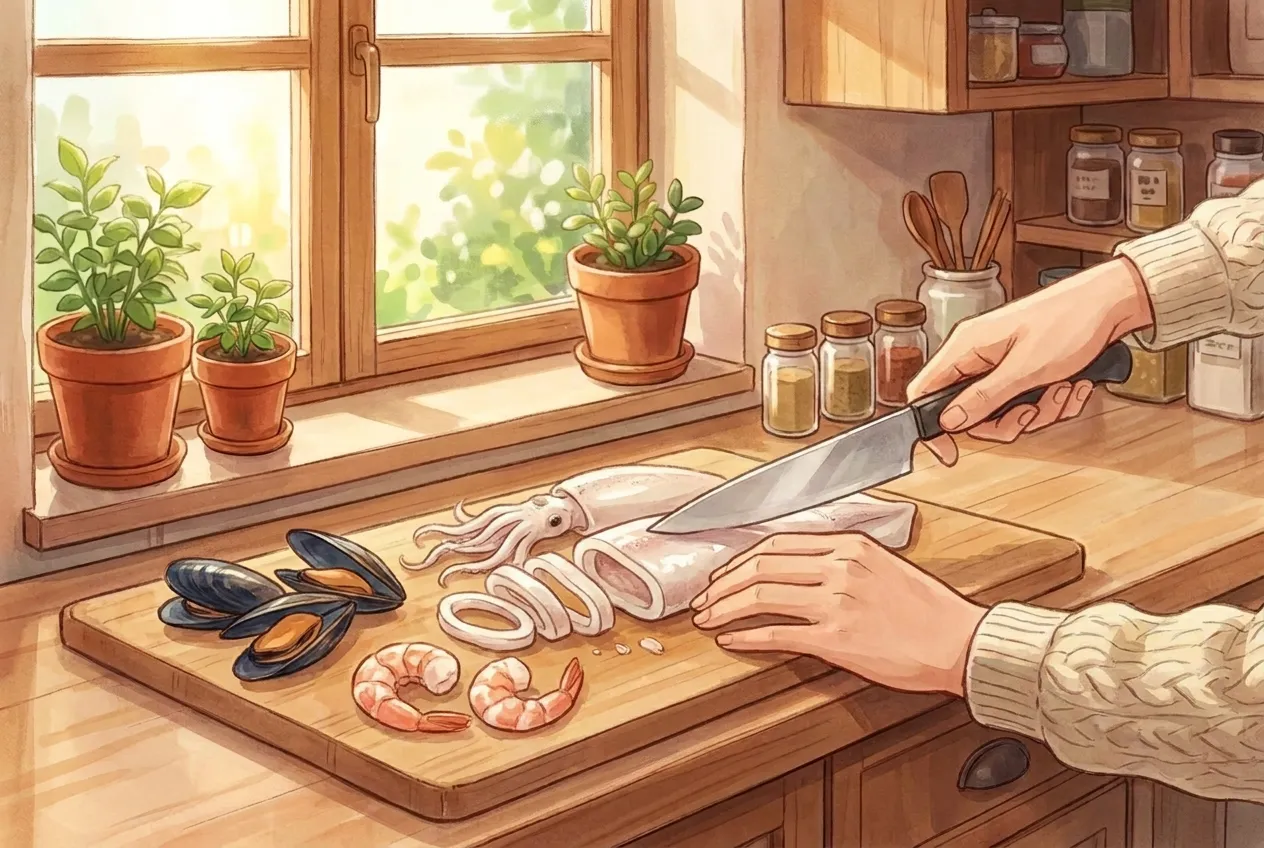
- 1 Clean and prepare the seafood. Cut the squid into rings, peel and devein the shrimp, and scrub the mussels, discarding any that are open and don't close when tapped.
- 2 Slice the pork, onion, cabbage, zucchini and carrot into bite-size pieces.
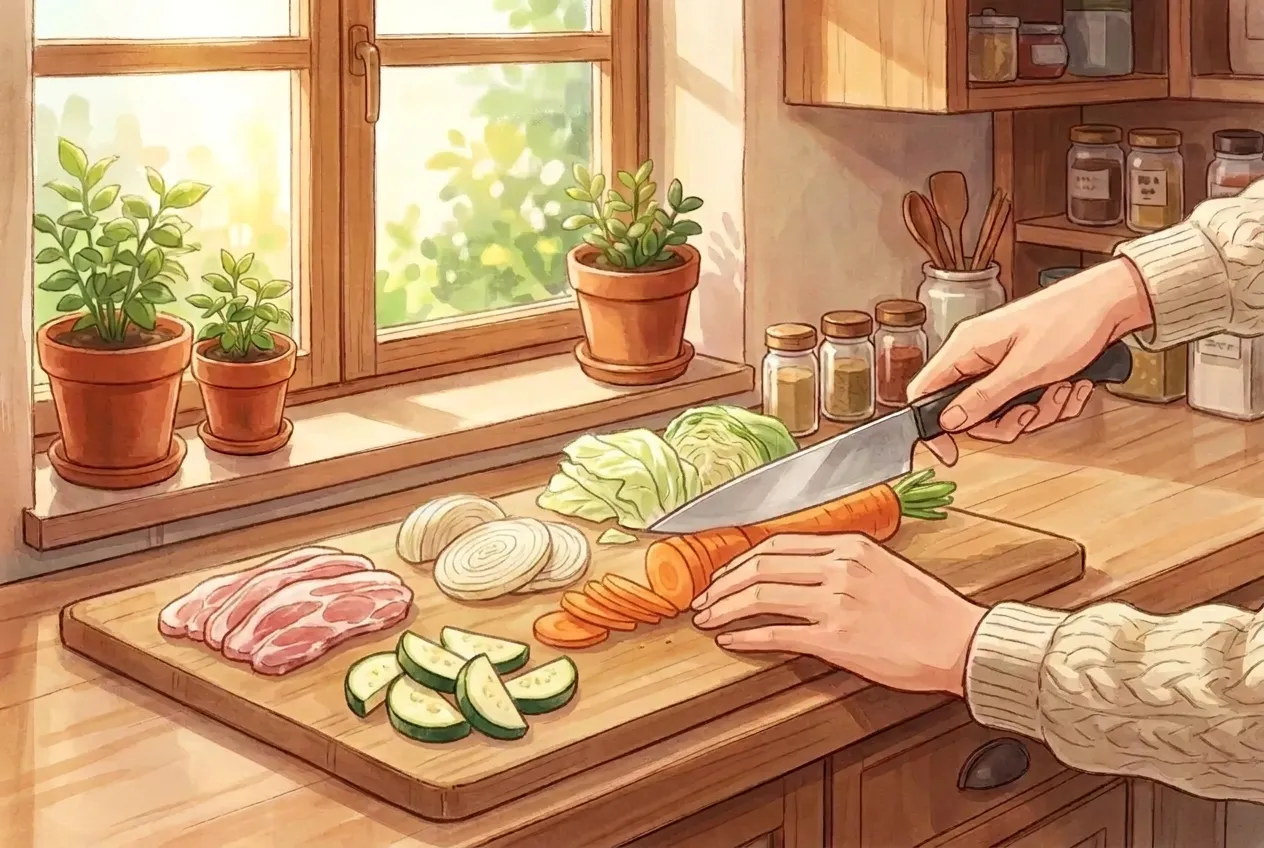
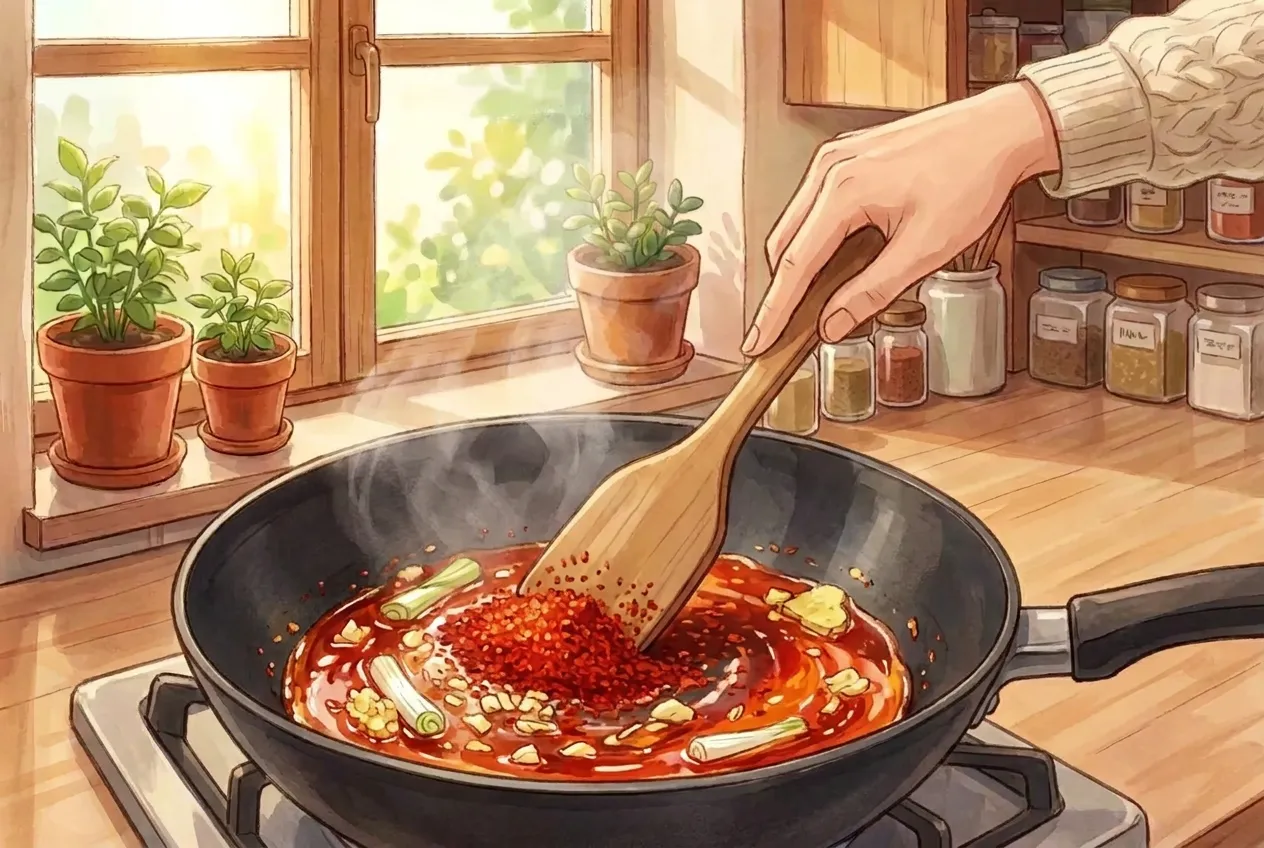
- 3 Heat the oil in a wok or deep pot over low heat. Add the garlic, ginger and green onion whites and cook for 1 minute. Stir in the gochugaru for 20–30 seconds, until the oil turns red. Don't let it burn.
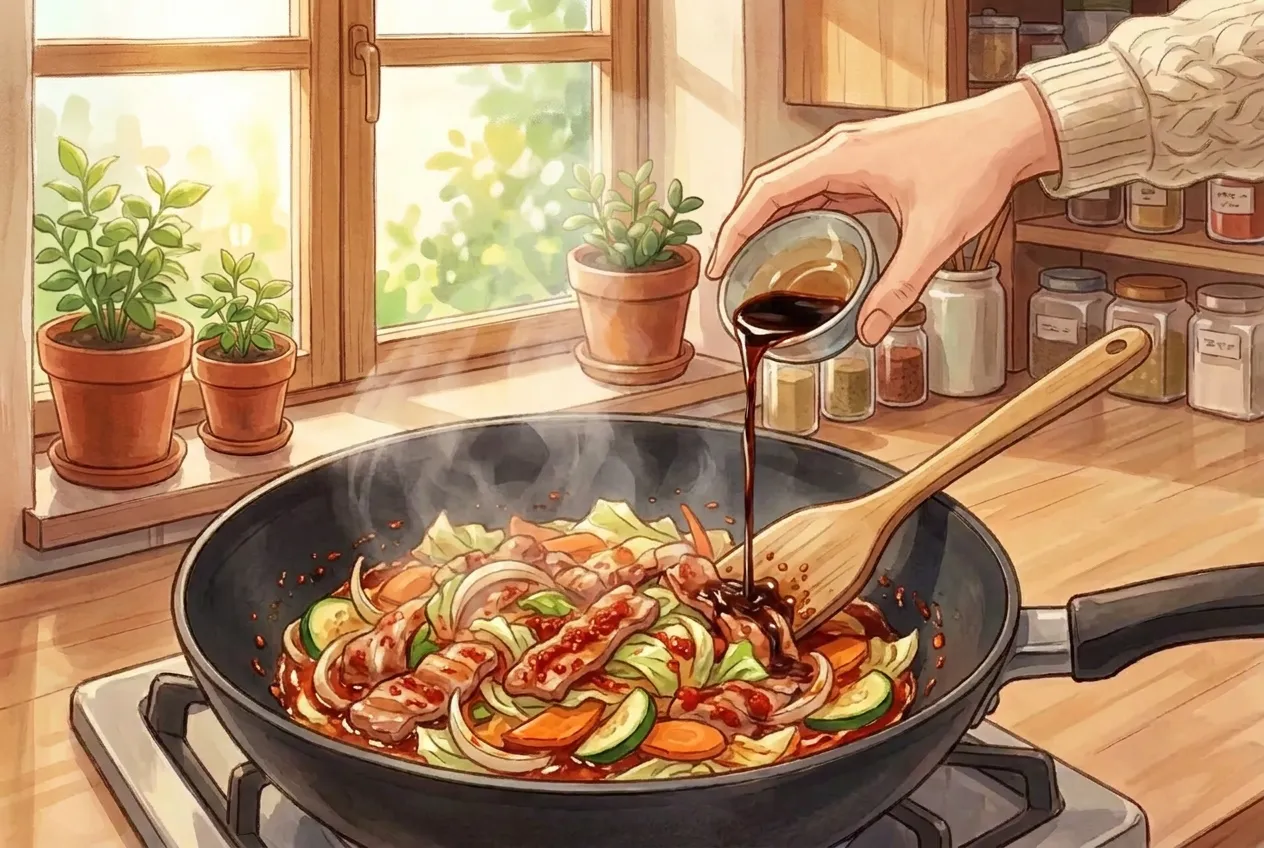
- 4 Turn the heat to high. Add the pork and stir-fry for 1 minute, then add the vegetables and fry 1–2 minutes. Drizzle the soy sauce around the edge of the wok so it sizzles.
- 5 Pour in the broth, then add the salt and oyster sauce. Bring to a boil and cook for 5 minutes.
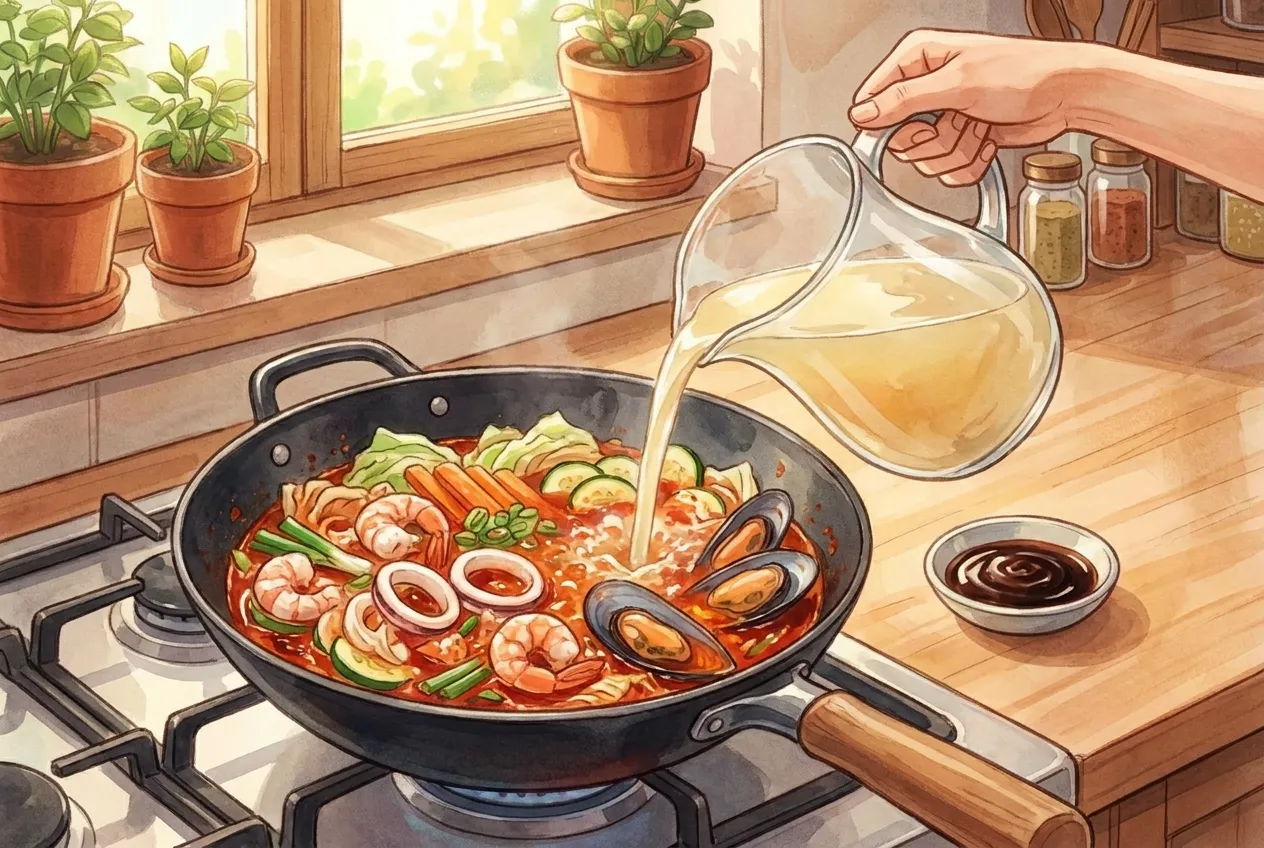
- 6 Add the squid, shrimp and mussels and cook for 3–4 minutes, until the shrimp turn pink and the mussels open. Taste and add salt if needed.
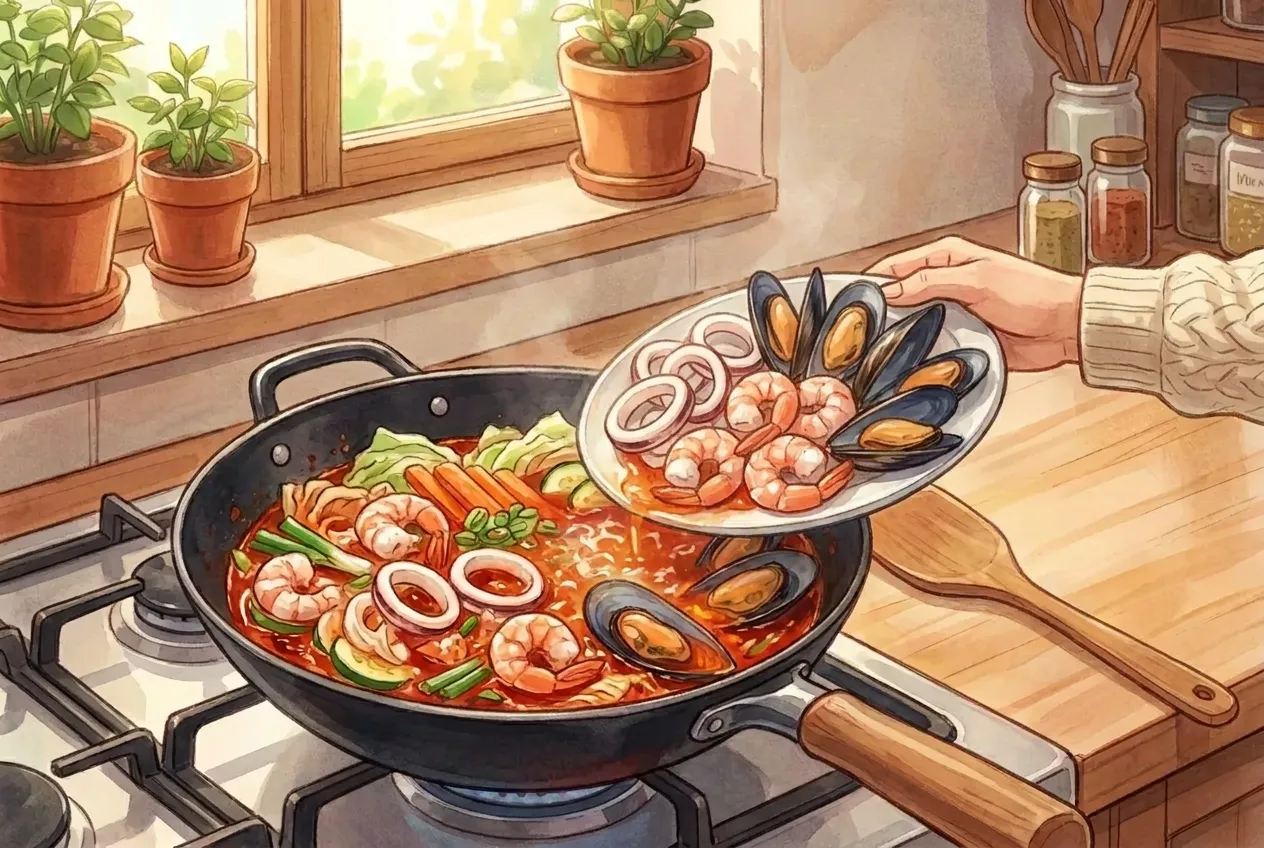
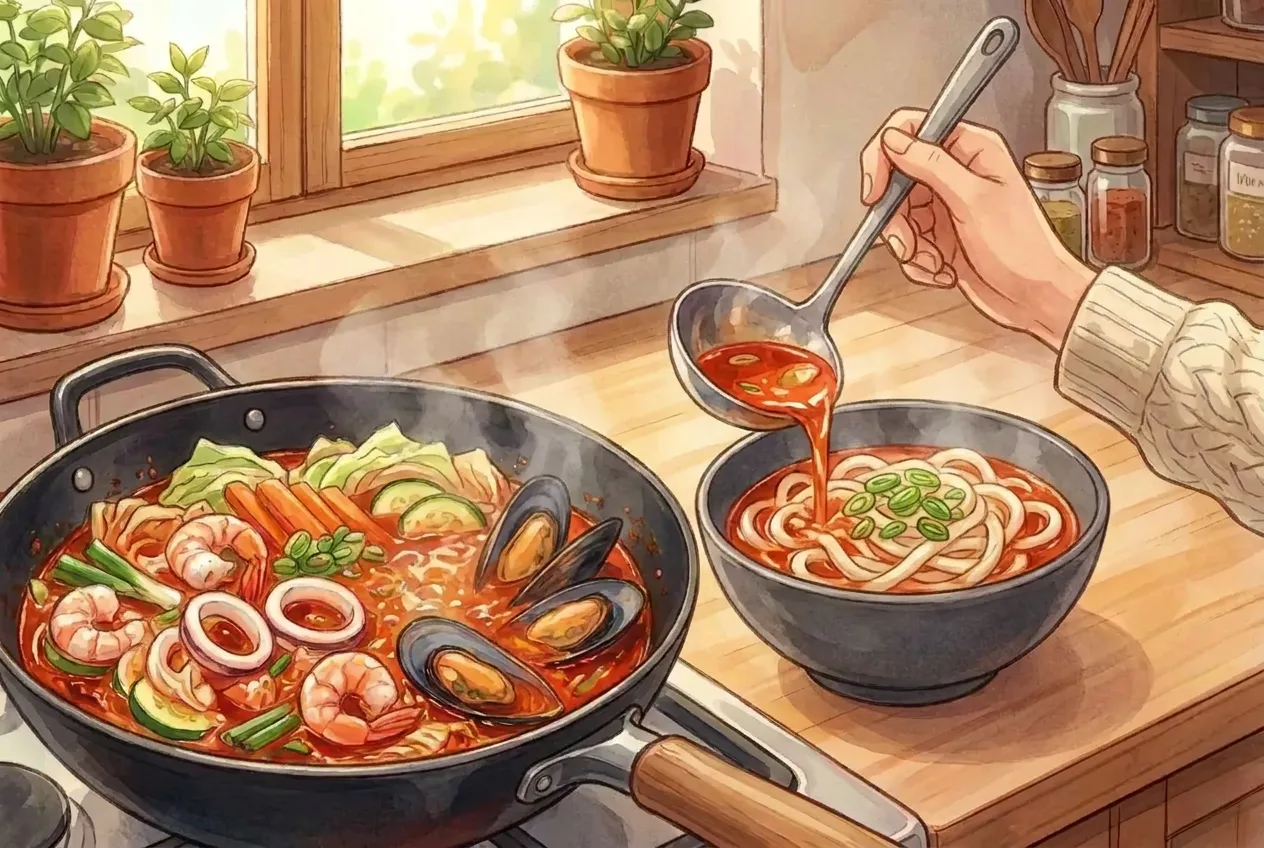
- 7 While the soup cooks, boil the noodles in a separate pot for 3–4 minutes, then drain. Divide between two bowls and ladle the soup and seafood over. Top with the green onion greens and serve at once.
국룰Make the chili oil first and keep the heat low when the gochugaru goes in. It gives the soup its smoky red flavor, and scorched flakes turn bitter, so 20 to 30 seconds is plenty.
Substitution Guide
About the Chili, the Noodles and the Seafood — Here's What to Do
Three things might trip you up: gochugaru, fresh noodles and the mixed seafood. Here's the good news: the soup's flavor comes from the chili oil, garlic and broth, so each swap below holds up.
Use this — no need to look further
Gochugaru and fresh noodles from an Asian grocery store, plus a bag of frozen mixed seafood from the freezer section, if fresh isn't convenient. Choose coarse gochugaru for soups.
If you can't find the usual ingredients
- Frozen mixed seafood in place of fresh: thaw it first and pat dry, and use about 450g (1 lb) in total
- Shrimp and clams only, or just shrimp, if squid or mussels are hard to find
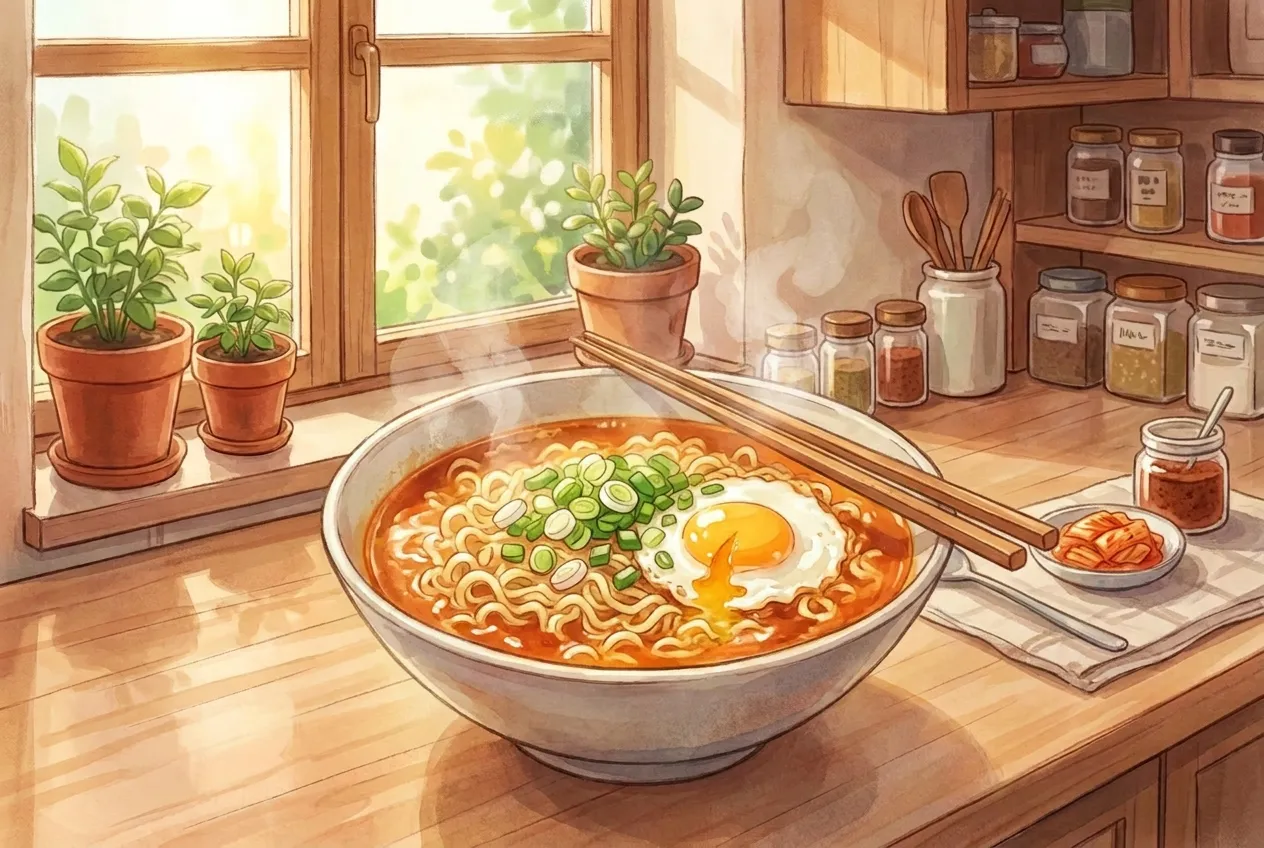
- Udon or instant ramen noodles (discard the seasoning packet) in place of fresh Chinese noodles
- Mild paprika plus a pinch of cayenne in place of gochugaru: use the same amount and adjust the heat to taste
If it's too spicy
Start with 2 tbsp gochugaru instead of 3, or add a bit of extra broth at the end. You can always add chili flakes at the table.
Why it matters (so you're not just guessing next time)
Jjamppong is built from three jobs: a chili oil that gives color and smoky depth, quick high-heat frying that adds the wok flavor, and seafood added at the end so it stays tender. As long as those three jobs get done, you can swap individual ingredients with confidence.
A Couple More Notes
Don't Overcook the Seafood
Squid turns rubbery when cooked too long. Add it with the shrimp and mussels and take the pot off the heat as soon as the shrimp are pink and the shells have opened.
Noodles Go in Last
Boil noodles separately and add them to the bowls just before serving. Left sitting in the hot soup, they soak it up and turn soft.
Want to Go Further?
Once you're ready to stock two or three Korean pantry staples, a much wider range of Korean dishes opens up with very little extra effort.
Getting Started with Korean Cooking: The 3 Sauces You Need →Watch It Made
These cooks speak Korean. Press CC in the player, then the gear icon → Subtitles → Auto-translate to read along in your language.
Cooks' versions
Made it your way? Show us.
Swapped an ingredient, changed the heat, plated it differently? Add a photo and a few words — we'll turn it into a pretty card right here on the Jjamppong page, so the next cook can follow your lead.
Spotted a mistake, or have an idea?
Tell us what to fix or improve in this recipe. This is not a public comment — it goes straight to the K-food team.
Made this with a different swap that worked well? Let us know in the comments — it helps the next person who gets stuck on this step.