
Recipe · Comforting soup · Serves 3–4
It's Okay — You Can Make Soegogi-muguk, Korean Beef and Radish Soup, at Home
Soegogi-muguk is the gentle, clear soup of beef and Korean radish that Korean mothers make on ordinary weeknights. The radish turns sweet and tender while the beef flavors the broth, and the whole pot takes about 40 minutes. If you don't have every ingredient on this list, that's fine — keep reading before you decide to skip it.
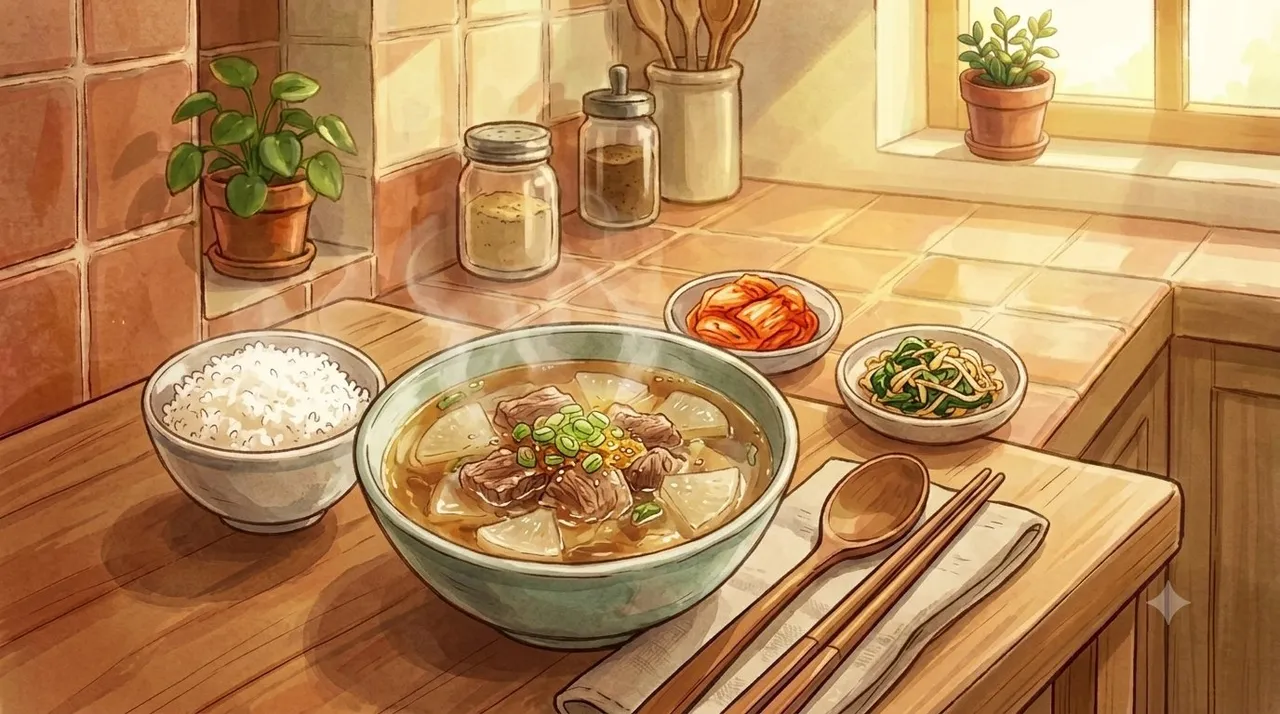
Before You Shop: Quick Ingredient Check
- Korean radish (mu) or daikonsubstitute below
- Soup soy sauce (guk-ganjang)substitute below
- Beef brisket or stew beefeasy anywhere
- Garlic, green onion, sesame oil, salt, peppereasy anywhere
- Steamed riceeasy anywhere
Nothing here is a dealbreaker. Let's cook.
Ingredients (serves 3–4)
- 250g (about ½ lb) beef brisket or stew beef, cut into thin bite-size pieces
 400g (about 14 oz) Korean radish (mu) (or daikon)
 1 tbsp toasted sesame oil
- About 1.2 liters (5 cups) water
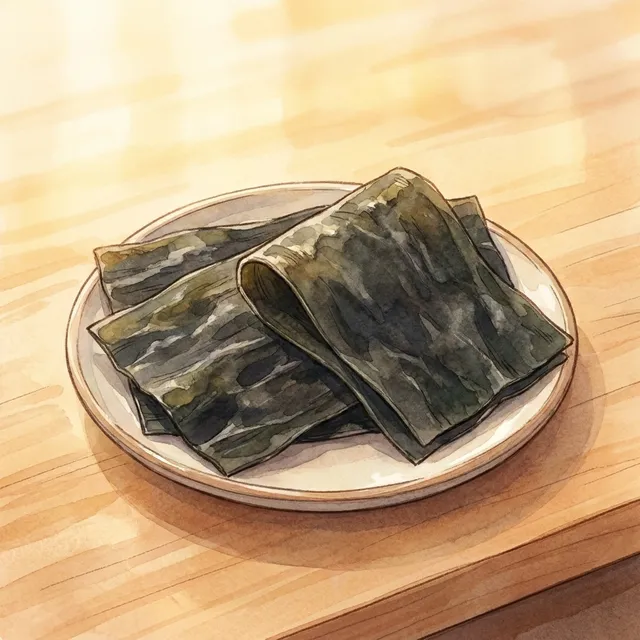 1 piece dried kelp, about 10 cm (optional)
- 3 cloves garlic, minced
 2 tbsp soup soy sauce (guk-ganjang) (or see swaps below)
 1 green onion, sliced
- Salt and black pepper, to taste
- Steamed rice, to serve
Steps
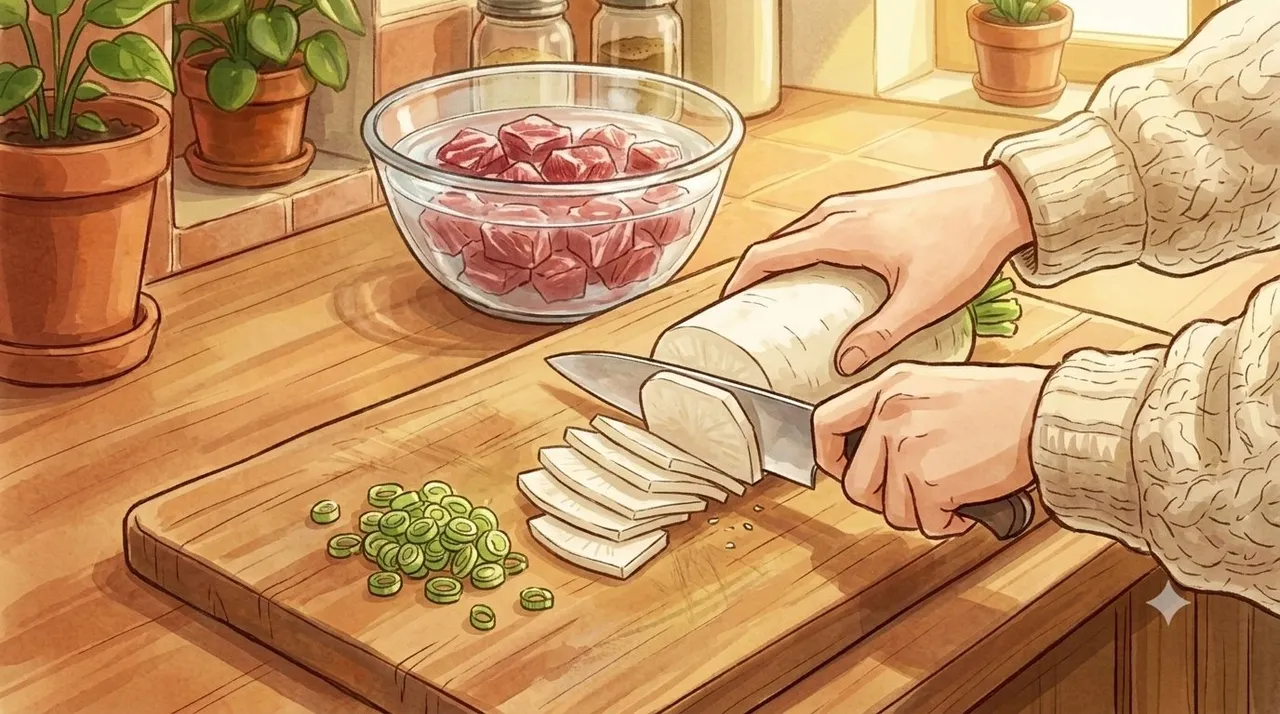
- 1 Soak the beef in cold water for 15 minutes, then pat dry. Cut the radish into thin squares about 3 cm wide and 5 mm thick, and slice the green onion.
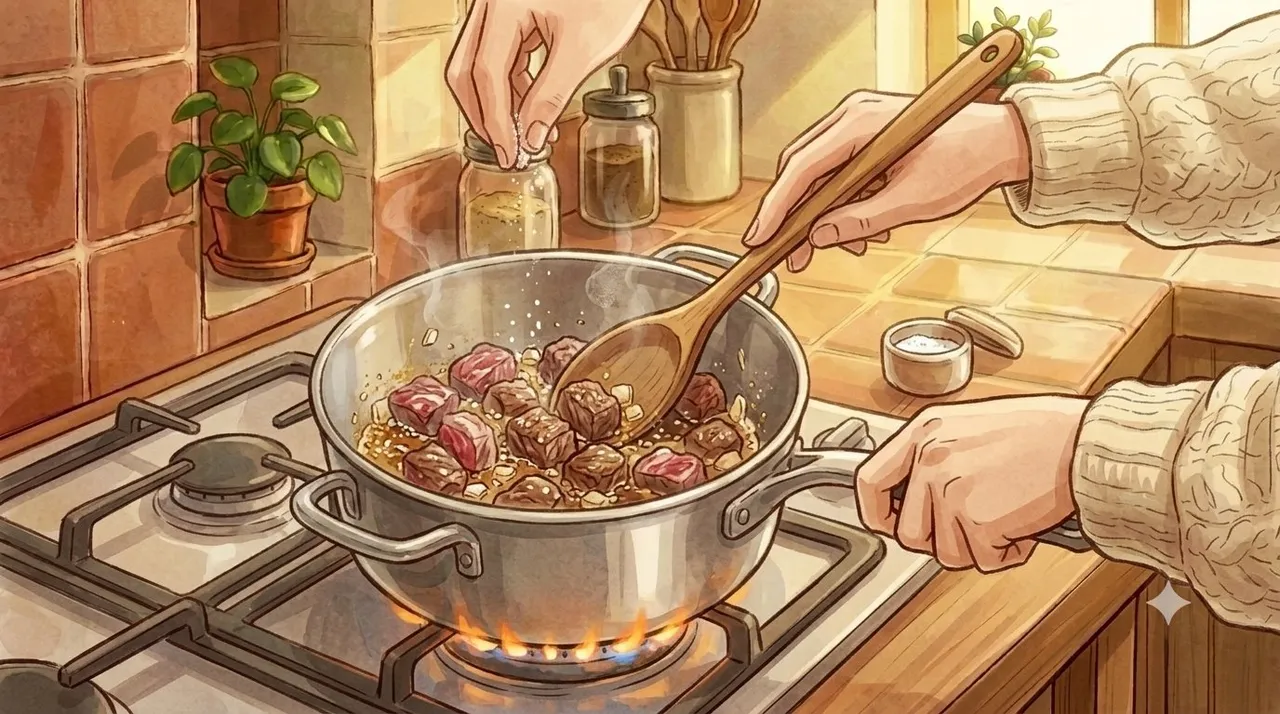
- 2 Heat the sesame oil in a medium pot over medium heat. Add the beef and a pinch of salt and stir until it is no longer pink, 3–4 minutes.
- 3 Add the radish and stir for 2 minutes, so the pieces turn slightly glossy and smell sweet.
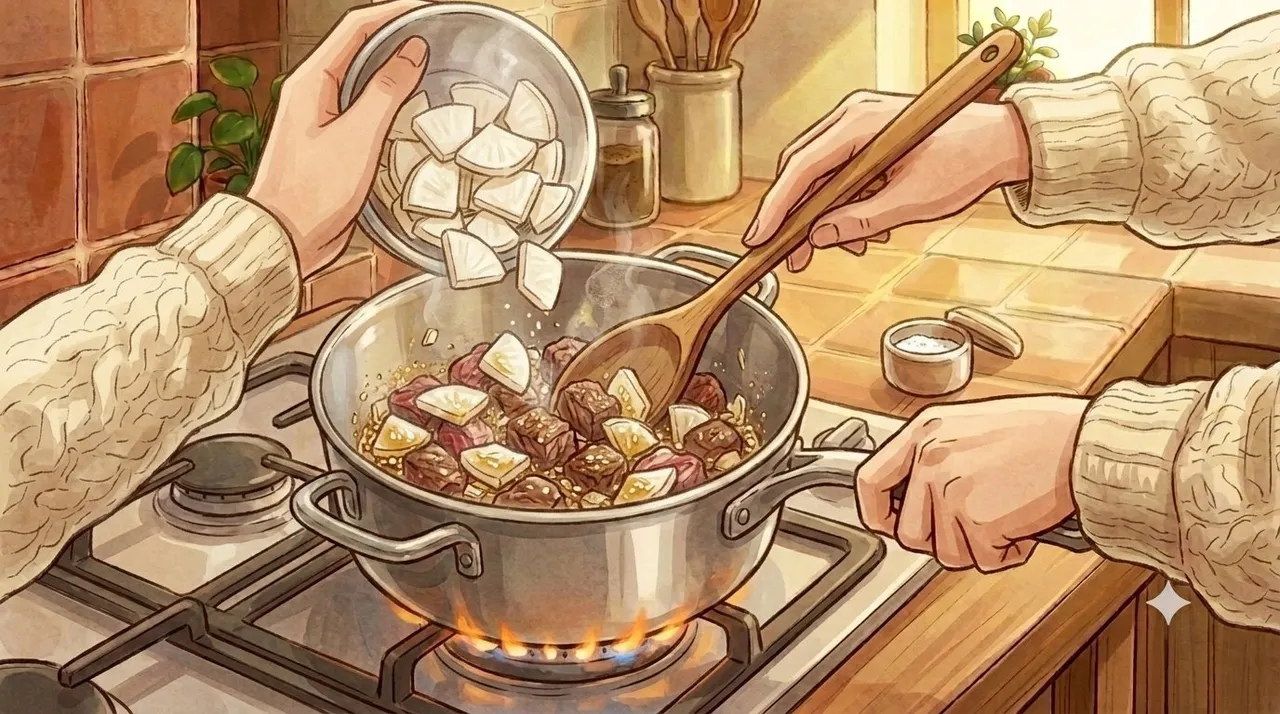
- 4 Pour in 1.2 liters of water, add the kelp if using, and bring to a boil over high heat. Skim off the foam that rises and remove the kelp.
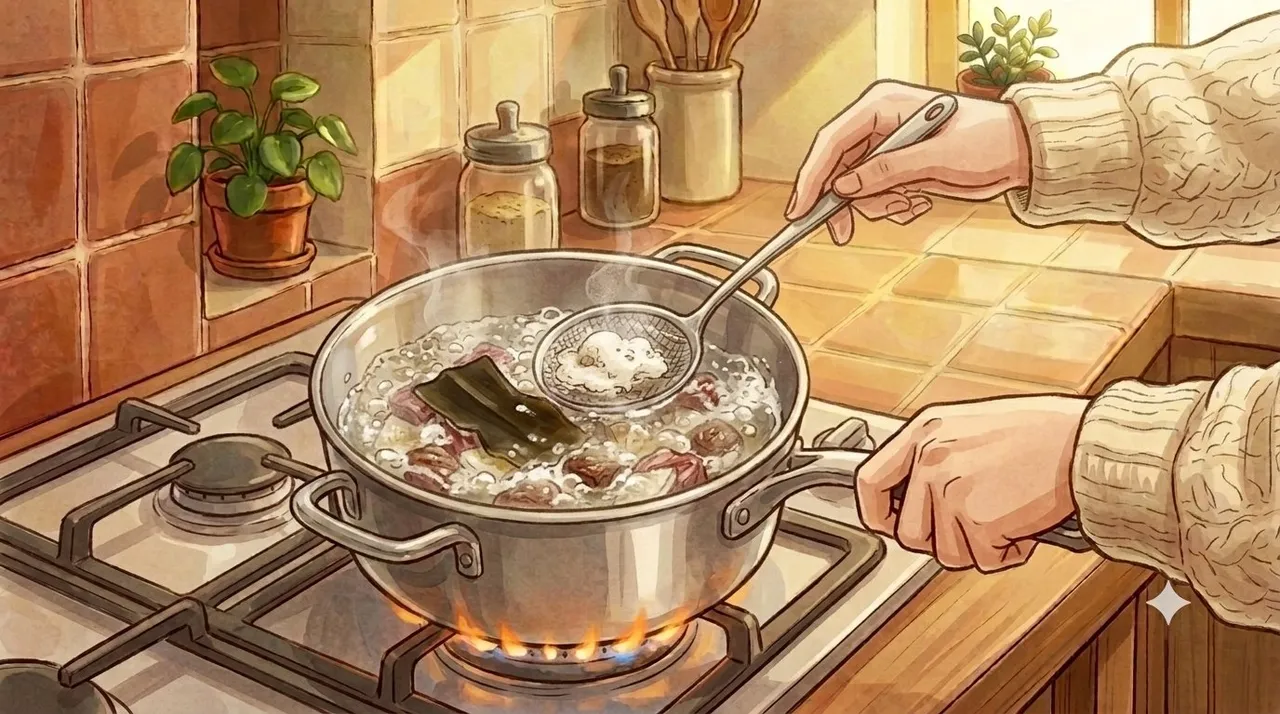
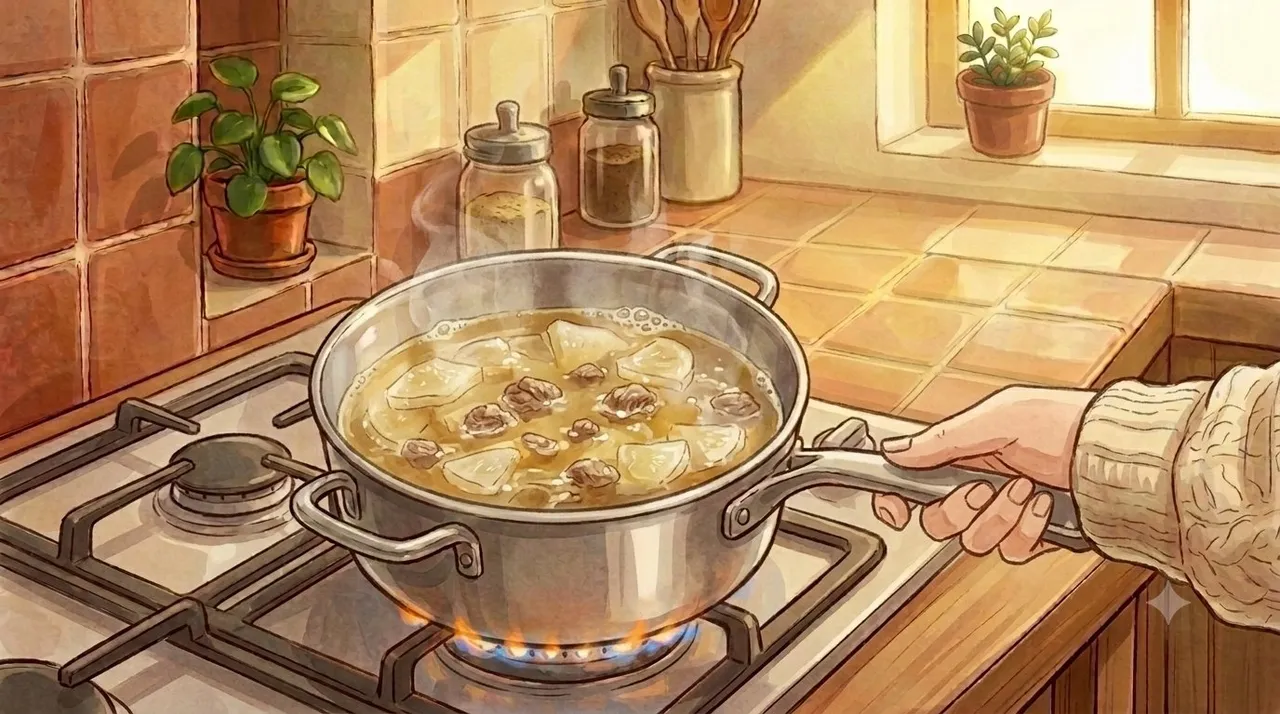
- 5 Lower the heat to medium-low and simmer for 20 minutes, until the radish is soft and see-through at the edges.
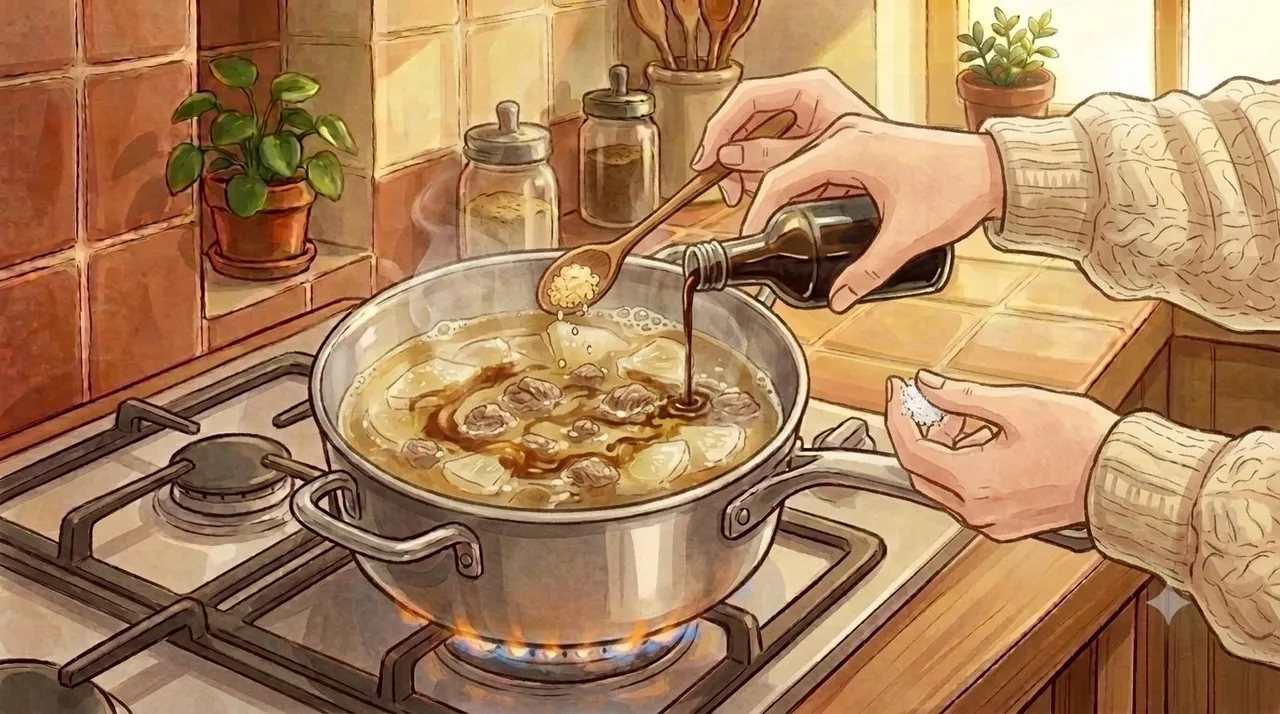
- 6 Stir in the garlic and the soup soy sauce. Taste, then add salt a pinch at a time, because the radish releases water and the broth keeps changing.
- 7 Add the green onion and a little pepper, simmer 2 more minutes, and ladle into bowls with rice on the side.
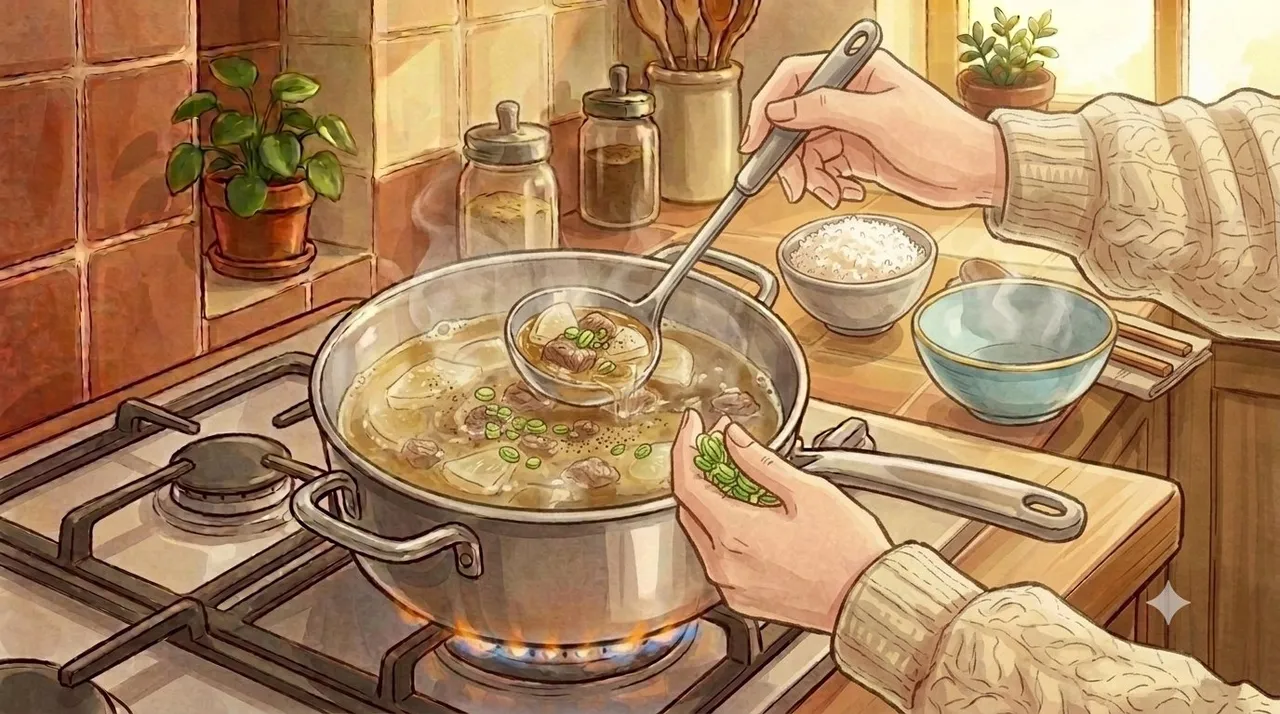
소고기뭇국Cook the radish until the edges look see-through. That is when it has turned sweet and soaked up the beef.
Substitution Guide
About the Radish and the Seasoning — Here's What to Do
Two things trip people up: Korean radish and soup soy sauce. Here's the good news: daikon and a little regular soy sauce with salt make a lovely bowl.
Use this — no need to look further
Daikon from any supermarket. It is a little milder and waterier than Korean radish, so add a pinch of sugar and cook it a few minutes longer.
If you can't find soup soy sauce
- Regular soy sauce — start with 1 tbsp, add salt to finish; the broth will be a bit darker
- Fish sauce — about 1 tsp, tasted as you go
- Salt alone — season a pinch at a time
If you have no brisket
Any stew beef, sirloin or thinly sliced beef works. Cut it small and the broth will still taste properly beefy.
Why it matters
Soegogi-muguk is built from three jobs: beef for a savory broth, radish for sweetness, and gentle seasoning added last. As long as those three jobs get done, you can swap individual ingredients with confidence.
A Couple More Notes
Make It Spicy
Stir 1 tablespoon of gochugaru into the pot with the beef in step 2 for the red, spicier version that is popular in southeastern Korea.
Keep the Soup
It keeps 3 days in the fridge and tastes even sweeter the next day. Reheat gently and adjust the salt.
Want to Go Further?
This soup uses mostly everyday ingredients. Once you're ready to stock two or three Korean pantry staples, a much wider range of Korean dishes opens up with very little extra effort.
Getting Started with Korean Cooking: The 3 Sauces You Need →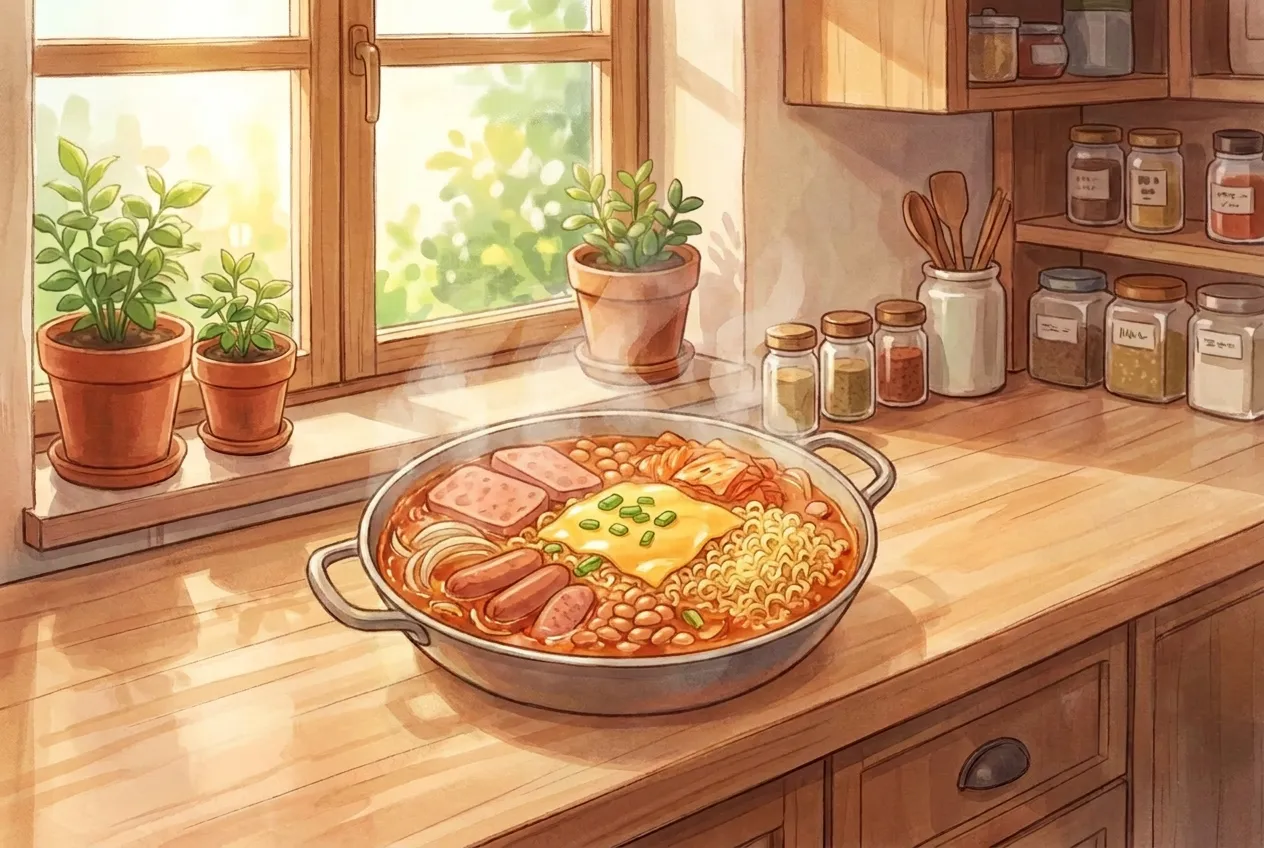

Cooks' versions
Made it your way? Show us.
Swapped an ingredient, changed the heat, plated it differently? Add a photo and a few words — we'll turn it into a pretty card right here on the Soegogi-muguk page, so the next cook can follow your lead.
Spotted a mistake, or have an idea?
Tell us what to fix or improve in this recipe. This is not a public comment — it goes straight to the K-food team.
Made this with a different swap that worked well? Let us know in the comments — it helps the next person who gets stuck on this step.