
Recipe · Spicy noodles · Serves 2
It's Okay — You Can Make Buldak Bokkeum-myeon, Korea's Fiery Spicy Chicken Stir-Fried Noodles, at Home
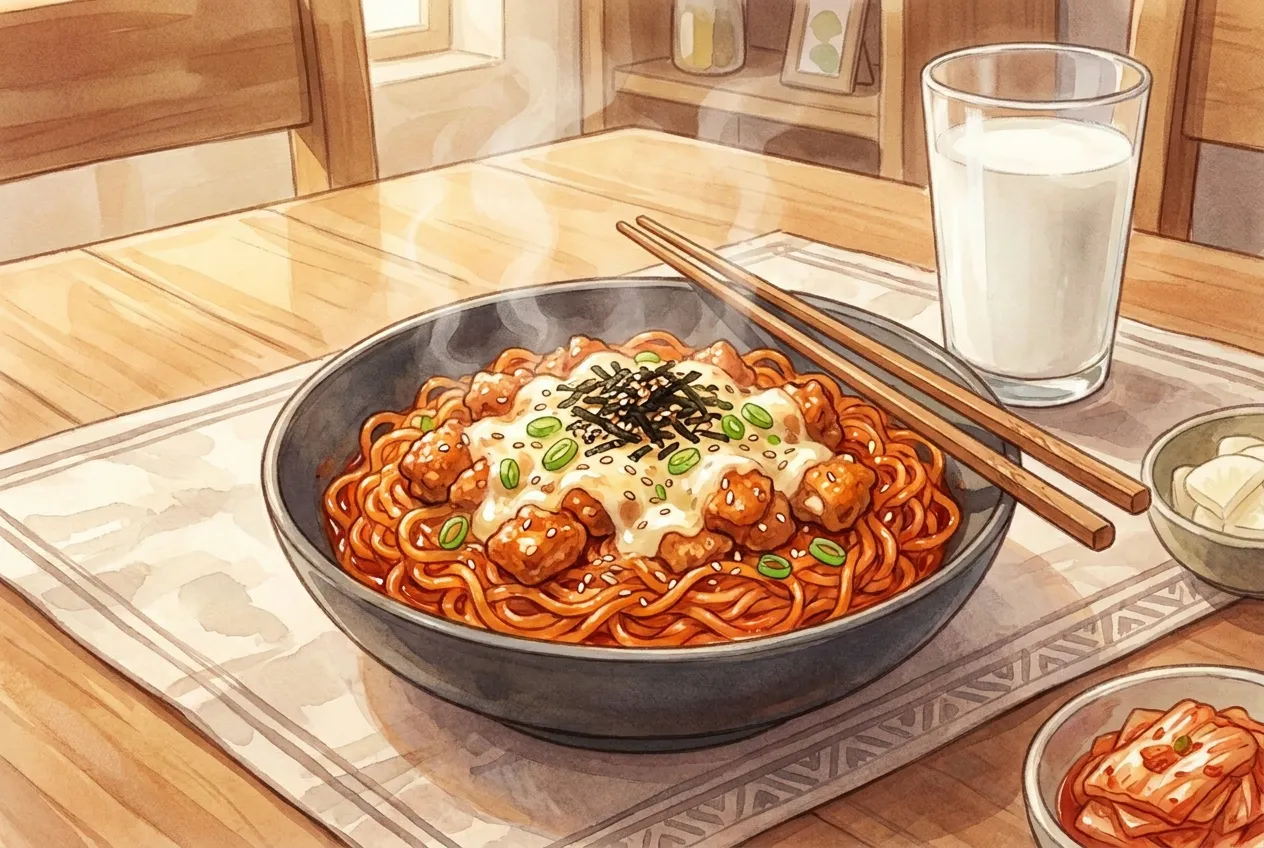
Buldak means fire chicken, and bokkeum-myeon means stir-fried noodles. Spicy chicken noodles became a worldwide craze thanks to instant versions, and you can make the same kind of dish from scratch with a handful of pantry ingredients: chewy noodles, pan-seared chicken and a glossy, sweet-hot red sauce. It takes about 20 minutes. If you don't have every ingredient on this list, that's fine — keep reading before you decide to skip it.
Before You Shop: Quick Ingredient Check
- Gochugaru (Korean chili flakes)substitute below
- Gochujang (Korean chili paste)substitute below
- Ramen-style noodleseasy anywhere
- Chicken, garlic, soy sauce, sugar, sesame oil, green onioneasy anywhere
Nothing here is a dealbreaker. Let's cook.
Ingredients (serves 2)
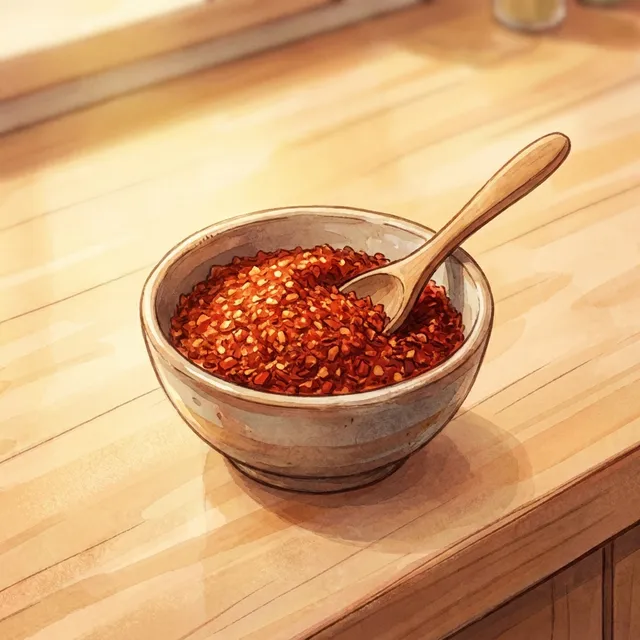 2 tbsp gochugaru (Korean chili flakes)
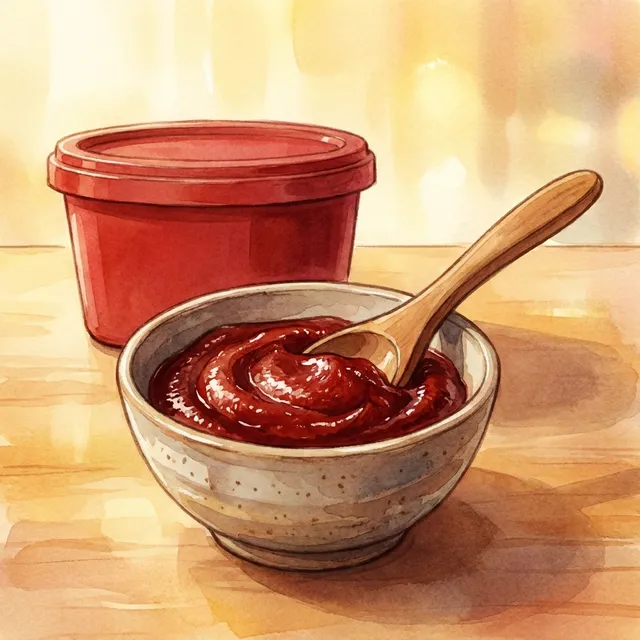 1 tbsp gochujang (Korean chili paste)
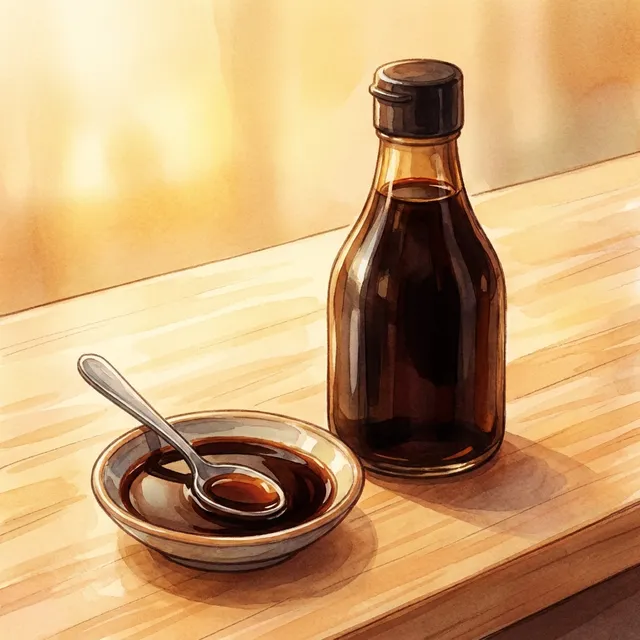 1 tbsp soy sauce
- 1 tbsp sugar
- 1 tbsp minced garlic
 1 tbsp sesame oil
- 200g (7 oz) boneless chicken thigh or breast, cut into bite-size pieces
- 1 tbsp neutral oil
- Pinch of salt and pepper
- 2 portions (about 200g / 7 oz total) plain ramen noodles or thick dried wheat noodles
- ¼ cup (30g) shredded mozzarella cheese, optional
 1 green onion, thinly sliced
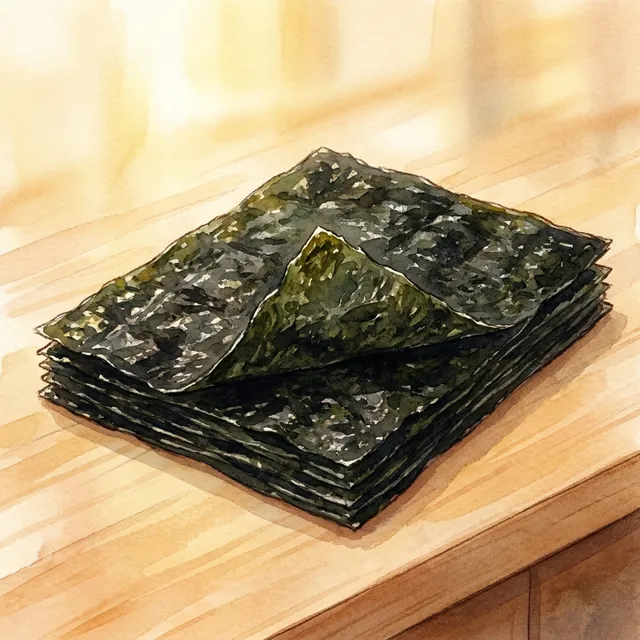 1 tsp toasted sesame seeds and a pinch of crushed roasted seaweed
Steps
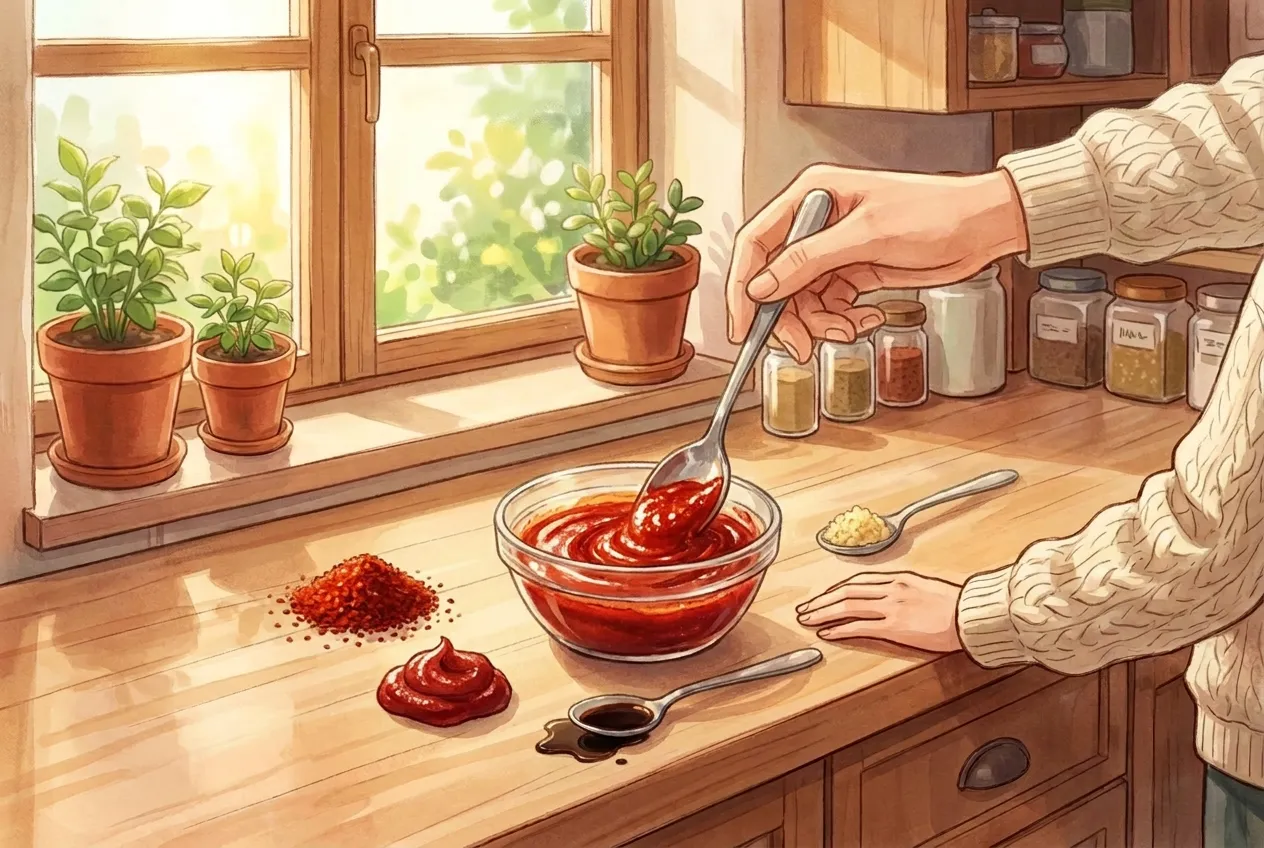
- 1 In a small bowl, mix the gochugaru, gochujang, soy sauce, sugar, garlic and sesame oil into a thick paste.
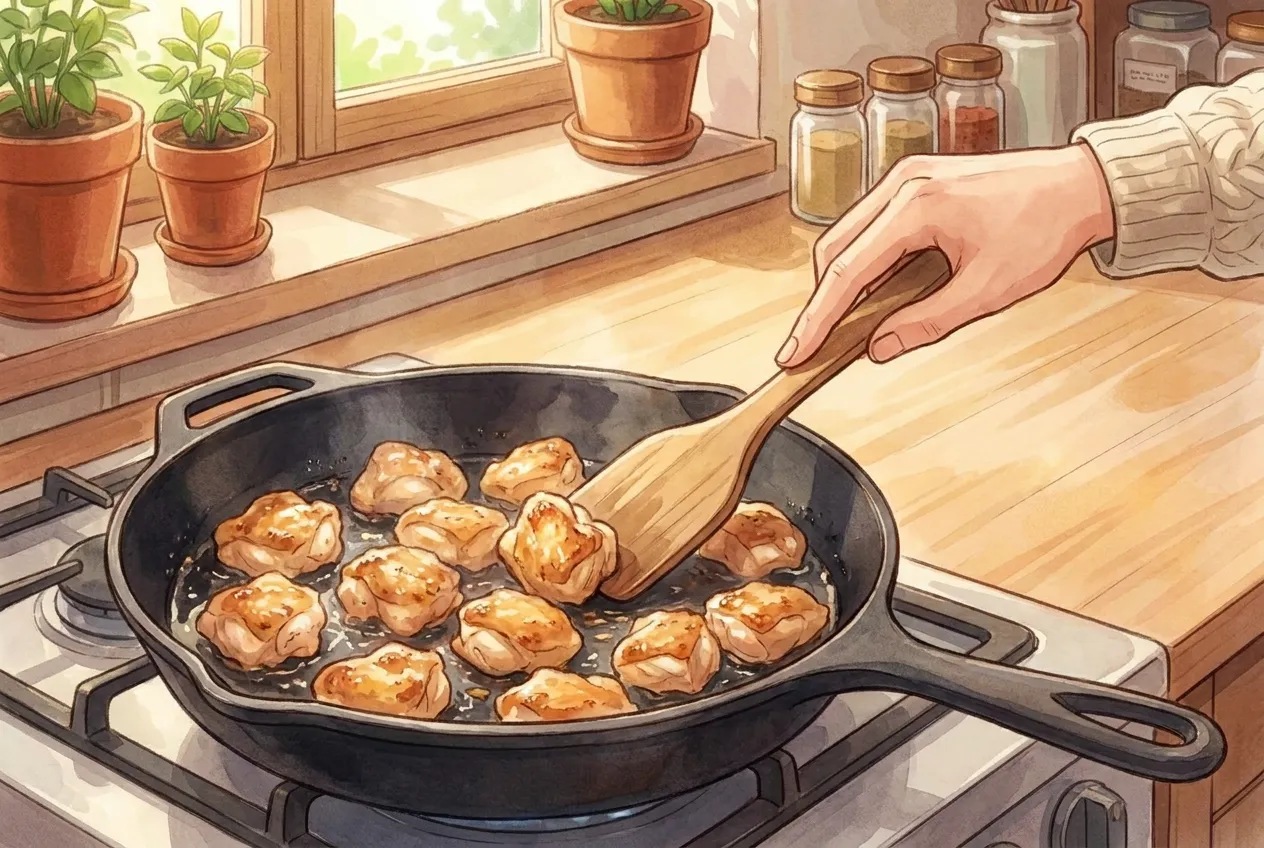
- 2 Season the chicken with a pinch of salt and pepper. Heat the oil in a large skillet over medium-high heat and cook the chicken for 5–6 minutes, until golden and cooked through.
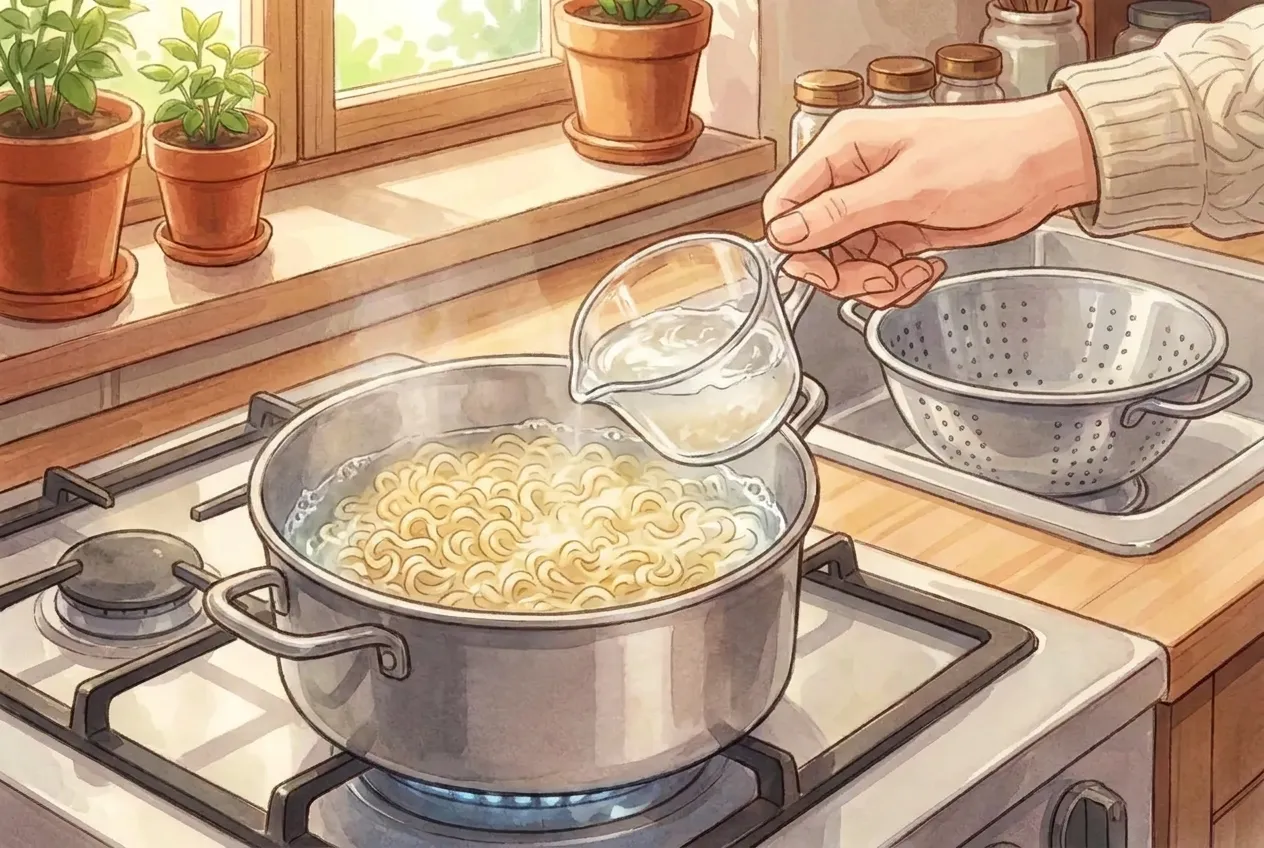
- 3 Boil the noodles in a pot of water according to the package, usually 3–4 minutes. Scoop out ¼ cup (60 ml) of the cooking water, then drain the noodles.
- 4 Turn the heat to medium-low. Add the sauce and 3 tbsp of the noodle water to the chicken in the skillet and stir for 1 minute, until bubbling and glossy.
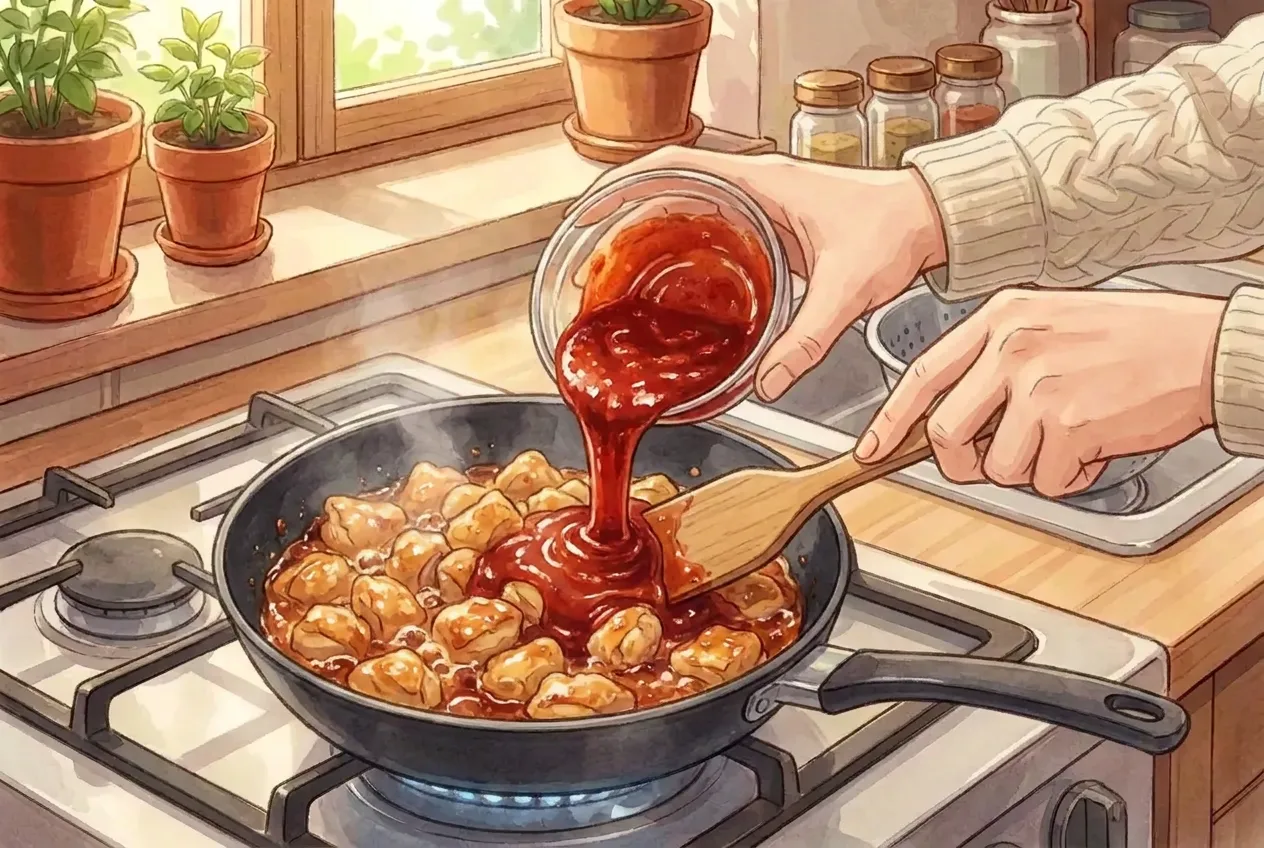
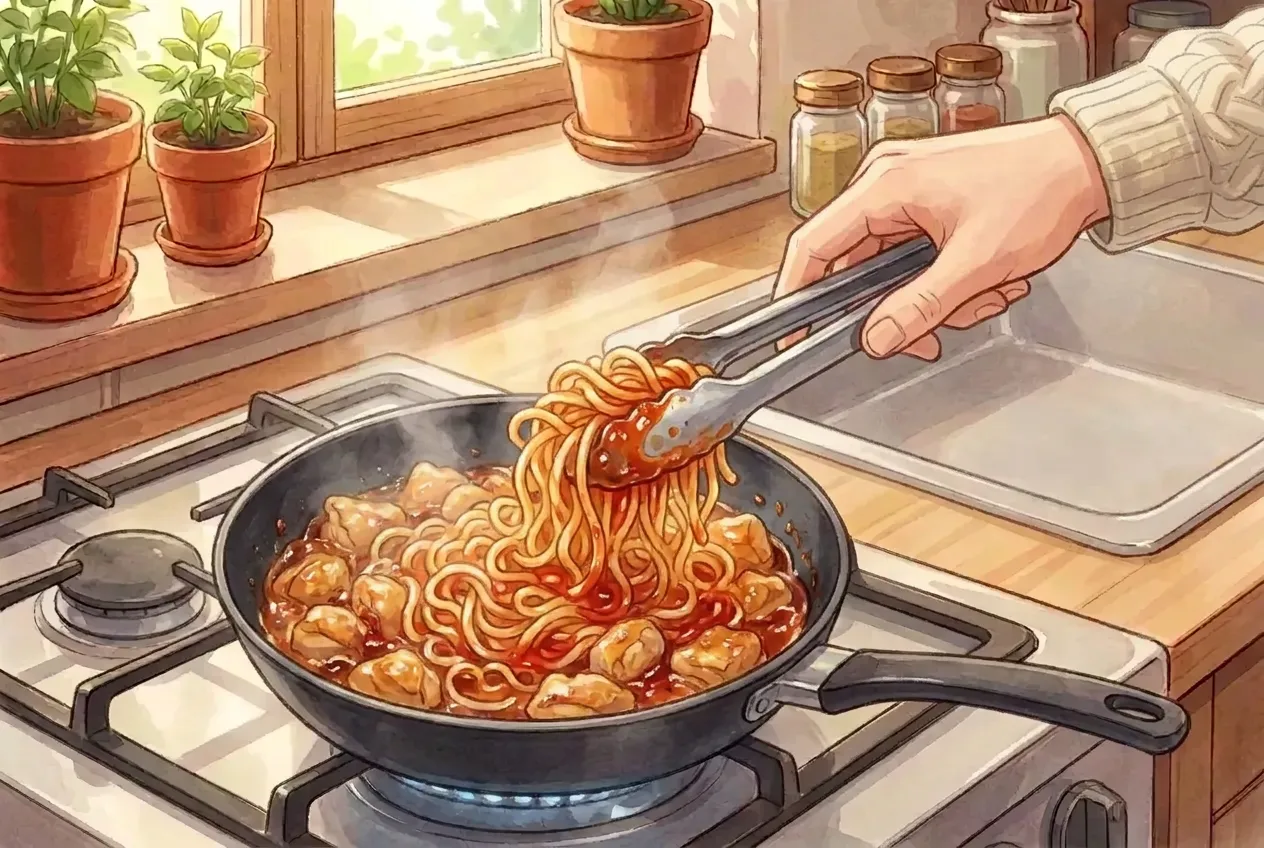
- 5 Add the drained noodles and toss for about 1 minute, until every strand is coated and glossy. Add a splash more noodle water if it looks dry.
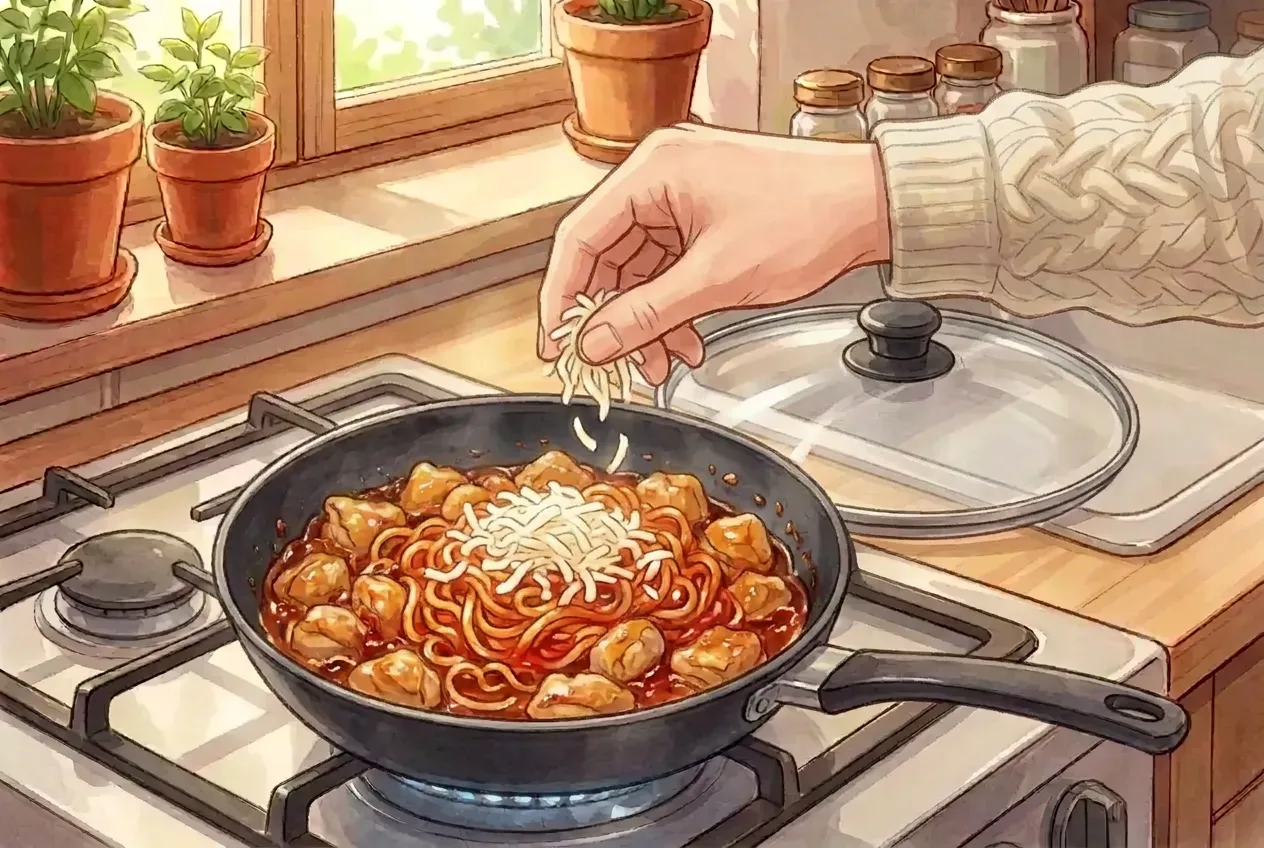
- 6 Turn off the heat. If you like cheese, scatter the mozzarella over the noodles, cover for 1 minute, and let it melt.
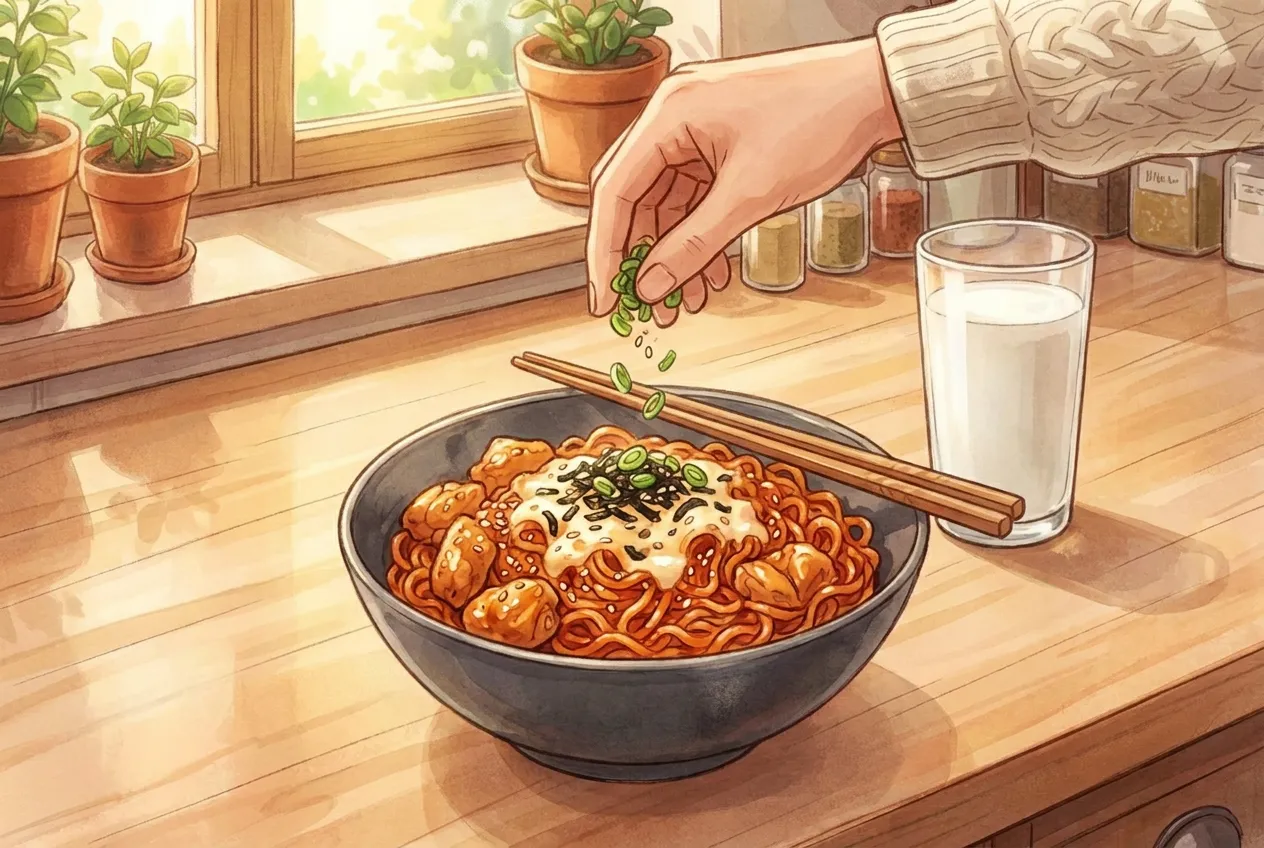
- 7 Divide between two bowls and top with the green onion, sesame seeds and crushed seaweed. Serve at once, with a glass of cold milk or water nearby.
국룰Add the sauce to the chicken, not straight to the noodles. Letting it bubble for a minute cooks off the raw chili edge and turns it into a glossy sauce that clings to every strand.
Substitution Guide
About the Chili Ingredients — Here's What to Do
Two things might send you shopping: gochugaru and gochujang. Here's the good news: this is a sauce dish, so the noodles and chicken are easy and you can adjust the heat to your own taste.
Use this — no need to look further
Gochugaru and gochujang from an Asian grocery store, in a bag and a tub. Gochugaru supplies the heat and bright red color, and gochujang adds a sweet, savory depth.
If you can't find gochugaru or gochujang
- Sriracha or another chili sauce in place of gochujang: use 1 tbsp and add ½ tsp extra sugar
- Mild paprika plus a pinch of cayenne in place of gochugaru: use 2 tbsp paprika and cayenne to taste
- Any ramen or thick dried wheat noodles work. Discard the seasoning packet, or save it for another soup
- Firm tofu or mushrooms in place of chicken for a vegetarian bowl: pan-fry until golden before adding the sauce
If it's too spicy for you
Cut the gochugaru to 1 tbsp, add an extra teaspoon of sugar, and finish with the melted cheese, a soft-boiled egg, or a little milk on the side. They all cool the heat.
Why it matters (so you're not just guessing next time)
This dish is built from three jobs: a sauce with heat, sweetness and garlic, a protein seared separately so it stays juicy, and noodles tossed in a splash of their cooking water so the sauce turns glossy and clings. As long as those three jobs get done, you can swap individual ingredients with confidence.
A Couple More Notes
Dial the Heat
Heat varies a lot between brands of gochugaru. Start with 1½ tbsp, taste the sauce, and add more only if you want it hotter.
Fun Add-Ins
A fried egg, a soft-boiled egg, or a spoonful of kimchi on top all work well. Many Koreans also add a slice of cheese to soften the heat.
Want to Go Further?
Once you're ready to stock two or three Korean pantry staples, a much wider range of Korean dishes opens up with very little extra effort.
Getting Started with Korean Cooking: The 3 Sauces You Need →Watch It Made
These cooks speak Korean. Press CC in the player, then the gear icon → Subtitles → Auto-translate to read along in your language.
Cooks' versions
Made it your way? Show us.
Swapped an ingredient, changed the heat, plated it differently? Add a photo and a few words — we'll turn it into a pretty card right here on the Buldak Bokkeum-myeon page, so the next cook can follow your lead.
Spotted a mistake, or have an idea?
Tell us what to fix or improve in this recipe. This is not a public comment — it goes straight to the K-food team.
Made this with a different swap that worked well? Let us know in the comments — it helps the next person who gets stuck on this step.