
Recipe · Hearty soup · Serves 4
It's Okay — You Can Make Yukgaejang, Korea's Spicy Shredded Beef Soup, at Home
Yukgaejang is a deep red, peppery beef soup: beef brisket simmered until tender, pulled into strands, then cooked with radish, green onions, bean sprouts and fernbrake in a chili-and-garlic seasoning. It is the soup Koreans reach for on a cold day or to sweat out a summer one, and it tastes better the next day. If you don't have every ingredient on this list, that's fine — keep reading before you decide to skip it.
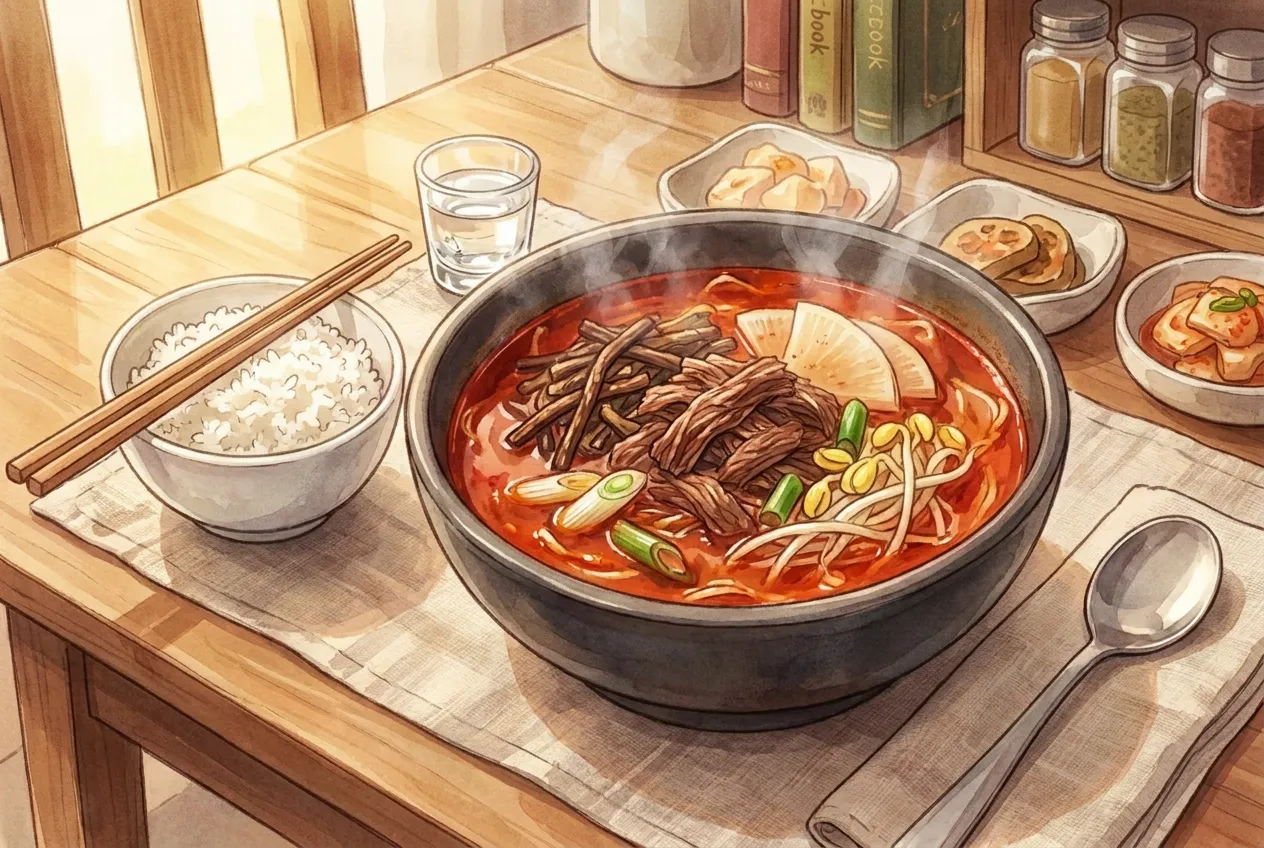
Before You Shop: Quick Ingredient Check
- Gochugaru (Korean chili flakes)substitute below
- Gosari (cooked bracken fernbrake)substitute below
- Guk-ganjang (Korean soup soy sauce)substitute below
- Beef brisket, Korean radish or daikon, bean sprouts, green onions, garlic, sesame oileasy anywhere
Nothing here is a dealbreaker. Let's cook.
Ingredients (serves 4)
- 500g (1 lb) beef brisket, or beef shank
- 10 cups (2.4 liters) water
 250g (½ lb) Korean radish or daikon, cut into thin slices
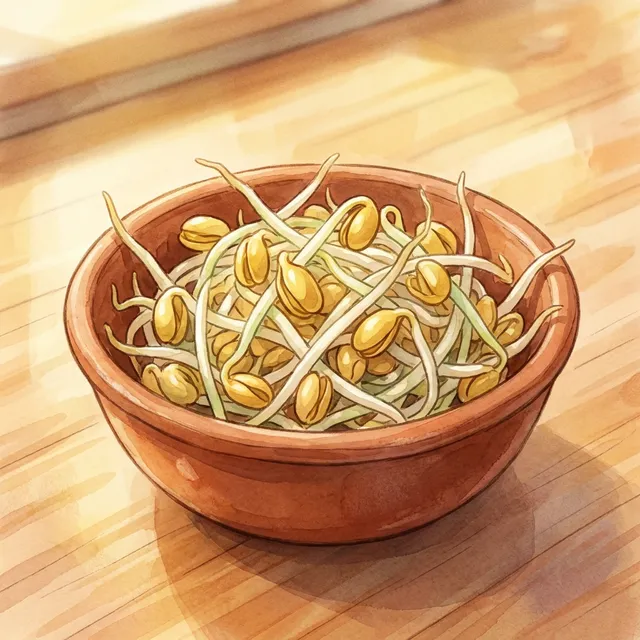 200g (7 oz) soybean sprouts or mung bean sprouts
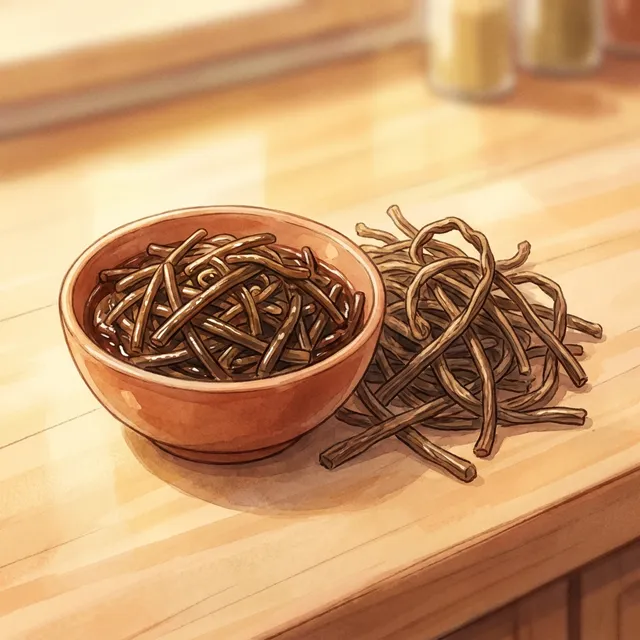 150g (5 oz) cooked gosari (bracken fernbrake), cut into 5cm (2 in) lengths
 6 green onions, cut into 6cm (2½ in) lengths, white parts split lengthwise
 1 tbsp sesame oil
 4 tbsp gochugaru (Korean chili flakes)
 3 tbsp Korean soup soy sauce (guk-ganjang), plus salt to taste
- 1 tbsp fish sauce
- 1 tbsp minced garlic
- 1 tsp sugar
- ½ tsp black pepper
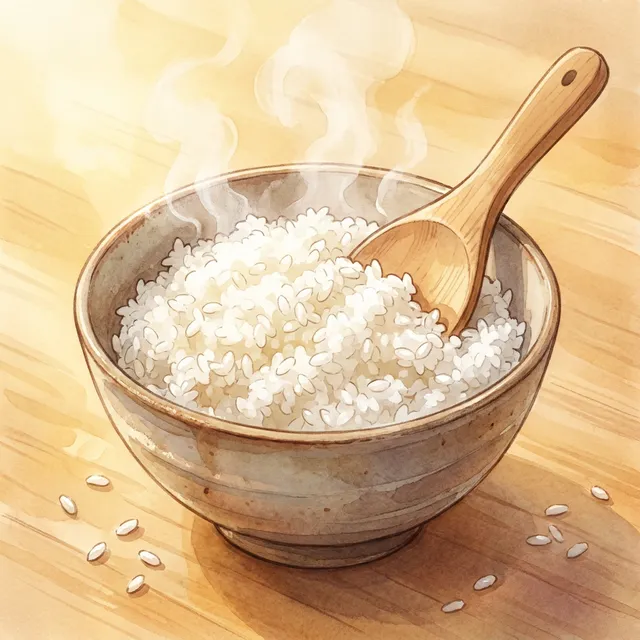 Cooked rice, to serve
Steps
- 1 Soak the brisket in cold water for 30 minutes to draw out the blood, then rinse. This keeps the broth clear.
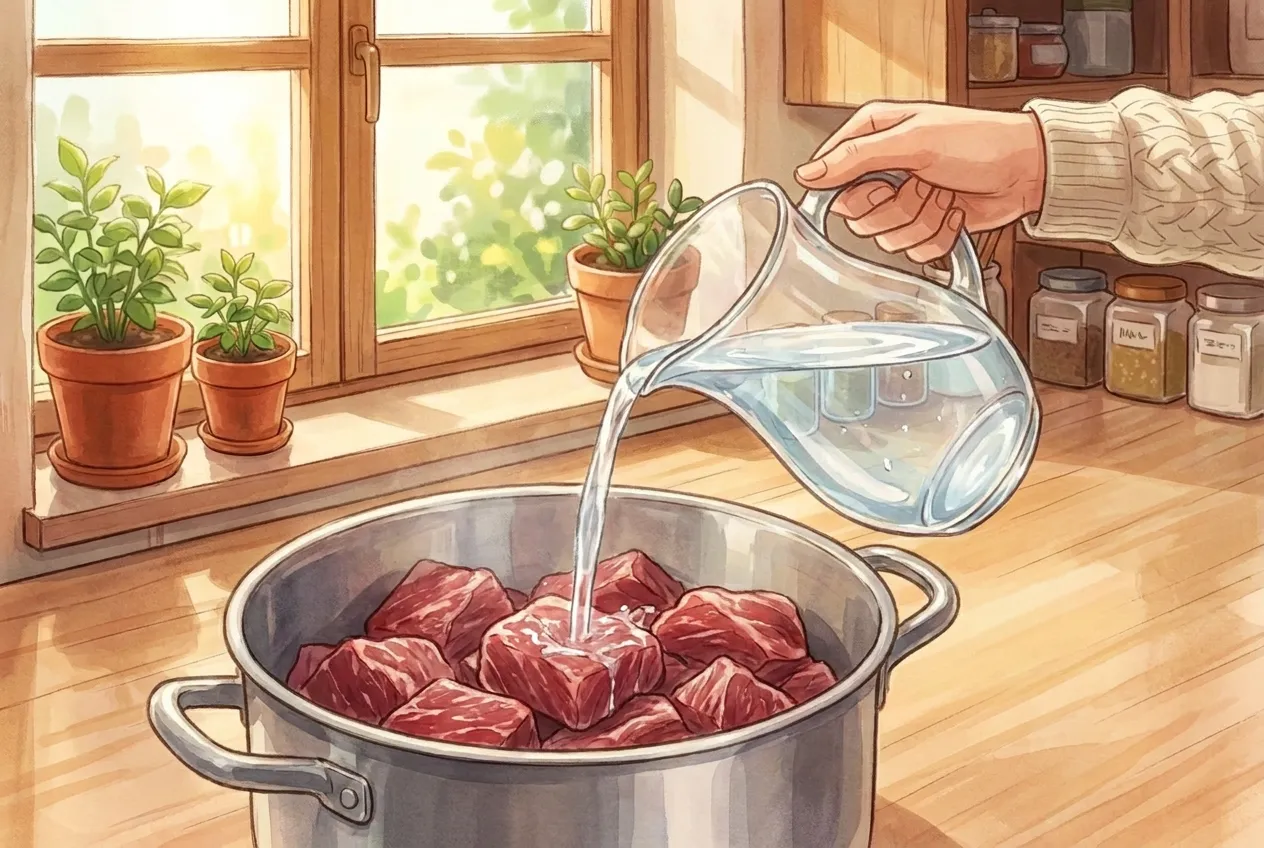
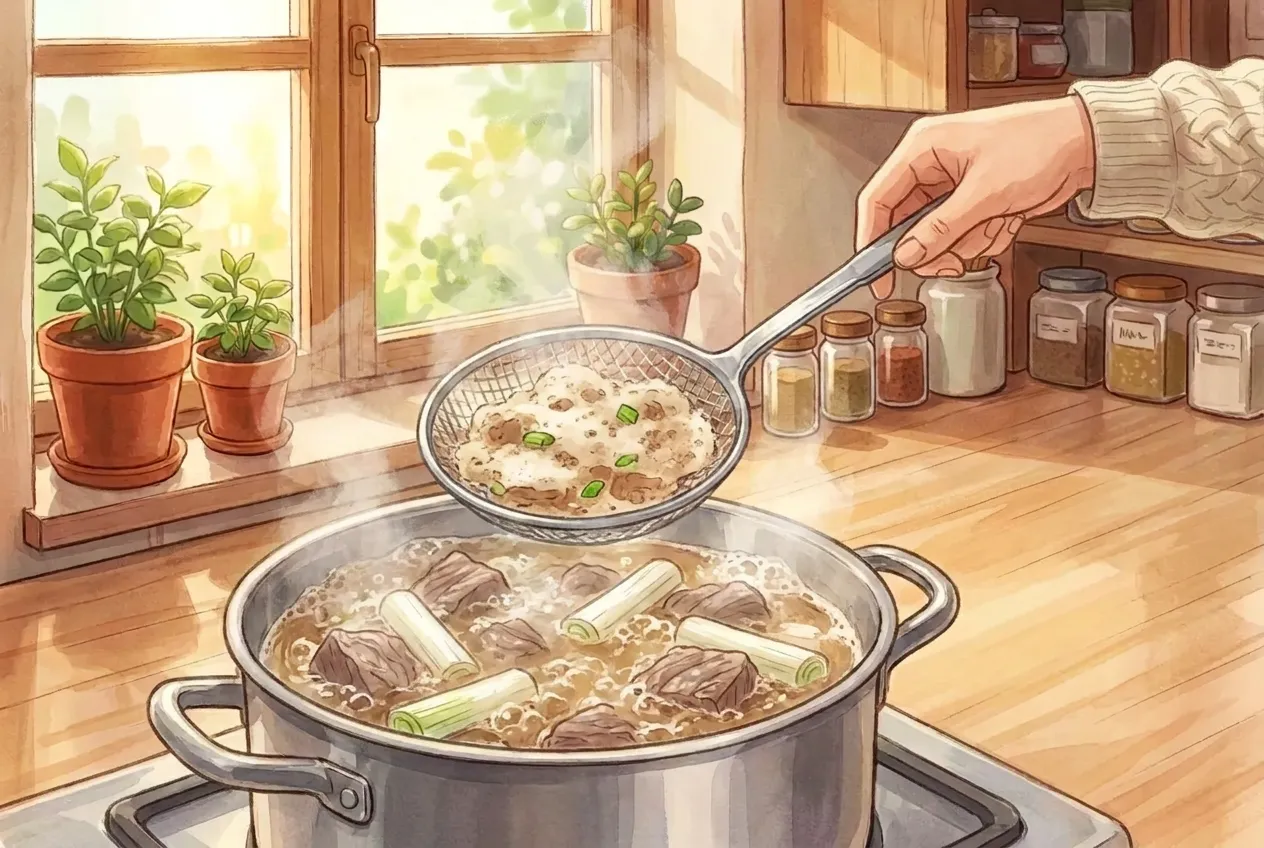
- 2 Put the beef, the water and the white parts of 2 green onions in a large pot. Bring to a boil, skim off the foam, then simmer over medium-low heat for 50–60 minutes, until the beef is tender.
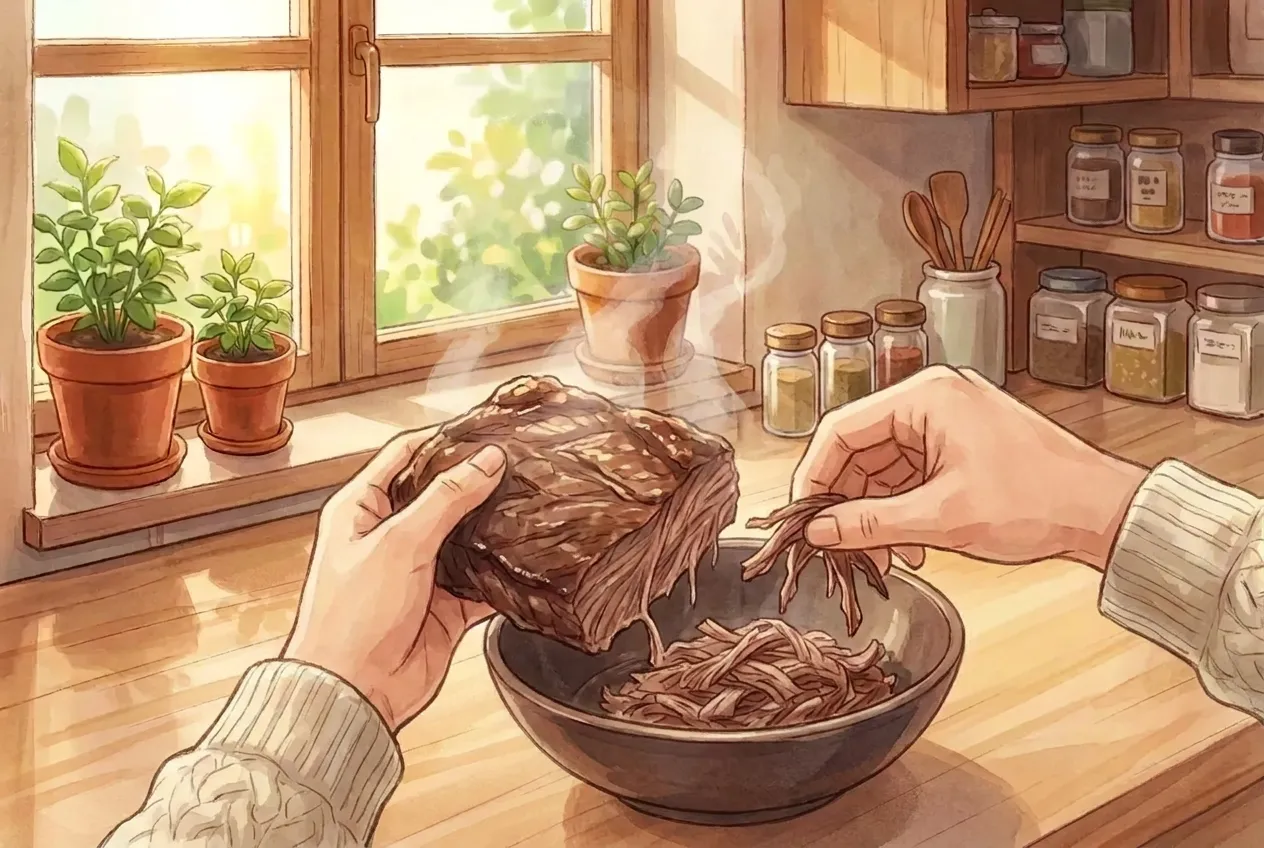
- 3 Lift out the beef and let it cool for a few minutes. Shred it along the grain into thin strips. Keep the broth in the pot.
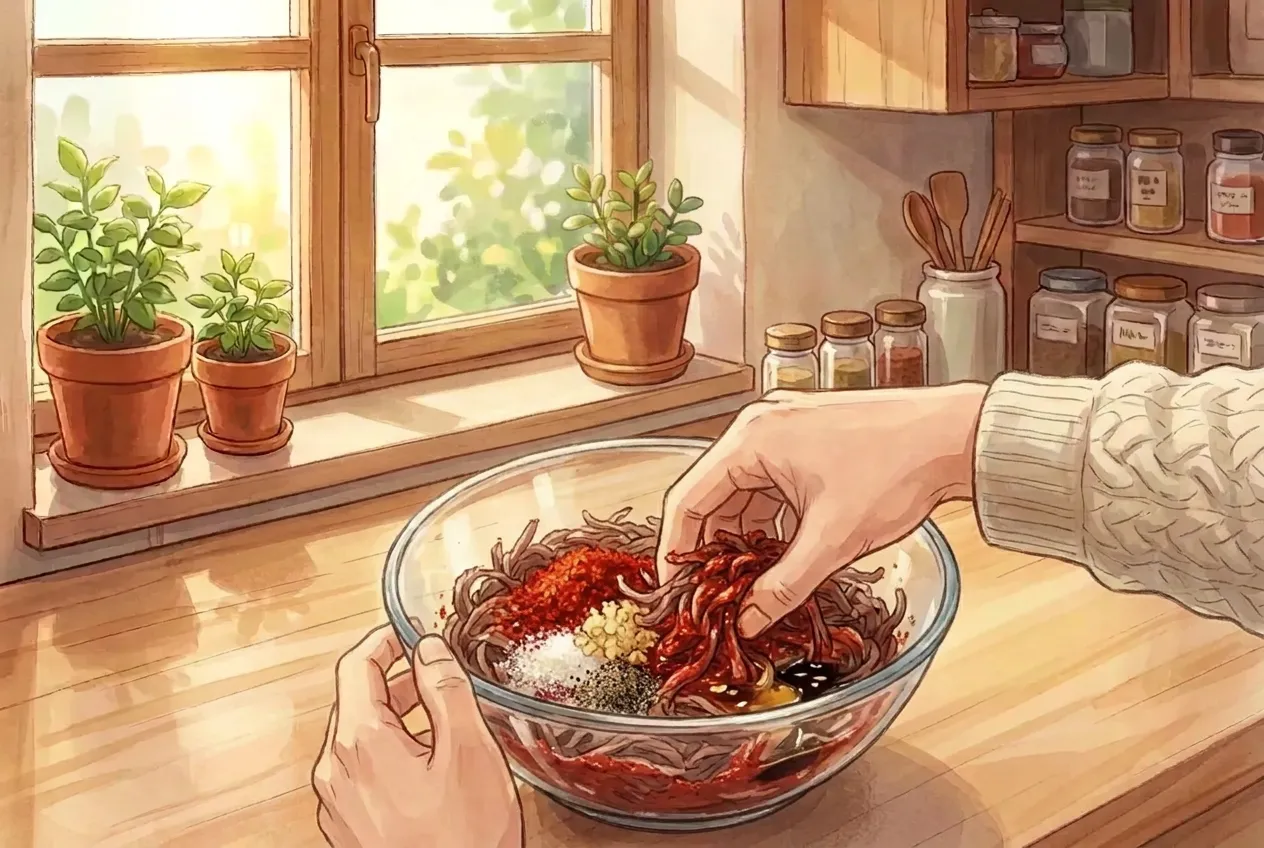
- 4 In a bowl, mix the shredded beef with the gochugaru, soup soy sauce, fish sauce, garlic, sugar, pepper and sesame oil until every strand is red.
- 5 Add the radish to the broth and simmer for 10 minutes. Add the seasoned beef and the fernbrake and simmer 15 minutes more.
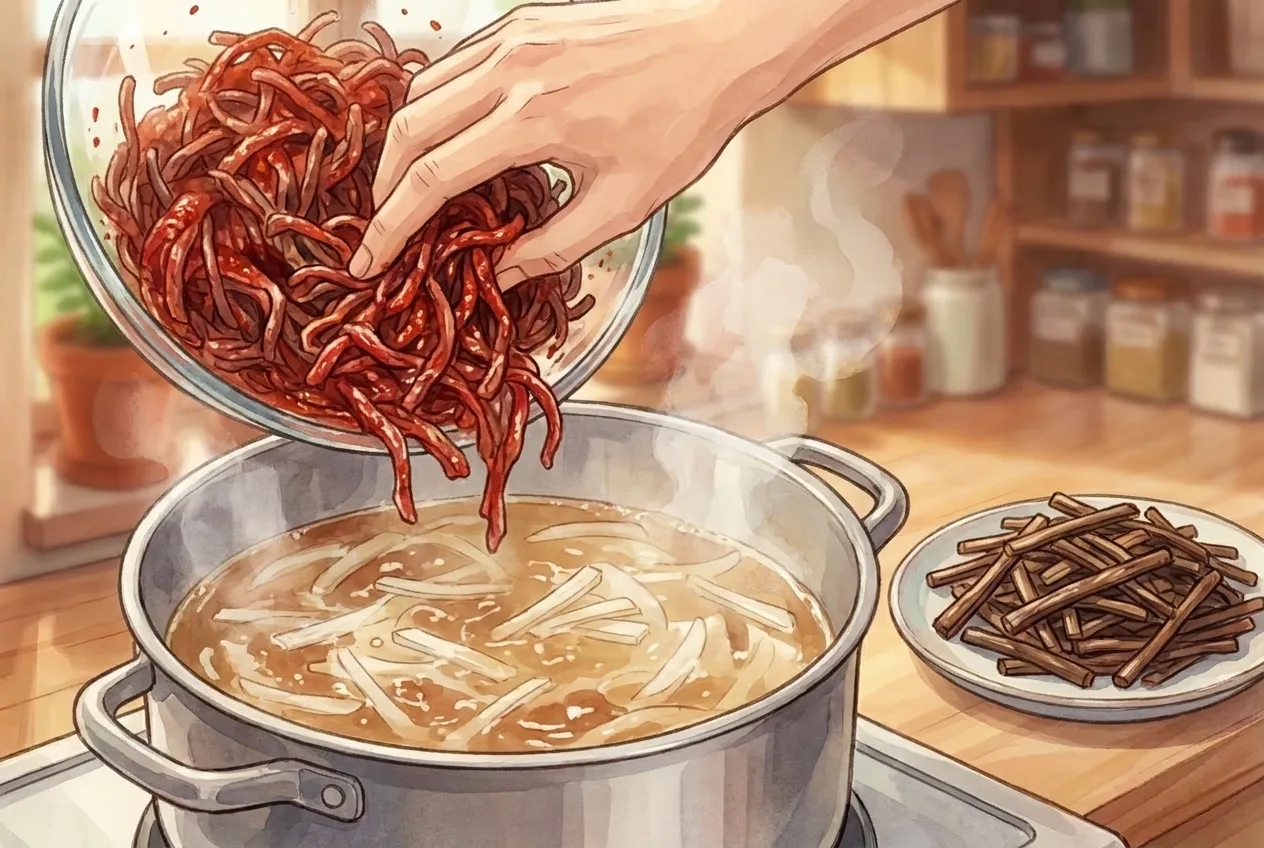
- 6 Add the bean sprouts and the rest of the green onions and cook for 5 minutes, until the sprouts are tender. Taste and add salt if needed.
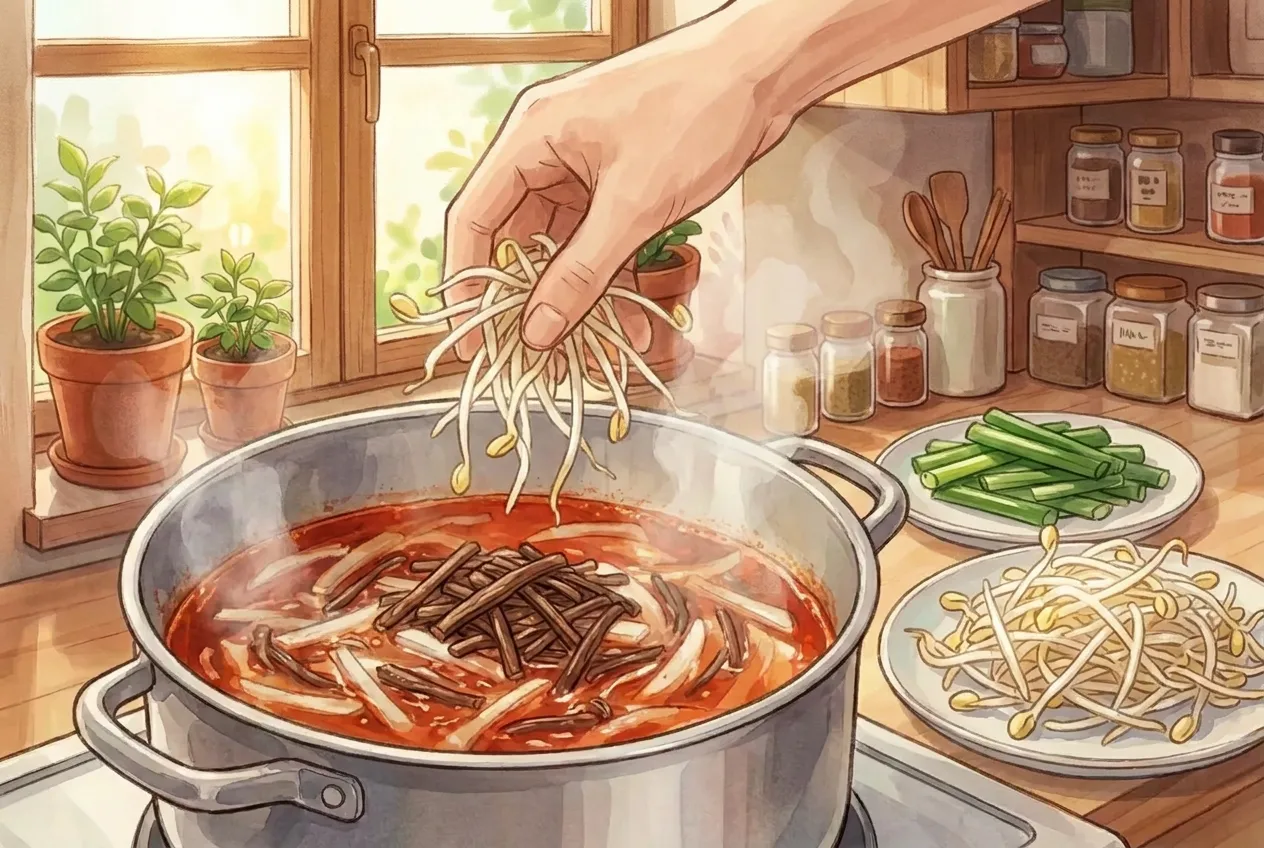
- 7 Ladle into bowls with plenty of beef and vegetables, and serve hot with rice.
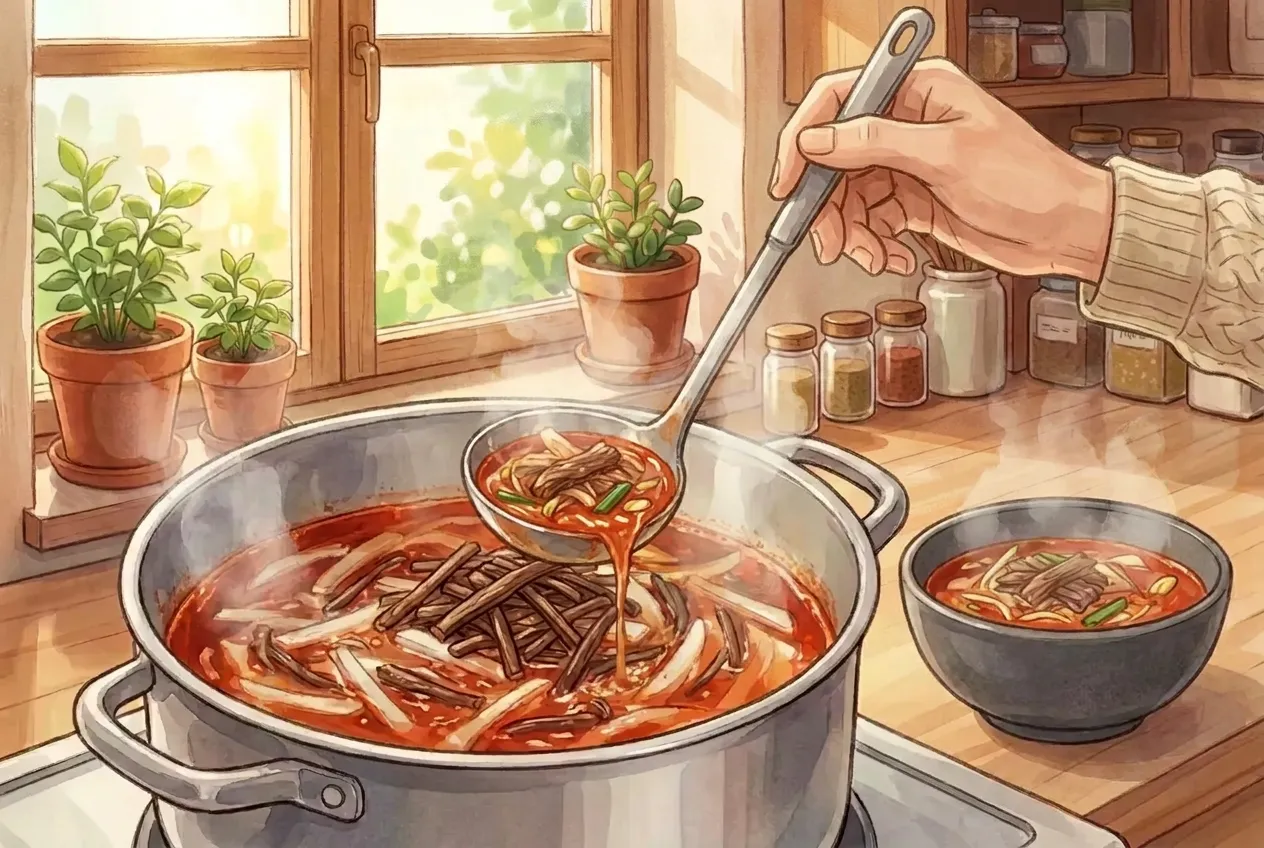
국룰Mix the shredded beef with the chili seasoning before it goes into the pot. The meat soaks up the flavor and the broth turns a rich red without turning gritty.
Substitution Guide
About the Fernbrake and the Chili Flakes — Here's What to Do
Two things trip people up: gosari (cooked bracken fernbrake) and the gochugaru that gives the soup its color. Here's the good news: the soup is mostly beef, radish and sprouts, so it holds up fine even if you use a stand-in for either.
Use this — no need to look further
Gosari from an Asian grocery store, sold ready-cooked in a pack or dried (soak and boil dried gosari first). It adds an earthy, slightly chewy bite that defines yukgaejang. Gochugaru comes from the same shop, in a bag marked for soup or general use.
If you can't find gosari or gochugaru
- Shiitake mushrooms or oyster mushrooms, sliced, in place of the fernbrake: use about the same weight
- Napa cabbage or spinach add a soft texture if you want greens
- Mild paprika plus a little cayenne for gochugaru: use about the same amount and add cayenne to taste
- Soy sauce plus a pinch of salt in place of soup soy sauce: use 2 tbsp soy sauce and season with salt after
If you can't find Korean radish
Daikon is the closest swap, and a regular white turnip works too. Slice it thin so it softens in the time the soup simmers.
Why it matters (so you're not just guessing next time)
Yukgaejang is built from three jobs: a patiently simmered beef broth, a chili-and-garlic seasoning that carries the heat, and vegetables that add sweetness and body. The long simmer makes the broth rich, and the seasoned beef stirs the flavor through the whole pot. As long as those three jobs get done, you can swap individual ingredients with confidence.
A Couple More Notes
A Quicker Version
Use thinly sliced beef brisket or brisket cut for hot pot and simmer it for 25–30 minutes instead of a full hour. The broth is a little lighter but still satisfying.
Better the Next Day
Leave it to rest overnight in the fridge and reheat. The seasoning settles into the beef and the soup tastes deeper. It also freezes well for up to a month.
Want to Go Further?
Once you're ready to stock two or three Korean pantry staples, a much wider range of Korean dishes opens up with very little extra effort.
Getting Started with Korean Cooking: The 3 Sauces You Need →Watch It Made
These cooks speak Korean. Press CC in the player, then the gear icon → Subtitles → Auto-translate to read along in your language.

Cooks' versions
Made it your way? Show us.
Swapped an ingredient, changed the heat, plated it differently? Add a photo and a few words — we'll turn it into a pretty card right here on the Yukgaejang page, so the next cook can follow your lead.
Spotted a mistake, or have an idea?
Tell us what to fix or improve in this recipe. This is not a public comment — it goes straight to the K-food team.
Made this with a different swap that worked well? Let us know in the comments — it helps the next person who gets stuck on this step.