
Recipe · Summer · Serves 2
It's Okay — You Can Make Bibim-guksu, Korea's Spicy Cold Mixed Noodles, at Home
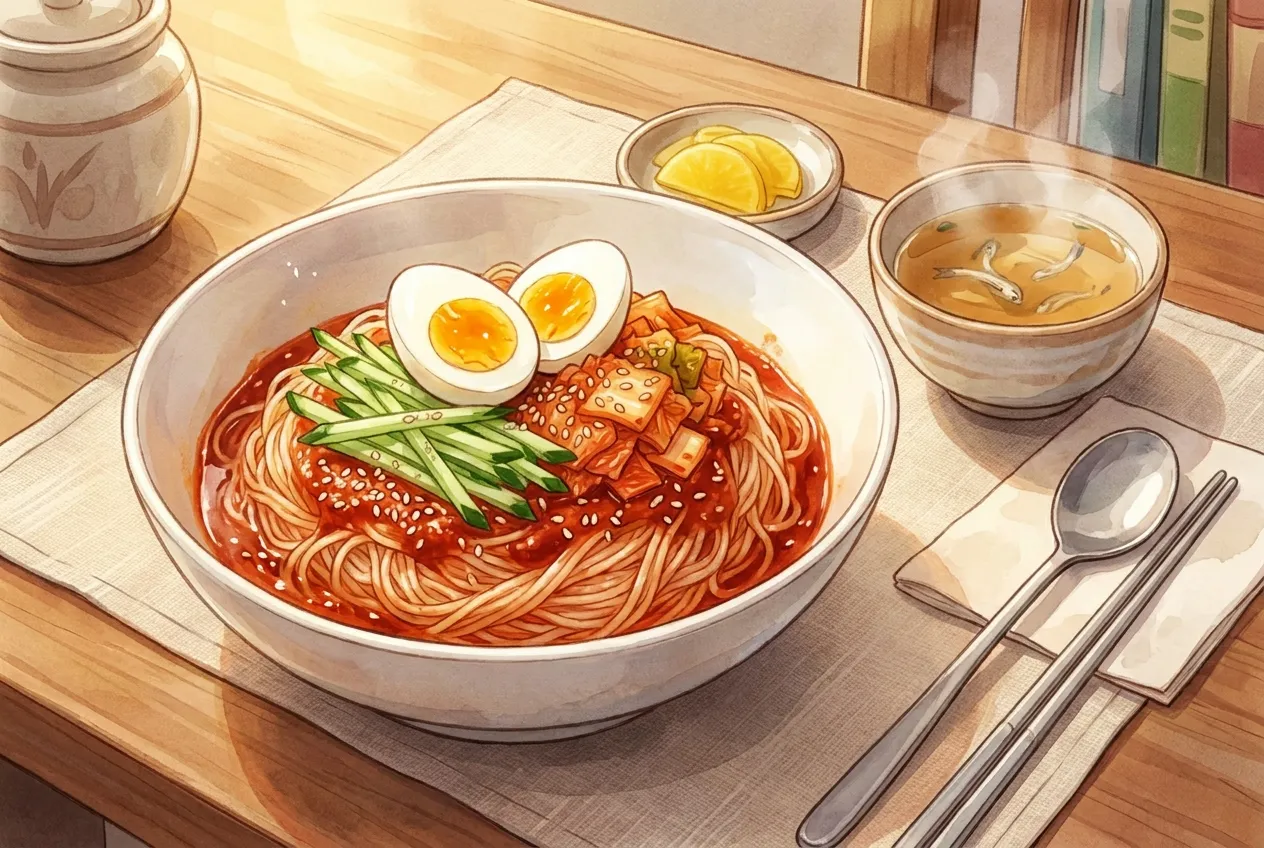
Bibim-guksu is thin wheat noodles tossed in a sweet, tangy, spicy sauce and piled with crisp cucumber and a halved egg, a summer favorite that takes about 20 minutes. It's the dish Koreans make when it's too hot to cook. If you don't have every ingredient on this list, that's fine — keep reading before you decide to skip it.
Before You Shop: Quick Ingredient Check
- Somyeon (thin wheat noodles)substitute below
- Gochujang (Korean chili paste)substitute below
- Gochugaru (Korean chili flakes)optional, substitute below
- Cucumber, egg, vinegar, sugar, soy sauce, garlic, sesame oileasy anywhere
Nothing here is a dealbreaker. Let's cook.
Ingredients (serves 2)
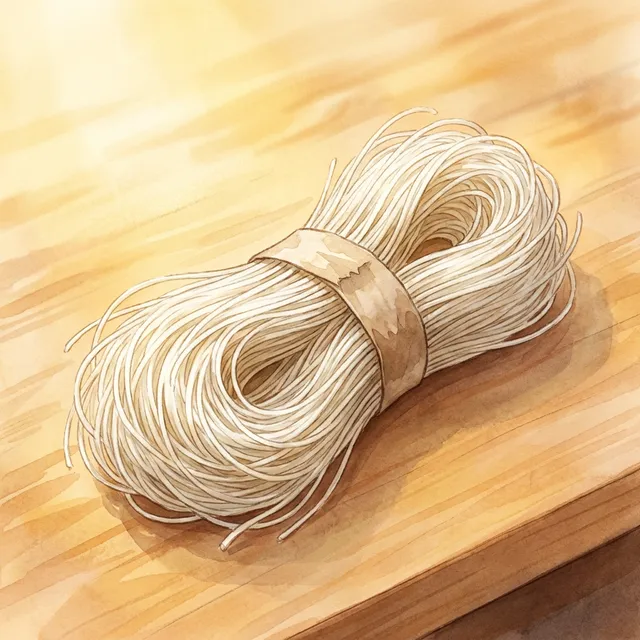 200g (7 oz) somyeon (thin wheat noodles)
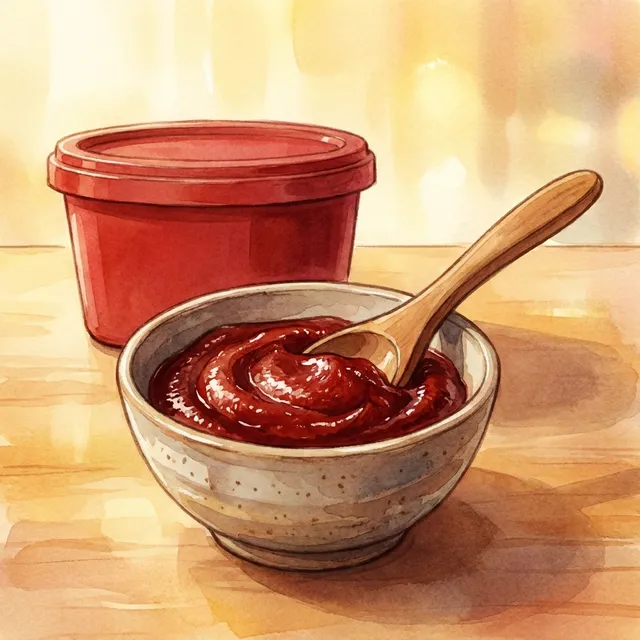 2 tbsp gochujang (Korean chili paste)
 1 tbsp gochugaru (Korean chili flakes)
 1 tbsp soy sauce
- 2 tbsp rice vinegar or apple cider vinegar
- 1 tbsp sugar
- 1 clove garlic, grated
 1 tbsp sesame oil
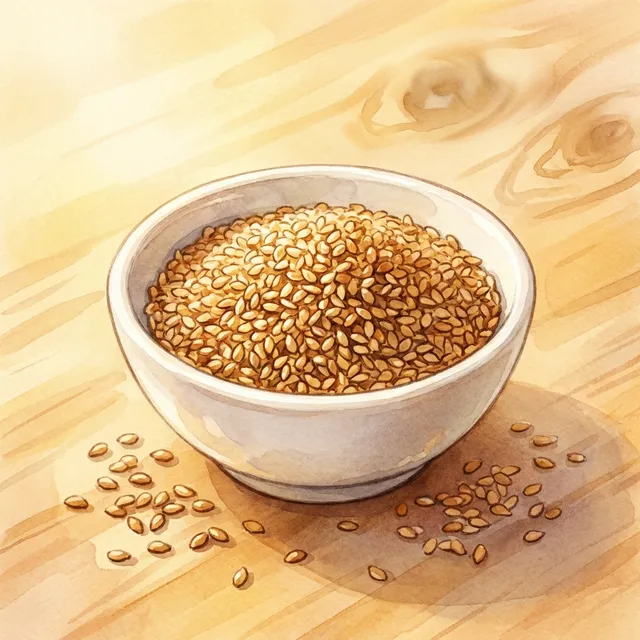 1 tbsp sesame seeds
- ½ cucumber, cut into thin matchsticks
- 2 eggs, boiled
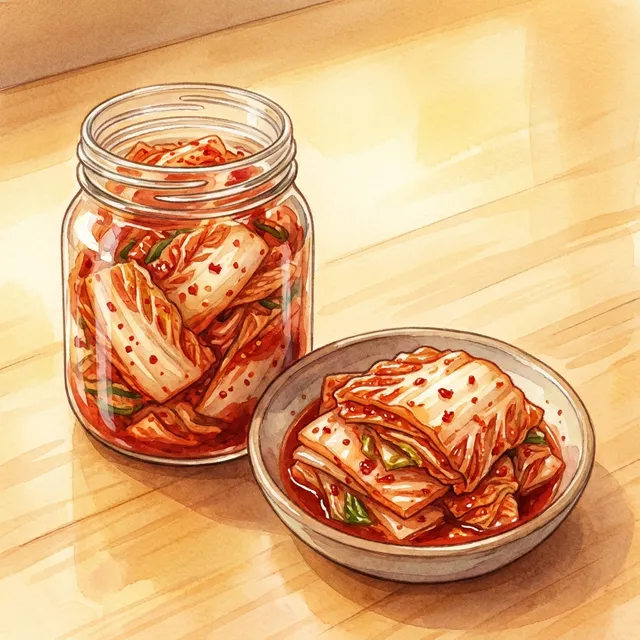 Kimchi, chopped (optional)
Steps
- 1 Boil the eggs for 9–10 minutes, then cool them in cold water, peel and halve them.

- 2 Mix the gochujang, gochugaru, soy sauce, vinegar, sugar, garlic and sesame oil in a large bowl until smooth.

- 3 Boil the noodles in plenty of water for about 3 minutes, following the package time, until just tender.
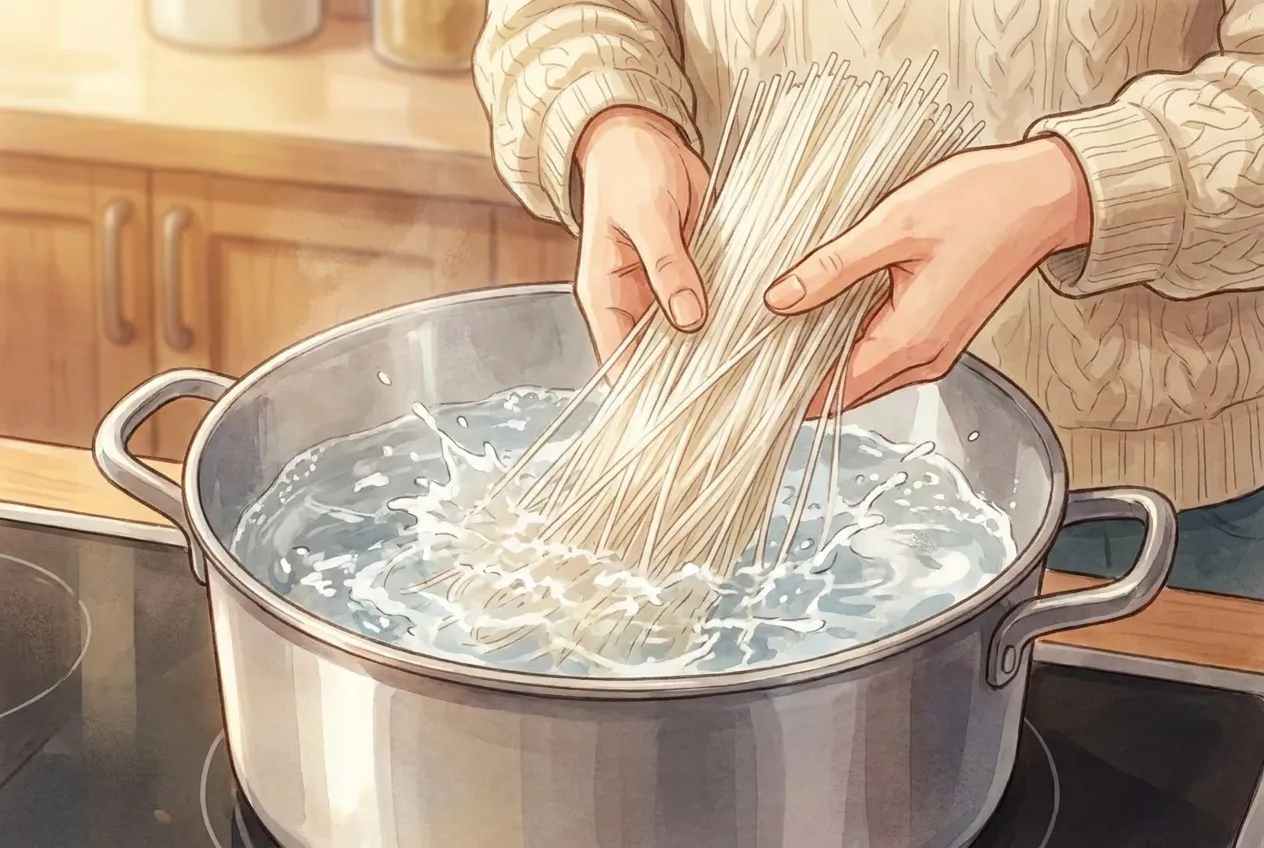
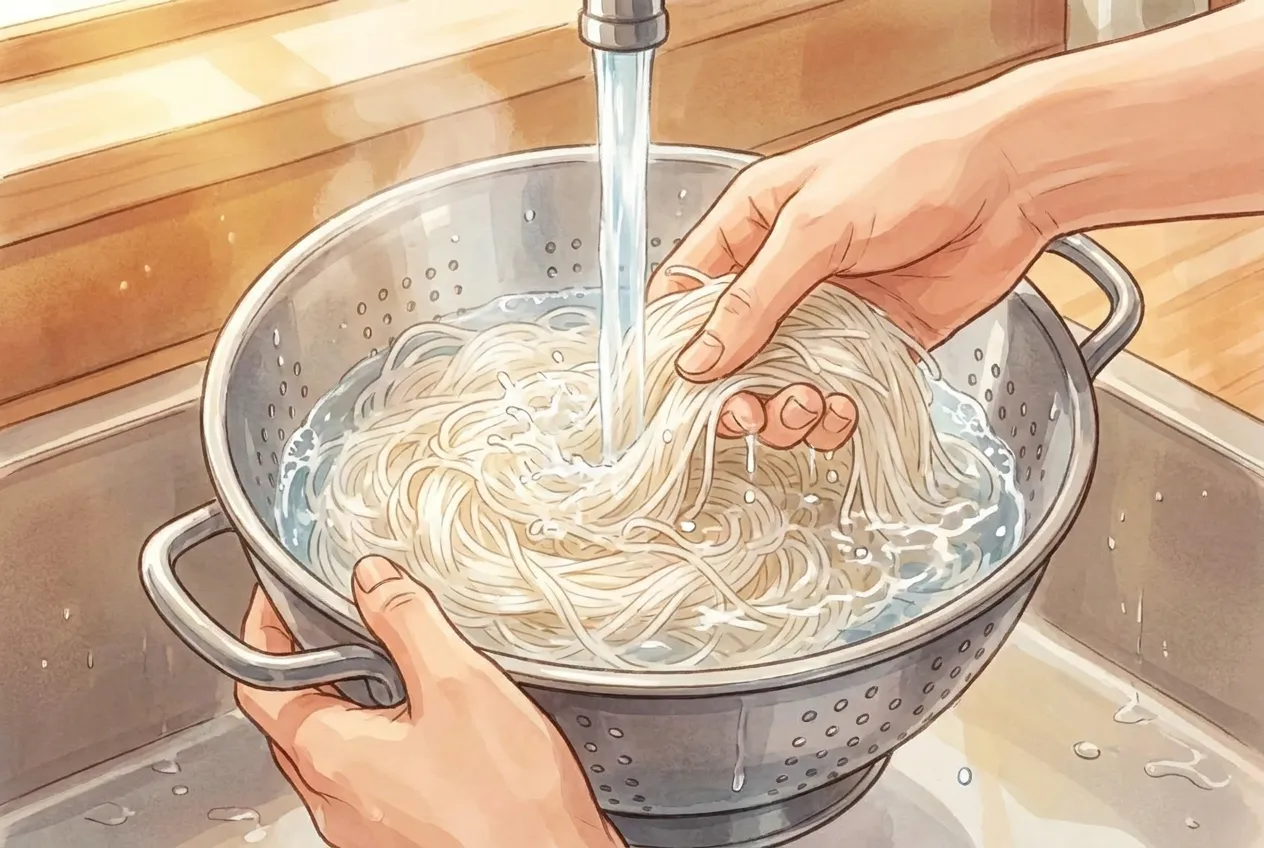
- 4 Drain and rinse the noodles under cold running water, rubbing them gently, until they are cold and no longer sticky. Squeeze out the extra water.
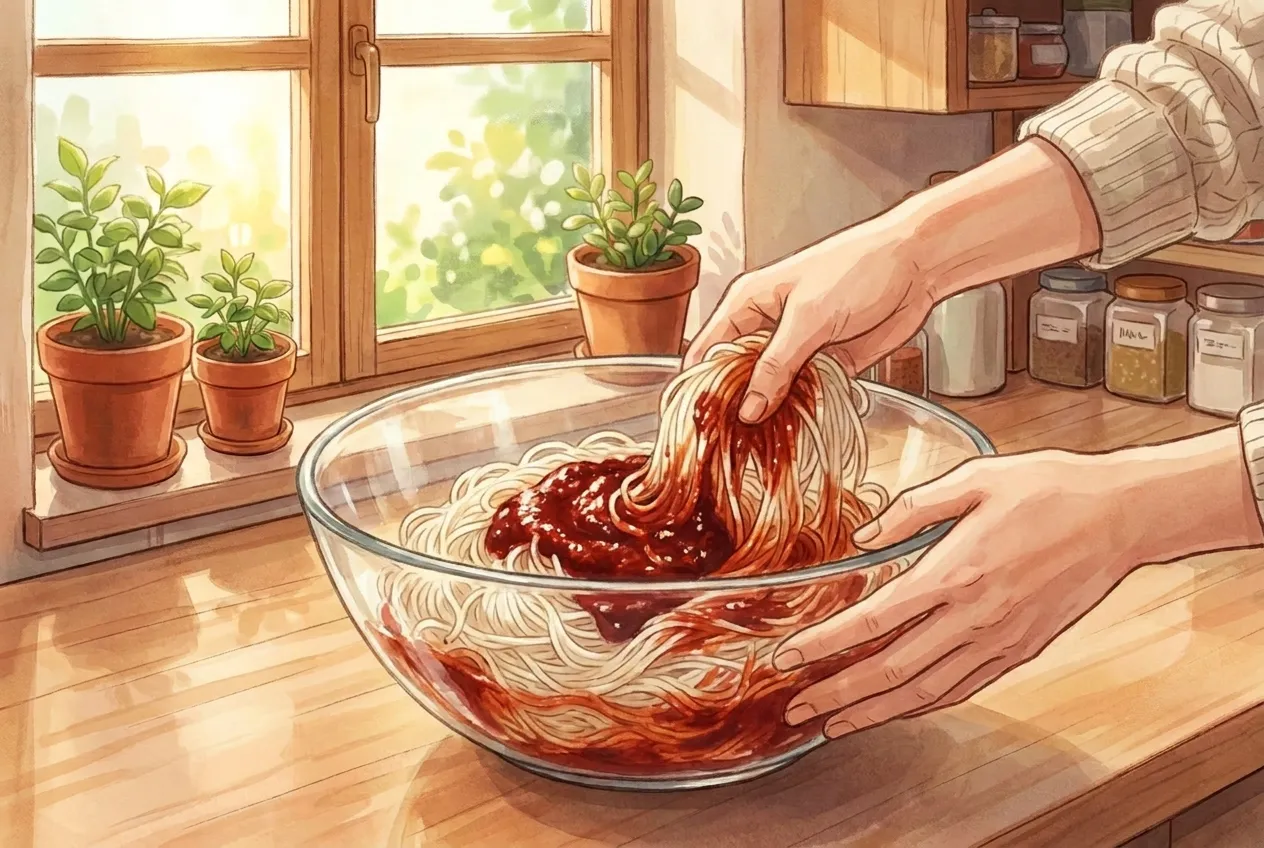
- 5 Toss the noodles in the sauce until they are evenly coated, then divide into two bowls.
- 6 Top with the cucumber, the halved eggs and the sesame seeds, and serve right away.

국룰Rinse the noodles in cold water and squeeze them well — they stay springy and the sauce does not turn watery.
Substitution Guide
About the Noodles and the Sauce — Here's What to Do
Two things trip people up: somyeon noodles and gochujang. Here's the good news: you can make a great bowl with any thin noodle and a spoon of chili paste.
Use this — no need to look further
Somyeon noodles from an Asian grocery store are ideal. If you can't find them, use thin angel hair pasta or Japanese somen, cooked to the package directions.
If you can't find gochujang or gochugaru
- Sriracha or sambal oelek with 1 teaspoon of sugar and 1 teaspoon of miso per tablespoon of gochujang
- Paprika with a pinch of cayenne for gochugaru
- For a mild bowl, use 1 tablespoon of gochujang and add 1 tablespoon of ketchup
If you don't have cucumber
Use shredded lettuce, carrot, or kimchi. The topping is there for crunch and freshness, so any crisp vegetable works.
Why it matters (so you're not just guessing next time)
Bibim-guksu is built from three jobs: springy cold noodles, a sauce that balances sweet, sour and spicy, and a fresh crunchy topping. As long as those three jobs get done, you can swap individual ingredients with confidence.
A Couple More Notes
Make It Ahead
Mix the sauce in the morning, and boil the noodles just before eating. The noodles don't keep well once they are dressed.
With Kimchi
Many Korean cooks add a spoonful of chopped sour kimchi and its juice for extra tang.
Want to Go Further?
Once you're ready to stock two or three Korean pantry staples, a much wider range of Korean dishes opens up with very little extra effort.
Getting Started with Korean Cooking: The 3 Sauces You Need →Watch It Made
These cooks speak Korean. Press CC in the player, then the gear icon → Subtitles → Auto-translate to read along in your language.

Cooks' versions
Made it your way? Show us.
Swapped an ingredient, changed the heat, plated it differently? Add a photo and a few words — we'll turn it into a pretty card right here on the Bibim-guksu page, so the next cook can follow your lead.
Spotted a mistake, or have an idea?
Tell us what to fix or improve in this recipe. This is not a public comment — it goes straight to the K-food team.
Made this with a different swap that worked well? Let us know in the comments — it helps the next person who gets stuck on this step.