
Recipe · Kimchi · Serves 8 as a side
It's Okay — You Can Make Kkakdugi, Korea's Crunchy Cubed Radish Kimchi, at Home
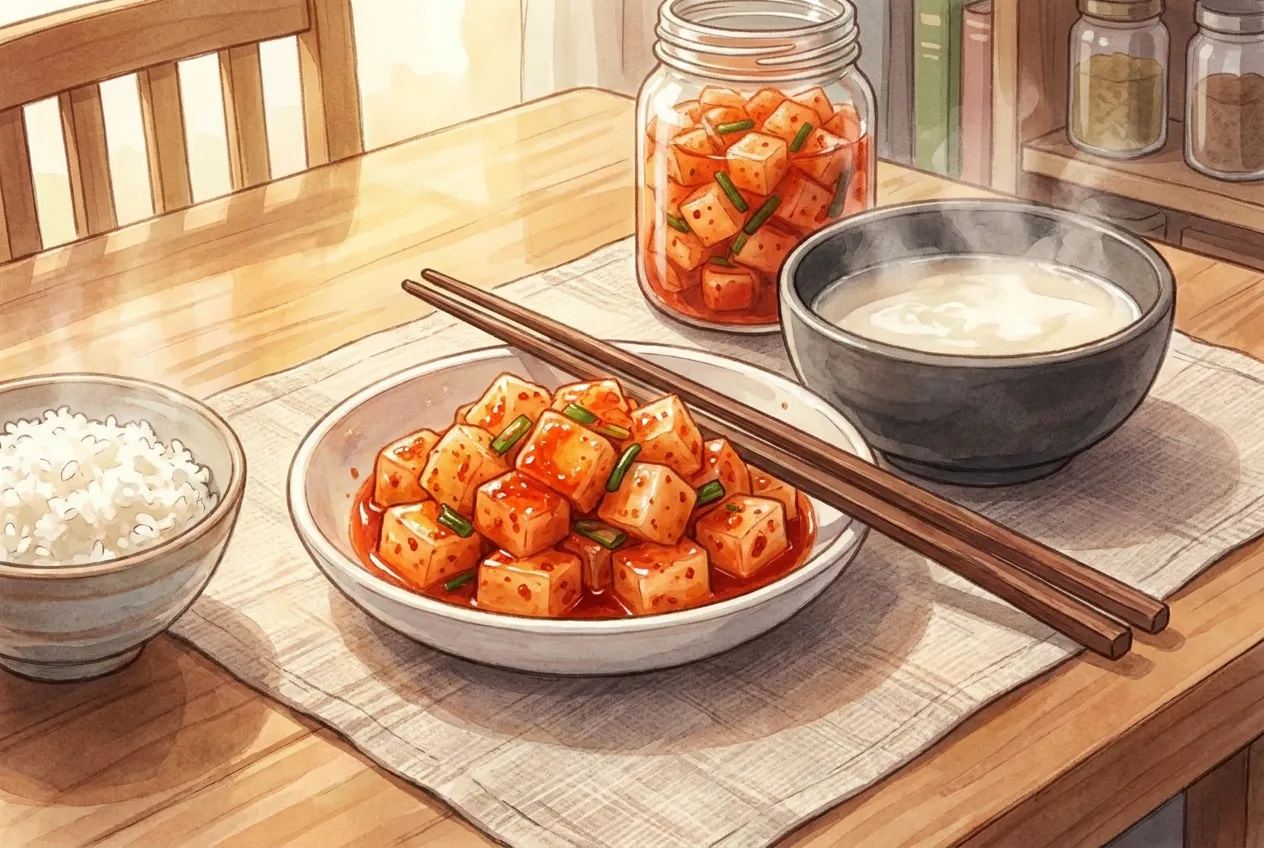
Kkakdugi is kimchi made from cubes of Korean radish, tossed in a red chili paste and left to ferment into something crunchy, tangy and a little sweet. It is the classic side for rich soups like seolleongtang and gomtang. It is one of the easiest kimchis for a first try, because there is no cabbage to salt and rinse. If you don't have every ingredient on this list, that's fine — keep reading before you decide to skip it.
Before You Shop: Quick Ingredient Check
- Korean radish (mu)substitute below
- Gochugaru (Korean chili flakes)substitute below
- Sweet rice flour (chapssal-garu)substitute below
- Fish sauce, garlic, ginger, sugar, green onionseasy anywhere
Nothing here is a dealbreaker. Let's cook.
Ingredients (serves 8)
 1.5 kg (3.3 lb) Korean radish or daikon, peeled
- 2 tbsp coarse sea salt
- 1 tbsp sugar, for salting
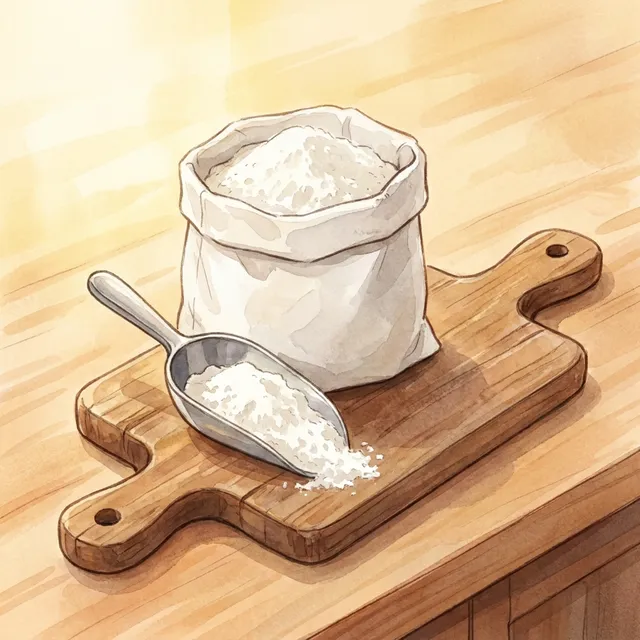 1 tbsp sweet rice flour (chapssal-garu)
- ½ cup (120 ml) water, for the porridge
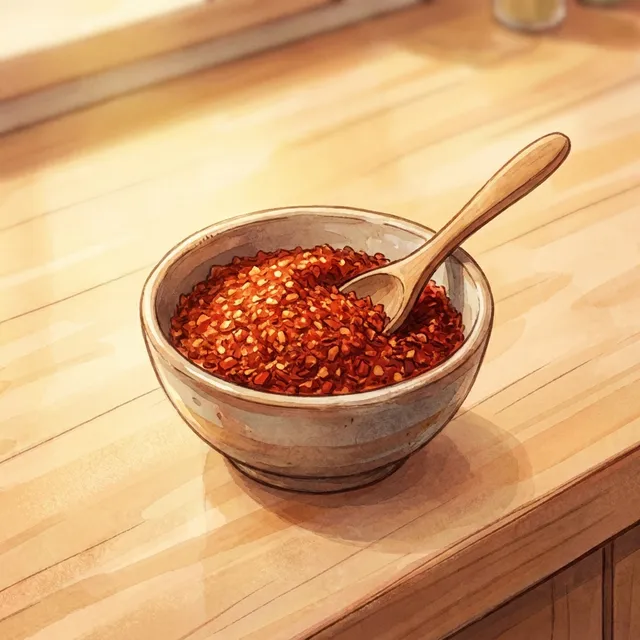 5 tbsp gochugaru (Korean chili flakes)
- 3 tbsp fish sauce
- 1 tbsp minced garlic
- ½ tsp minced ginger
- 1 tbsp sugar, for the paste
 4 green onions, cut into 3cm (1¼ in) lengths
Steps
- 1 Wash and peel the radish, then cut it into 2cm (¾ in) cubes.
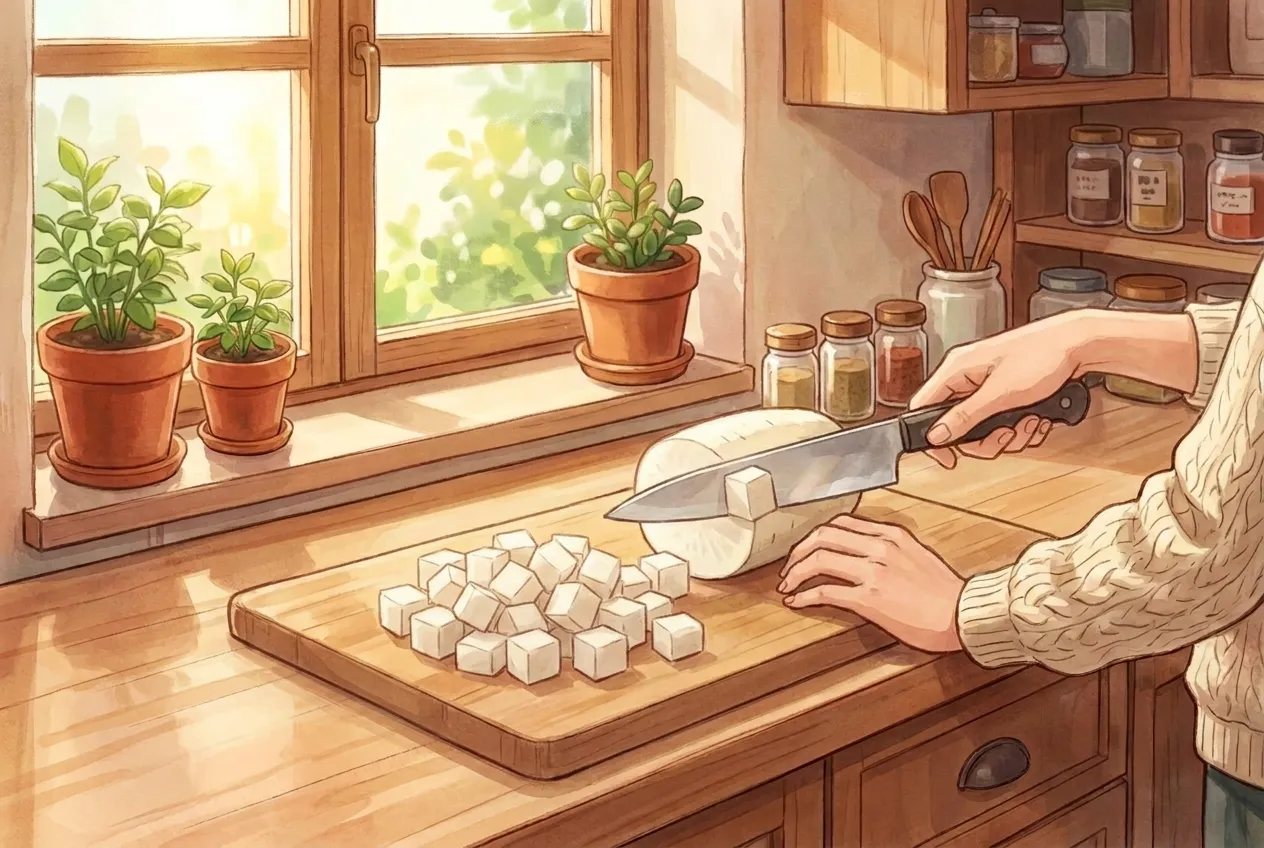
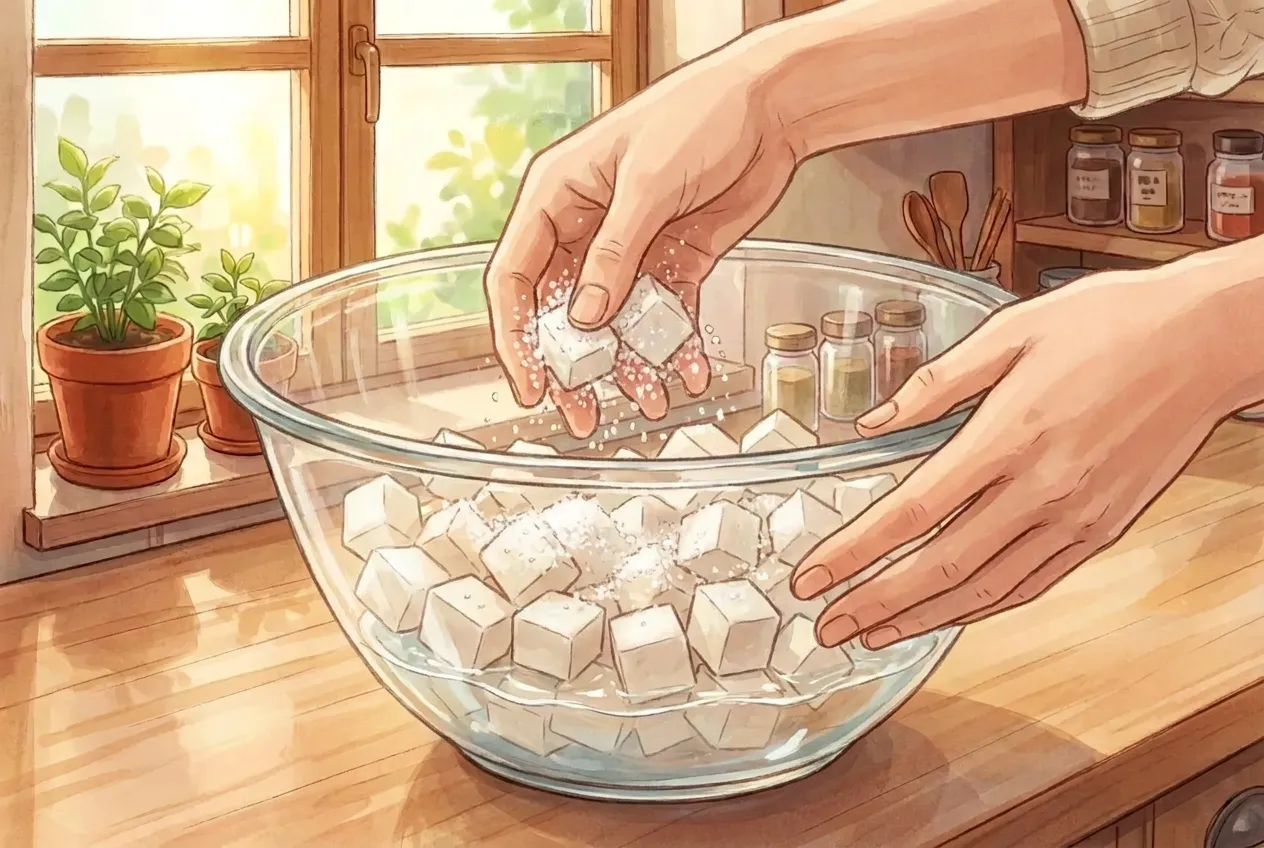
- 2 Toss the cubes in a large bowl with the salt and the 1 tbsp sugar. Let stand for 30 minutes, turning once or twice, until the radish gives off water. Drain well, but do not rinse.
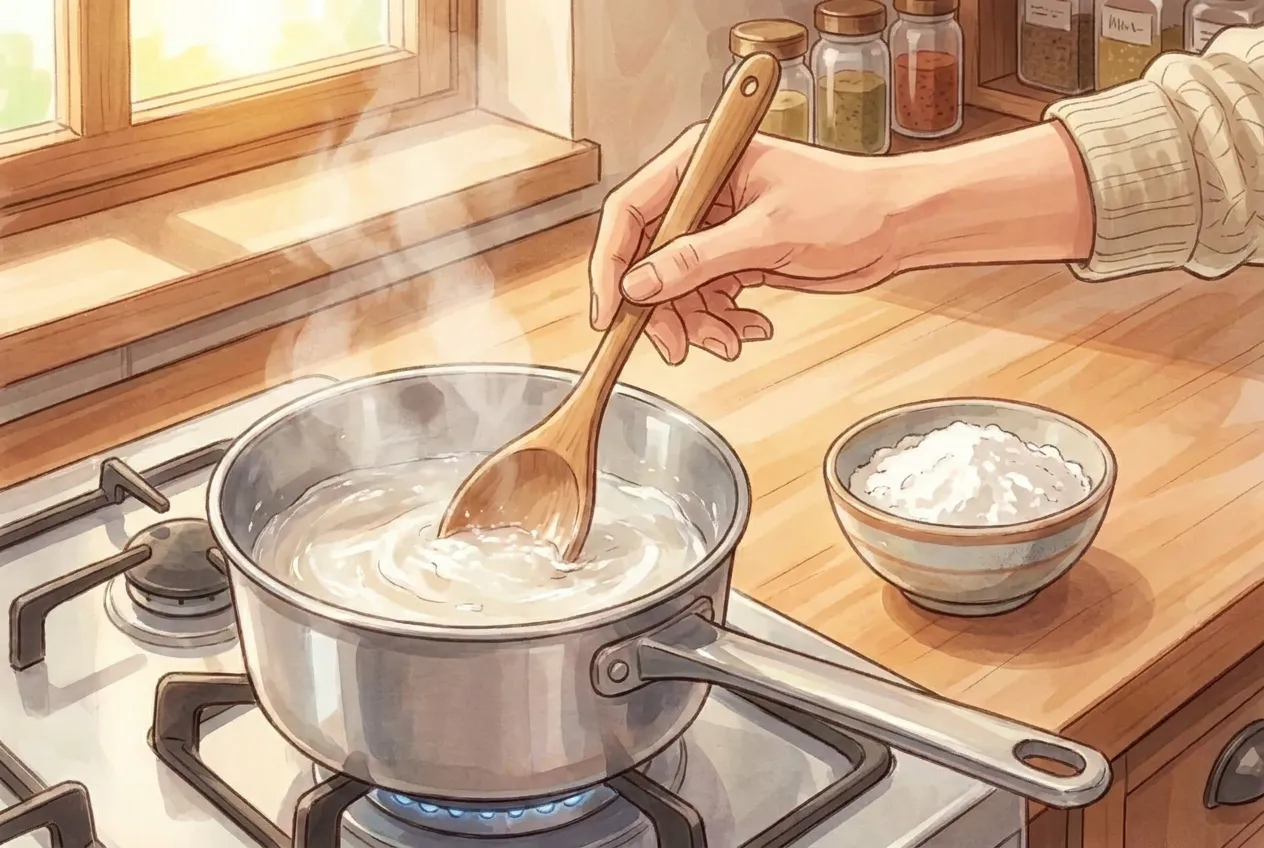
- 3 Stir the sweet rice flour into the ½ cup water in a small pot. Cook over medium-low heat for 2–3 minutes, stirring, until it thickens into a thin paste. Let it cool completely.
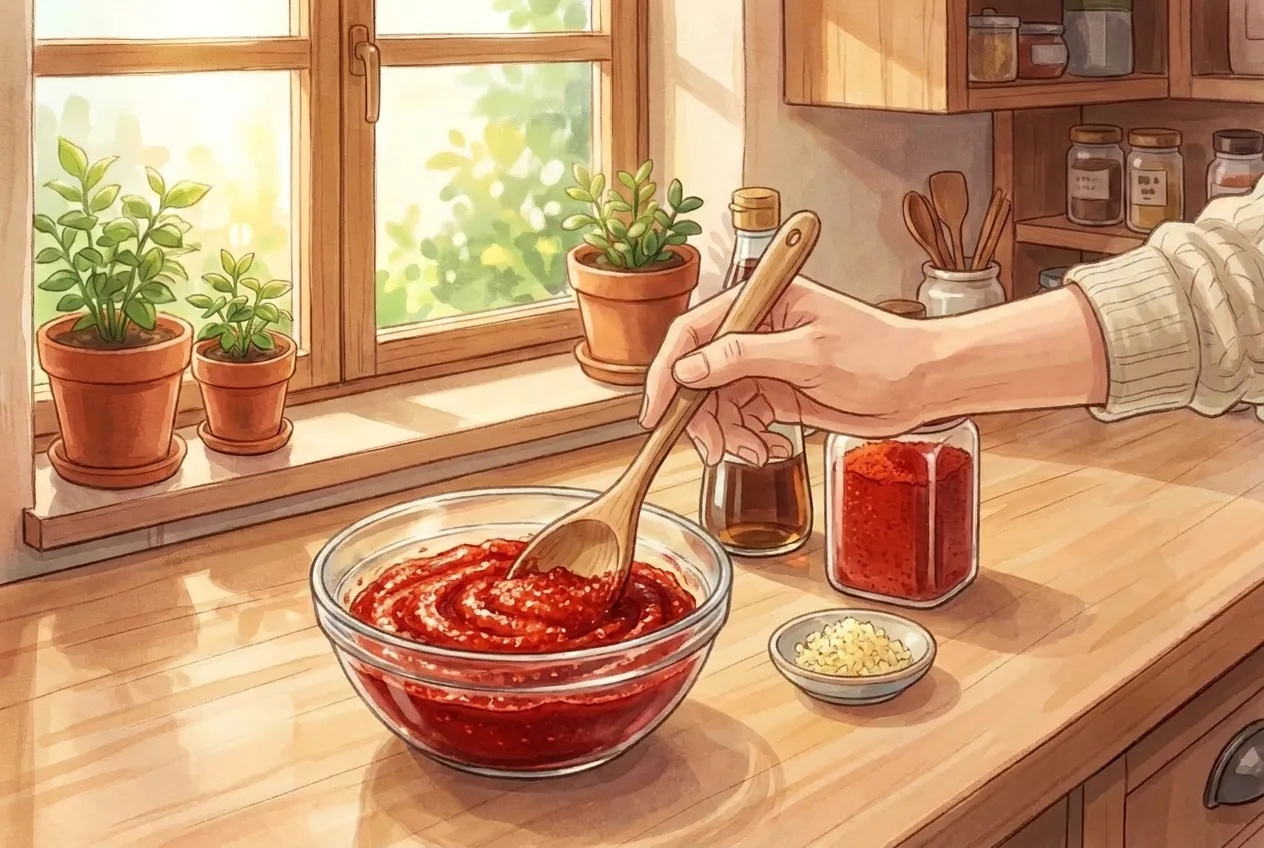
- 4 Mix the cooled paste with the gochugaru, fish sauce, garlic, ginger and the 1 tbsp sugar. Let it sit 10 minutes so the chili color blooms.
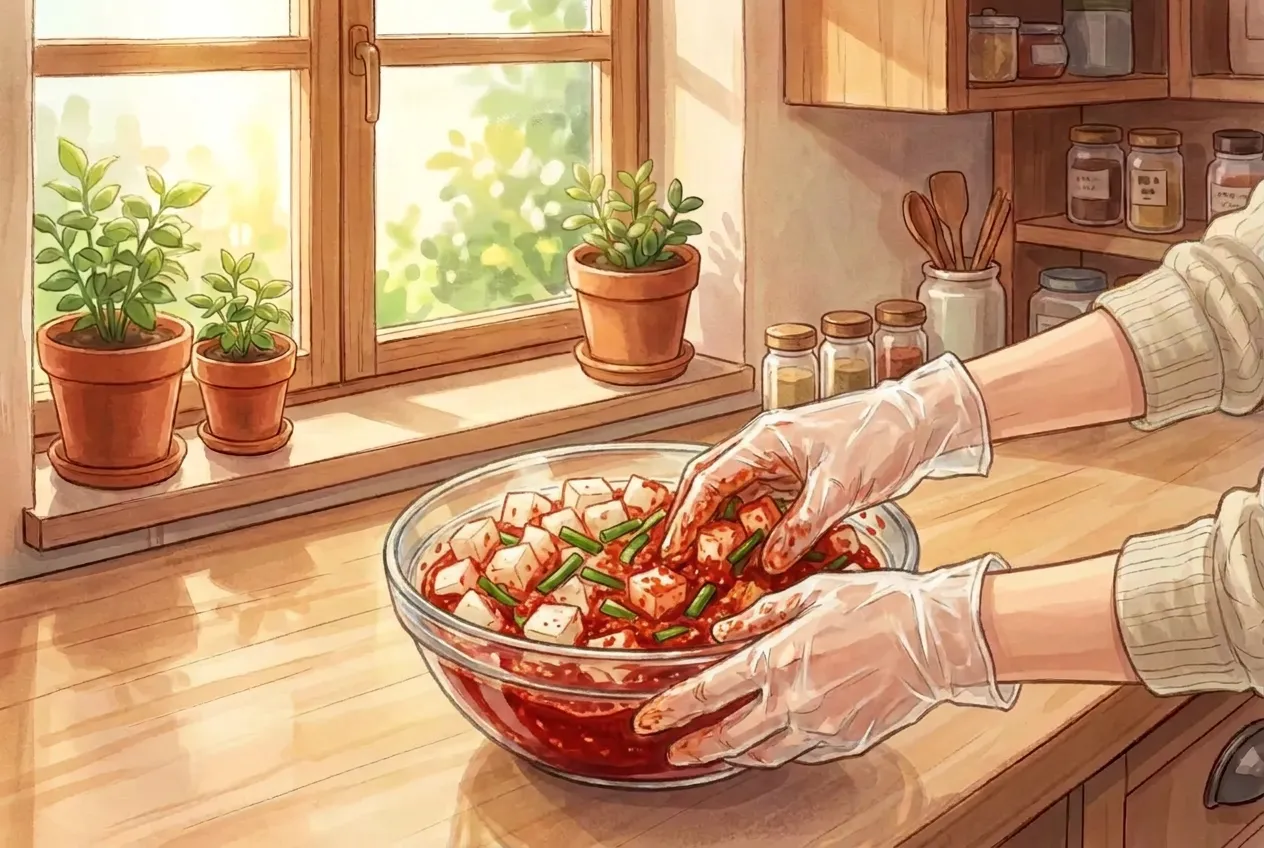
- 5 Add the radish and green onions to the paste. Wearing gloves, toss and press until every cube is evenly coated in red.
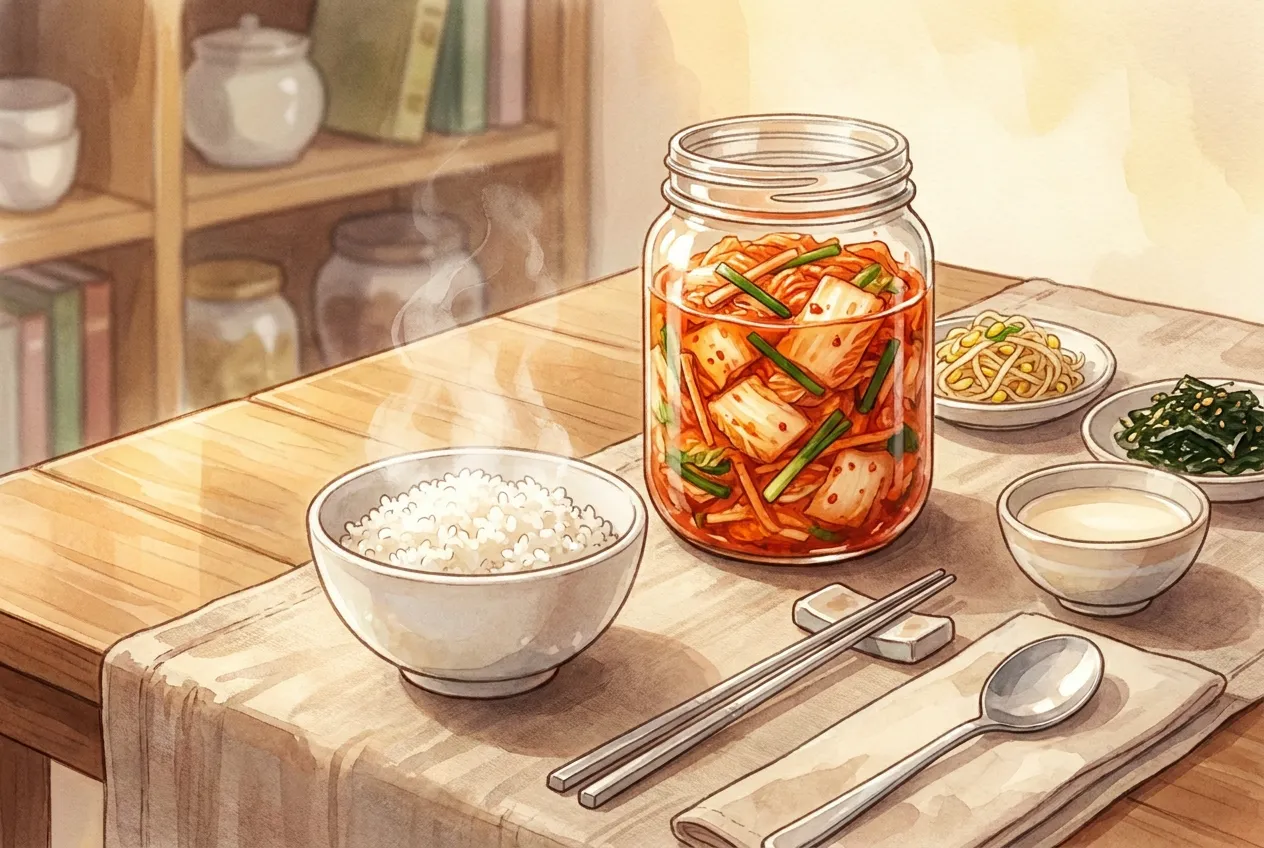
- 6 Pack the kkakdugi tightly into a clean glass jar, pressing down so the liquid rises. Leave 3cm (1¼ in) of space at the top.
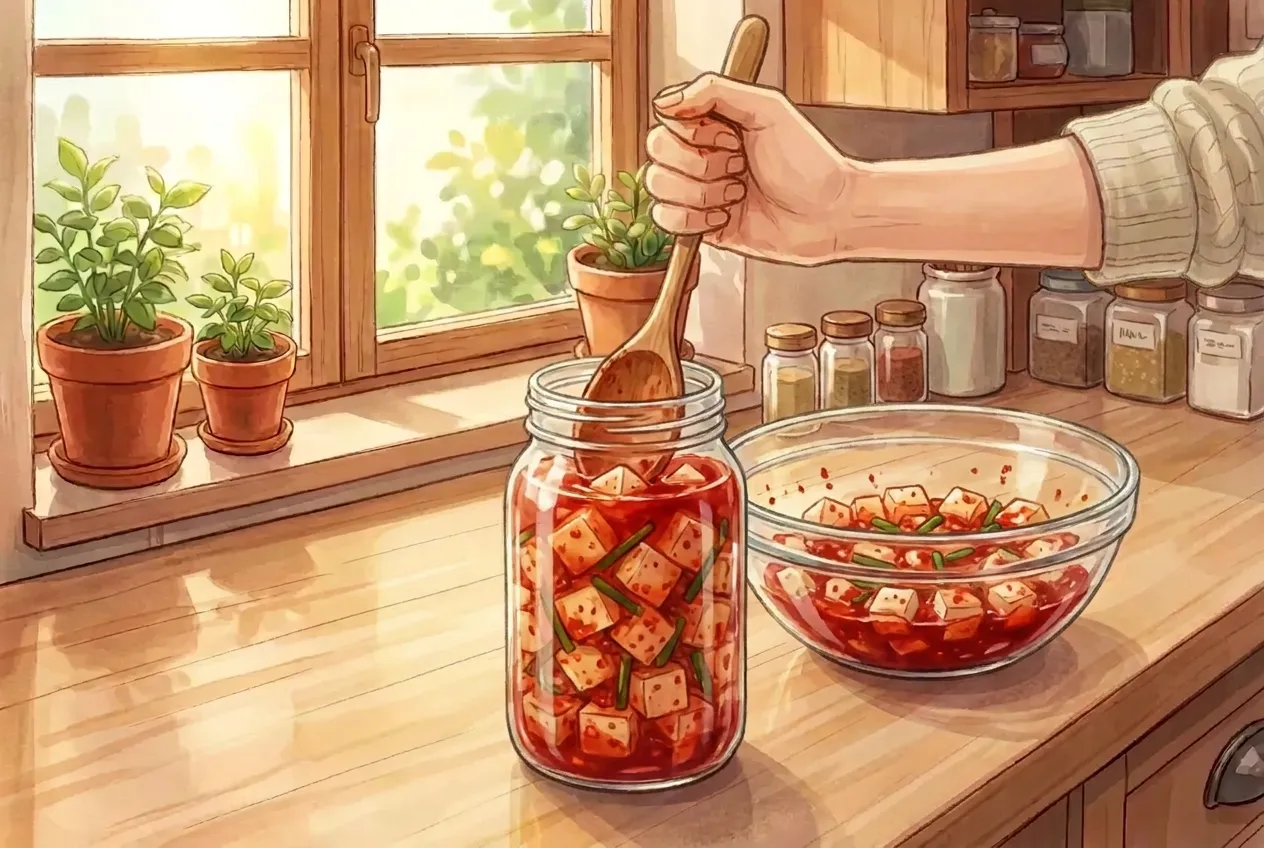
- 7 Leave the jar at room temperature for 1–2 days, until tiny bubbles form and it smells pleasantly sour. Then refrigerate. It tastes best after 2–3 more days and keeps for several weeks.
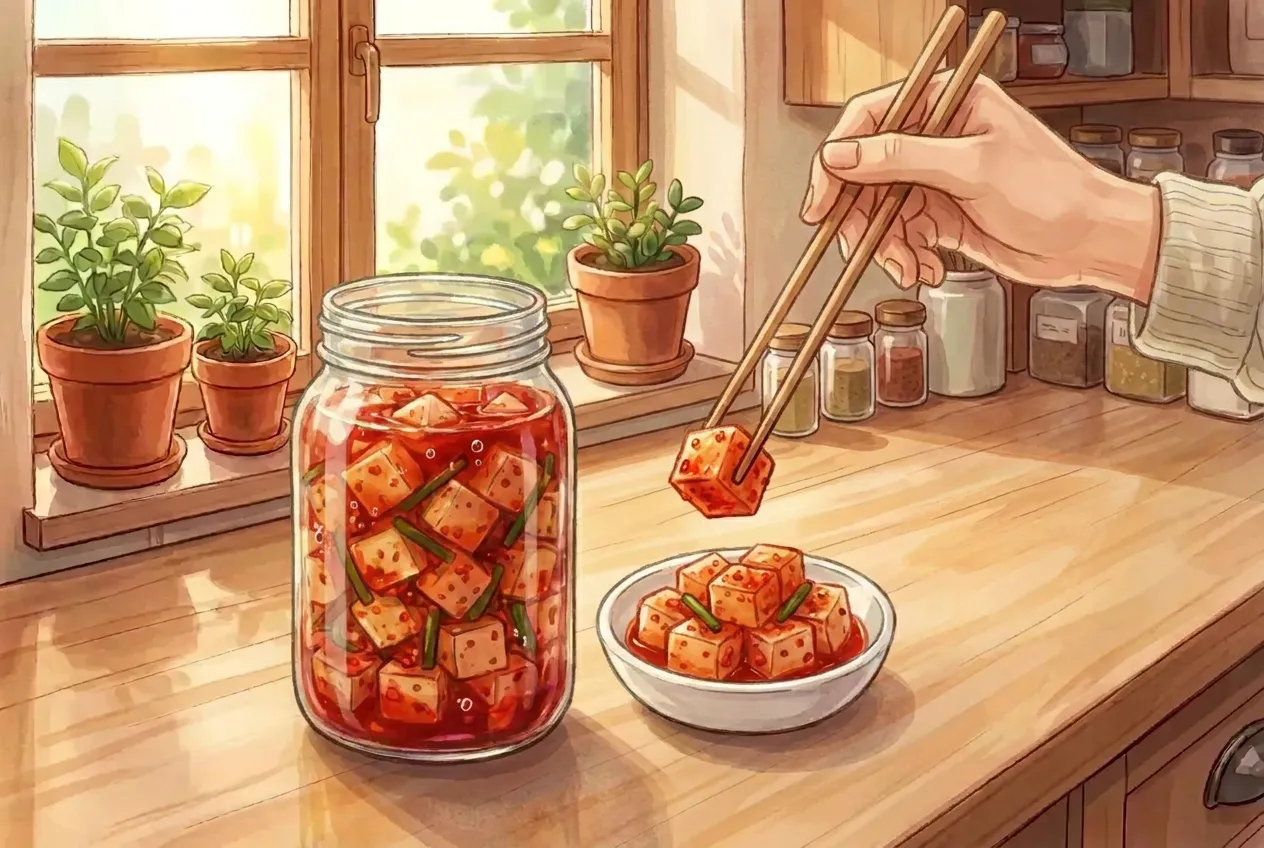
국룰Salt the radish first with a little sugar and don't rinse it. This draws out water so the cubes stay crunchy, and the seasoning clings to them instead of being diluted.
Substitution Guide
About the Radish, Chili and Rice Flour — Here's What to Do
Three things might send you shopping: Korean radish, gochugaru and sweet rice flour. Here's the good news: kkakdugi is just radish, chili and a few seasonings, so the swaps below keep the crunch.
Use this — no need to look further
Korean radish (mu) from an Asian grocery store, which is stout and light green at the top, plus gochugaru and sweet rice flour (chapssal-garu) in the same shop. Korean radish is dense and a little sweet.
If you can't find them
- Daikon in place of Korean radish: use the same weight, and salt it about 10 minutes longer if it is juicy
- Mild paprika plus a pinch of cayenne in place of gochugaru: use the same amount and adjust to taste
- Plain cooked rice or a bit of cornstarch slurry in place of sweet rice flour: or just skip the porridge and use a pinch more sugar
- 2 tbsp soy sauce plus 1 tbsp water in place of fish sauce for a vegetarian version: taste and add salt if needed
If your radish tastes bitter or watery
Radish varies by season. Fall radish is sweetest. If yours is sharp, add an extra teaspoon of sugar, and let the kkakdugi ferment a day longer before refrigerating.
Why it matters (so you're not just guessing next time)
Kkakdugi is built from three jobs: salting to keep the radish crunchy, a chili paste that seasons and feeds fermentation, and a few days of fermenting that develop tang. As long as those three jobs get done, you can swap individual ingredients with confidence.
A Couple More Notes
How to Tell It's Ready
Taste a cube each day. When it is lightly tangy and still crunchy, move it to the fridge. Slow fermentation in the cold keeps it crisp for weeks.
Use the Juice
Aged kkakdugi gets very sour. Stir the juice into fried rice or use the old cubes in kimchi stew, where the sourness is a plus.
Want to Go Further?
Once you're ready to stock two or three Korean pantry staples, a much wider range of Korean dishes opens up with very little extra effort.
Getting Started with Korean Cooking: The 3 Sauces You Need →Watch It Made
These cooks speak Korean. Press CC in the player, then the gear icon → Subtitles → Auto-translate to read along in your language.
Cooks' versions
Made it your way? Show us.
Swapped an ingredient, changed the heat, plated it differently? Add a photo and a few words — we'll turn it into a pretty card right here on the Kkakdugi page, so the next cook can follow your lead.
Spotted a mistake, or have an idea?
Tell us what to fix or improve in this recipe. This is not a public comment — it goes straight to the K-food team.
Made this with a different swap that worked well? Let us know in the comments — it helps the next person who gets stuck on this step.