
Recipe · Lunchbox · Makes 5-6 rice balls
It's Okay — You Can Make Jumeokbap, Korea's Hand-Pressed Rice Balls, at Home
Jumeokbap (주먹밥) literally means 'fist rice': warm rice mixed with a few tasty bits and squeezed into a ball. It needs no special tools, and if you are missing one of the fillings, there is an easy way around it.
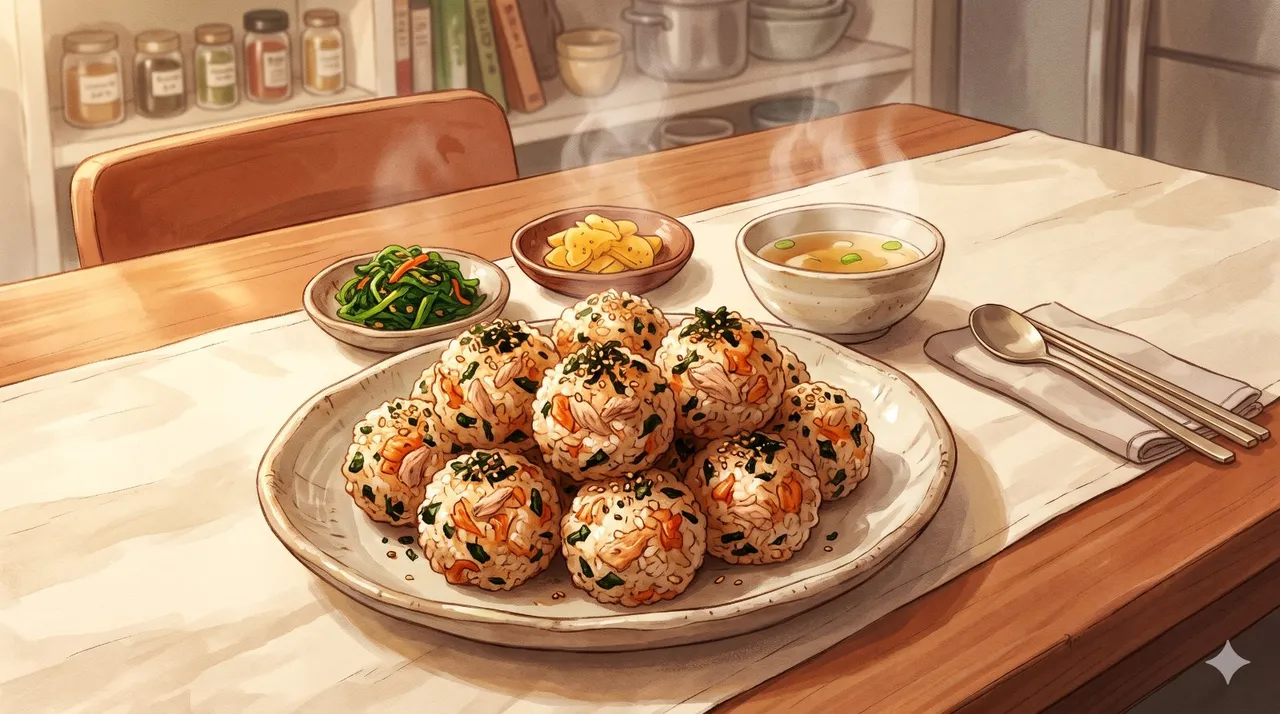
Before You Shop: Quick Ingredient Check
- Short-grain ricesushi rice or any sticky rice works
- Canned tunaeasy everywhere
- Kimchieasy to substitute — see below
- Toasted sesame oilnice to have; a neutral oil still works
- Roasted seaweed (gim)optional, adds a savory crunch
Nothing here is a dealbreaker. Let's roll.
Ingredients (makes 5-6 rice balls)
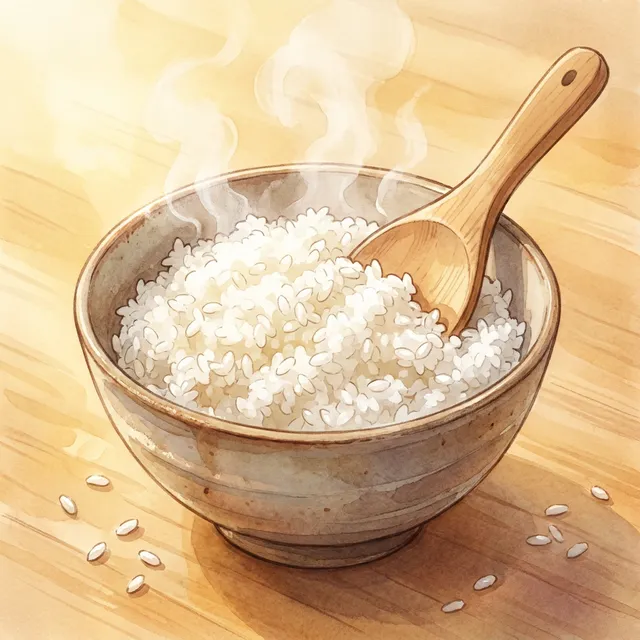 2 cups (about 400g) cooked short-grain rice, warm
- 1 small can (about 100g) tuna, well drained
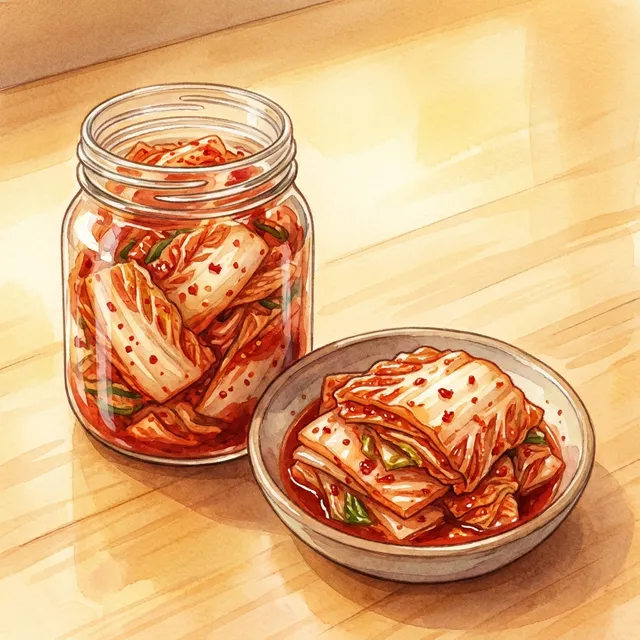 ½ cup finely chopped kimchi, squeezed dry
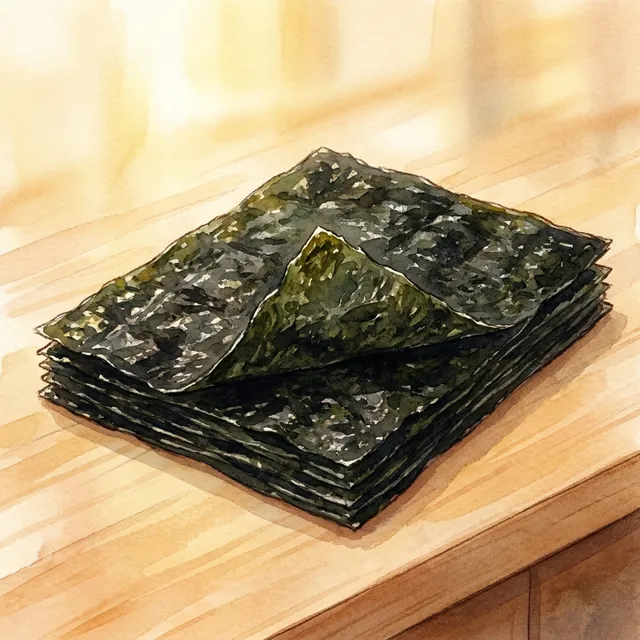 1 sheet roasted seaweed, crumbled
 1 tbsp toasted sesame oil
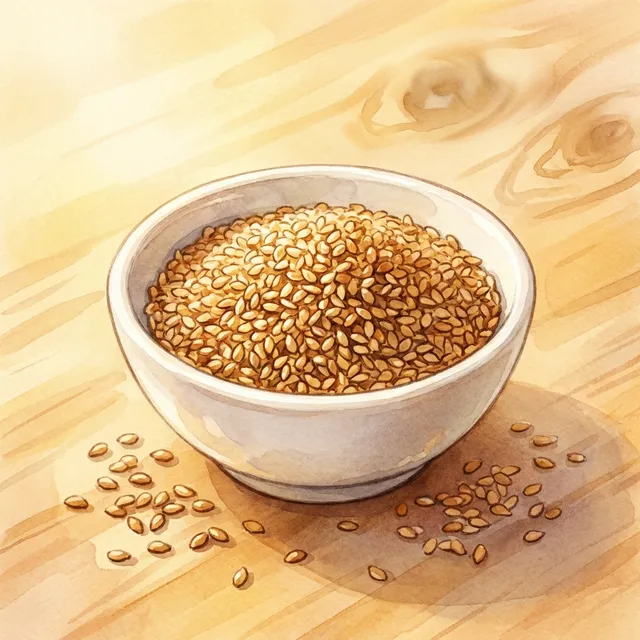 1 tsp toasted sesame seeds
- A pinch of salt, to taste
Steps
- 1 Cook short-grain rice and let it cool for about 5 minutes, until it is warm but no longer steaming. Warm rice sticks together; piping-hot rice burns your hands.

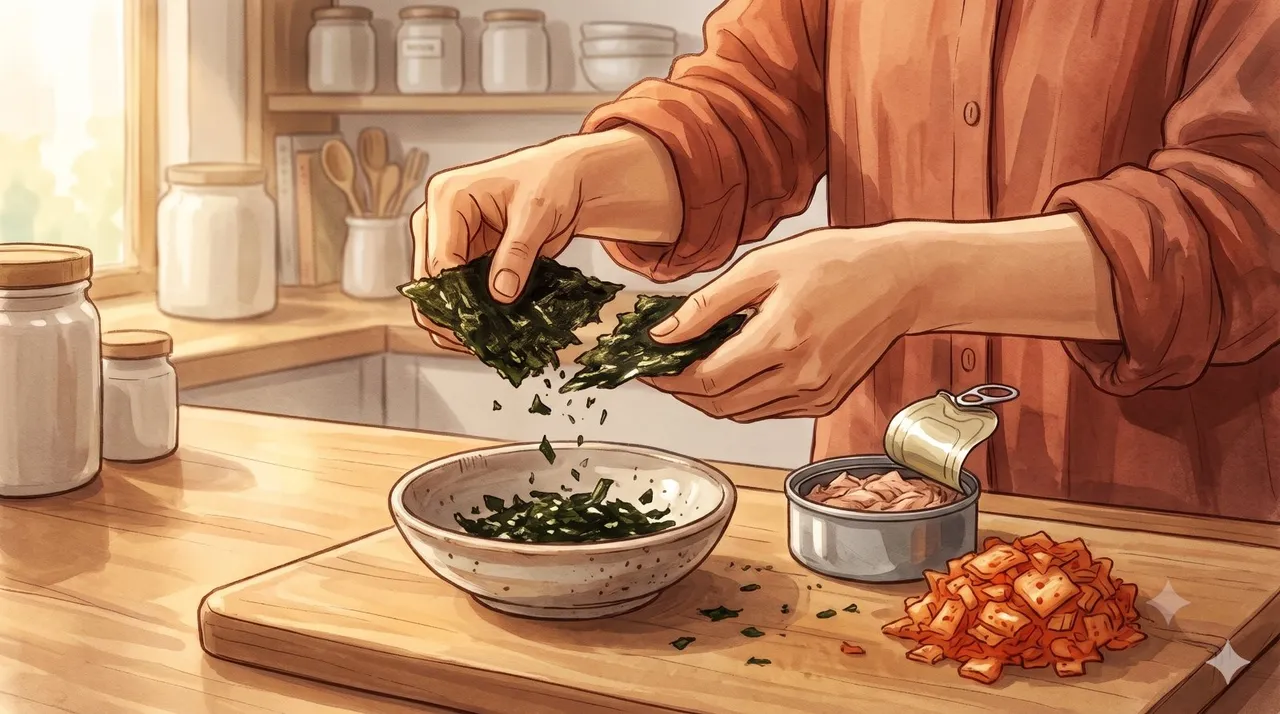
- 2 Drain 1 small can of tuna well. Squeeze the kimchi dry and chop it finely. Crumble the roasted seaweed into small flakes with your fingers.
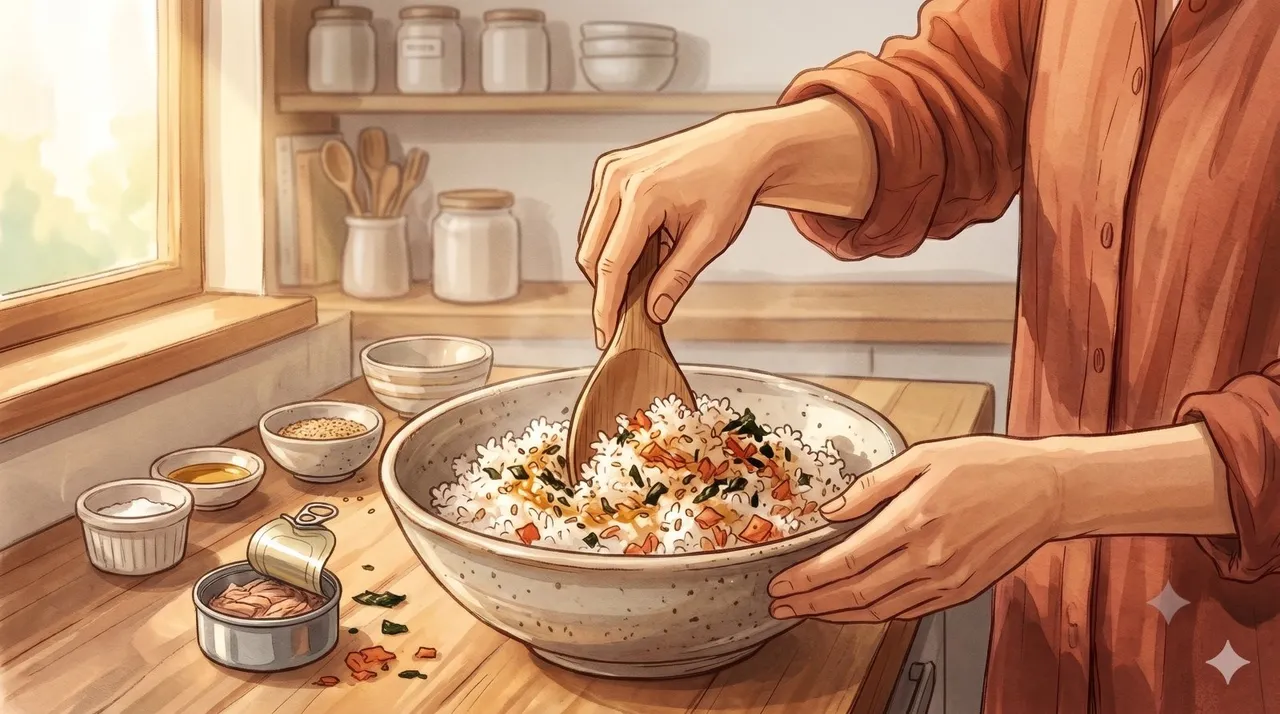
- 3 Add the tuna, kimchi, seaweed, 1 tbsp toasted sesame oil, 1 tsp toasted sesame seeds and a pinch of salt to the rice. Mix with a rice paddle using cutting motions, so the grains stay separate and do not turn mushy.
- 4 Wet your hands (or wear thin food-safe gloves), scoop about 3 tbsp of rice, and squeeze it into a firm ball, rolling it in your palms 4 to 5 times. It should hold together when you set it down; if it crumbles, press a little harder.
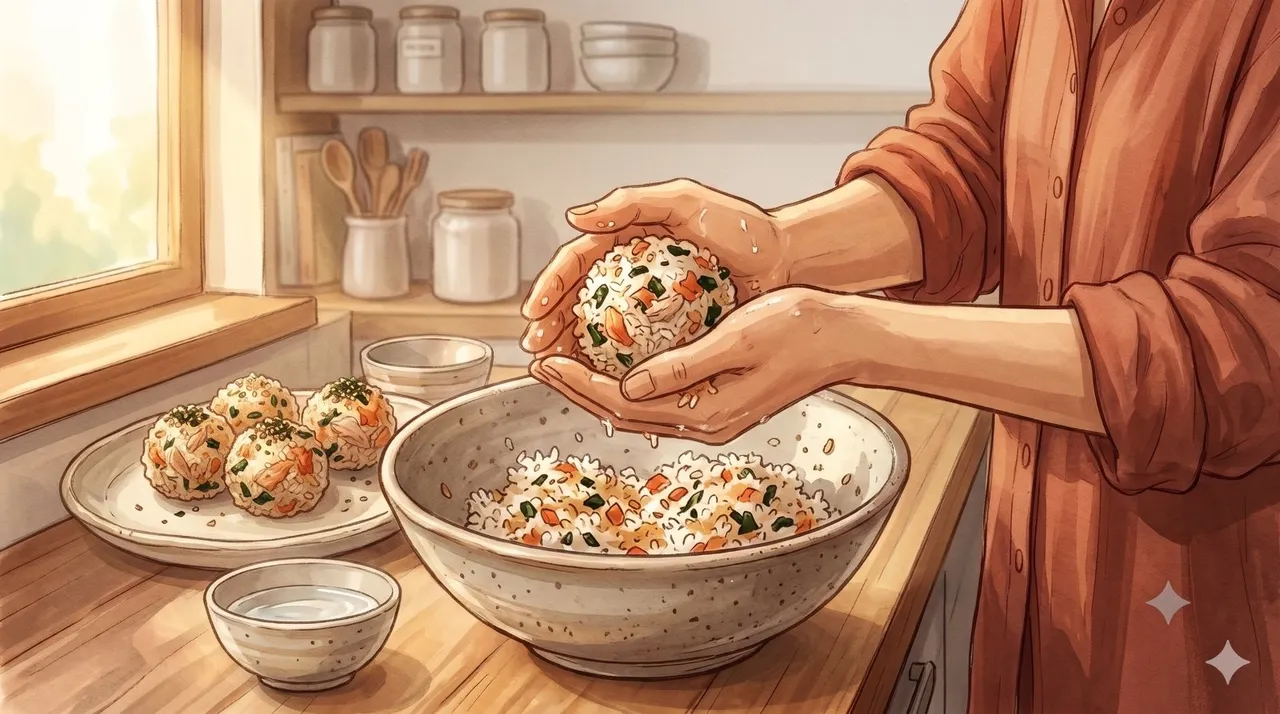
- 5 Serve right away, or wrap each ball in plastic wrap for a lunchbox. They keep well for a few hours at cool room temperature, or in the fridge for a day.
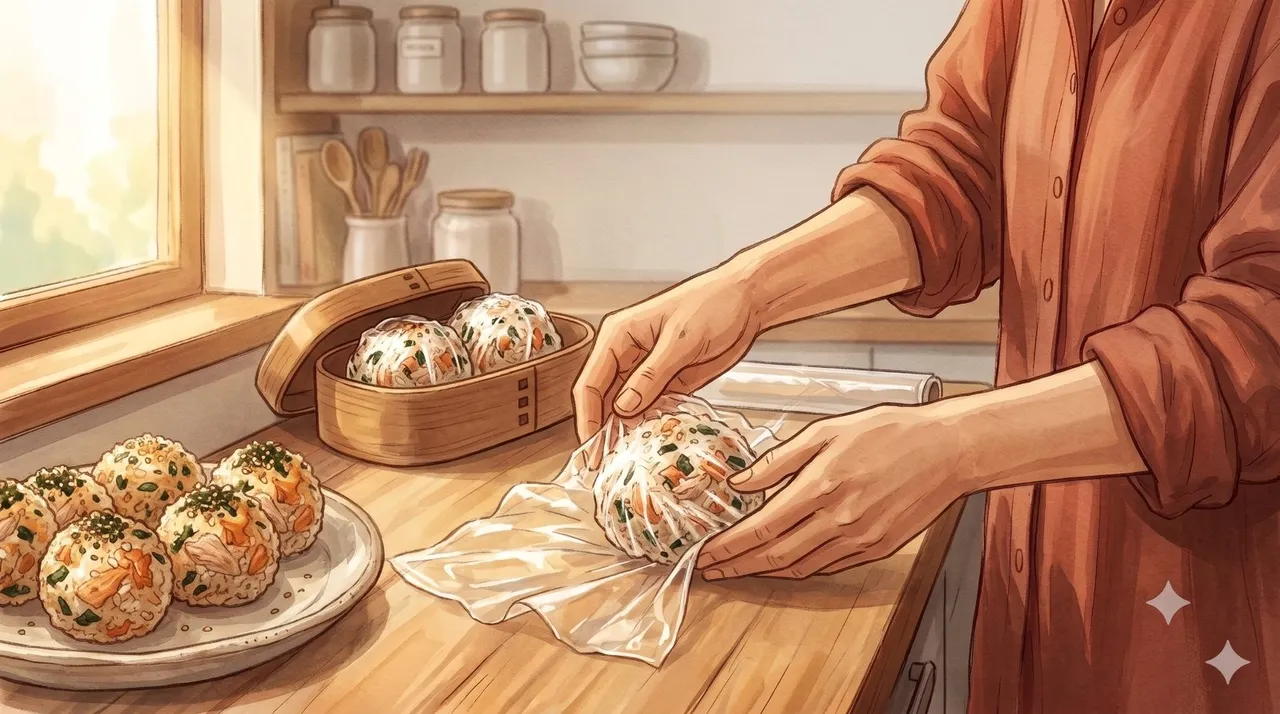
꿀팁Squeezing dry the kimchi and draining the tuna is the whole secret: wet fillings make the rice balls fall apart.
Substitution Guide
About the Kimchi — Here's What to Do
Kimchi (배추김치, baechu-kimchi) adds salt, tang and a gentle kick. If you don't have a jar, you can still make a very good rice ball.
Use this — no need to look further
Any store-bought kimchi. Even a small jar from the supermarket works. Chop it finely and squeeze out the liquid so the rice stays dry enough to hold its shape.
If you can't find kimchi
- Finely chopped pickles or sauerkraut, squeezed dry — tangy and crunchy, though without the chili heat
- A pinch of chili flakes mixed with the tuna if you want a little spice
If you have none of the above
Leave it out. Tuna, sesame oil, seaweed and salt on warm rice already make a tasty rice ball; add an extra pinch of salt and sesame seeds and you are done.
Why it matters (so you're not just guessing next time)
In jumeokbap, kimchi is the tangy, salty counterpoint to plain rice. Anything that is tangy, salty and not wet can play that part, which is also why jumeokbap works with so many fillings once you know the idea.
Want to Go Further?
A bowl of rice and a few pantry staples go a long way. Once you stock two or three Korean sauces, a much wider range of Korean dishes opens up with very little extra effort.
Getting Started with Korean Cooking: The 3 Sauces You Need →Watch It Made
These cooks speak Korean. Press CC in the player, then the gear icon → Subtitles → Auto-translate to read along in your language.

Cooks' versions
Made it your way? Show us.
Swapped an ingredient, changed the heat, plated it differently? Add a photo and a few words — we'll turn it into a pretty card right here on the Jumeokbap page, so the next cook can follow your lead.
Spotted a mistake, or have an idea?
Tell us what to fix or improve in this recipe. This is not a public comment — it goes straight to the K-food team.
Made these with a different filling that worked well? Tell us in the comments — it helps the next person who is missing an ingredient.