Korean Food Stories · Ingredients
Gochujang: The Red Jar Behind Korean Cooking, and What to Use Until You Find One
It is sweet, savory, spicy and a little funky, and almost every Korean dish you love leans on it. Here is where it comes from, and what to do on the night you run out.
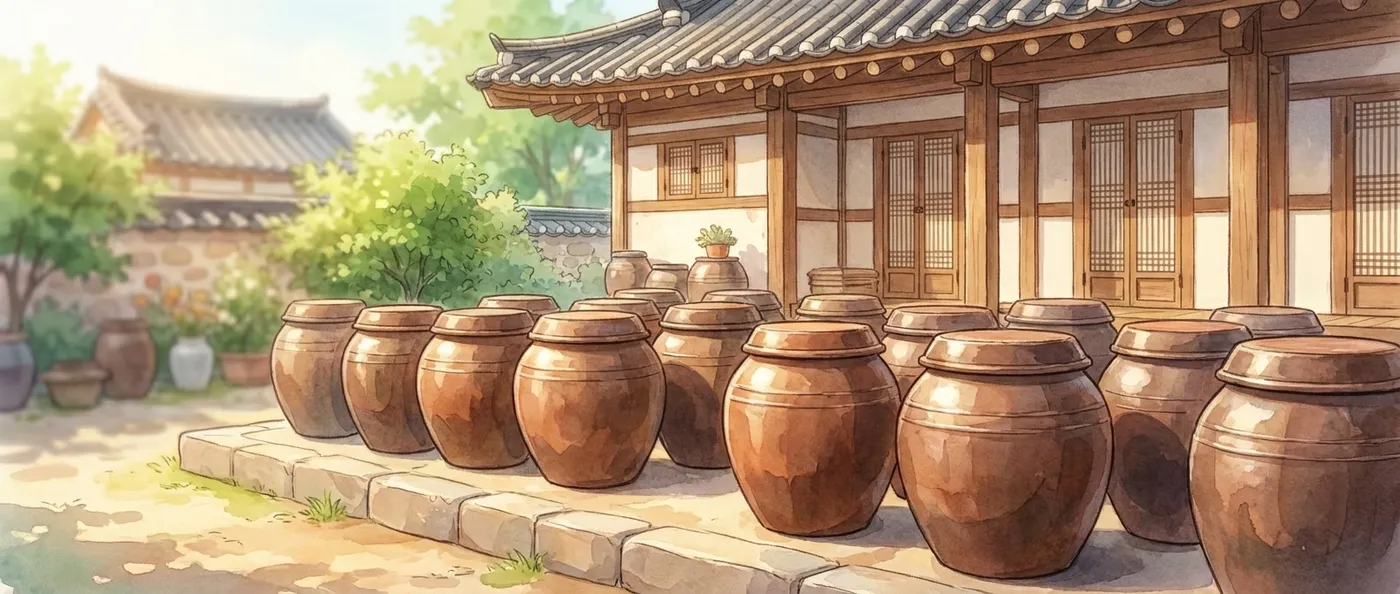
A row of jars in the sun
In the traditional Korean house, the back yard had a small raised stone platform called a jangdokdae. On it stood rows of round earthenware jars, lids on, catching the sun. Inside them, soybeans, salt and chili were quietly turning into the flavors the whole year's cooking would rest on: soy sauce, soybean paste and gochujang.
Gochujang is the red one. It is a thick, dark red paste made from gochugaru (Korean chili powder), glutinous rice, powdered fermented soybeans called meju, malted barley and salt. Nothing in that list is fiery by itself. The magic is time. The rice starch breaks down into sugar as the paste ferments, which is why a good gochujang tastes sweet and deep before the heat arrives.
The paste that came before the chili
Here is the odd part of the story. Old texts mention a Korean "pepper paste" long before chili peppers reached Asia. Chilies come from the Americas and were carried east by Portuguese traders in the early 1500s. One Korean encyclopedia from 1614 notes a newly arrived pepper, and a farming book from around 1700 explains how to grow it. So the pepper in those early records was not the red chili we know today.
Once the chili took root in Korean fields, it changed the national palate. Korean chili peppers are spicy but also noticeably sweet, which suits a fermented paste very well. By the 1700s, writers were describing the gochujang of Sunchang, a county in the south that is still famous for it.
From the back yard to the supermarket
For centuries, a family made its own gochujang each year and guarded the jars. Making it at home began to fade in the early 1970s, when factory-made gochujang reached the shops. Today most Koreans buy a tub, the same way you buy ketchup, and pick a brand the way people argue about ketchup brands.
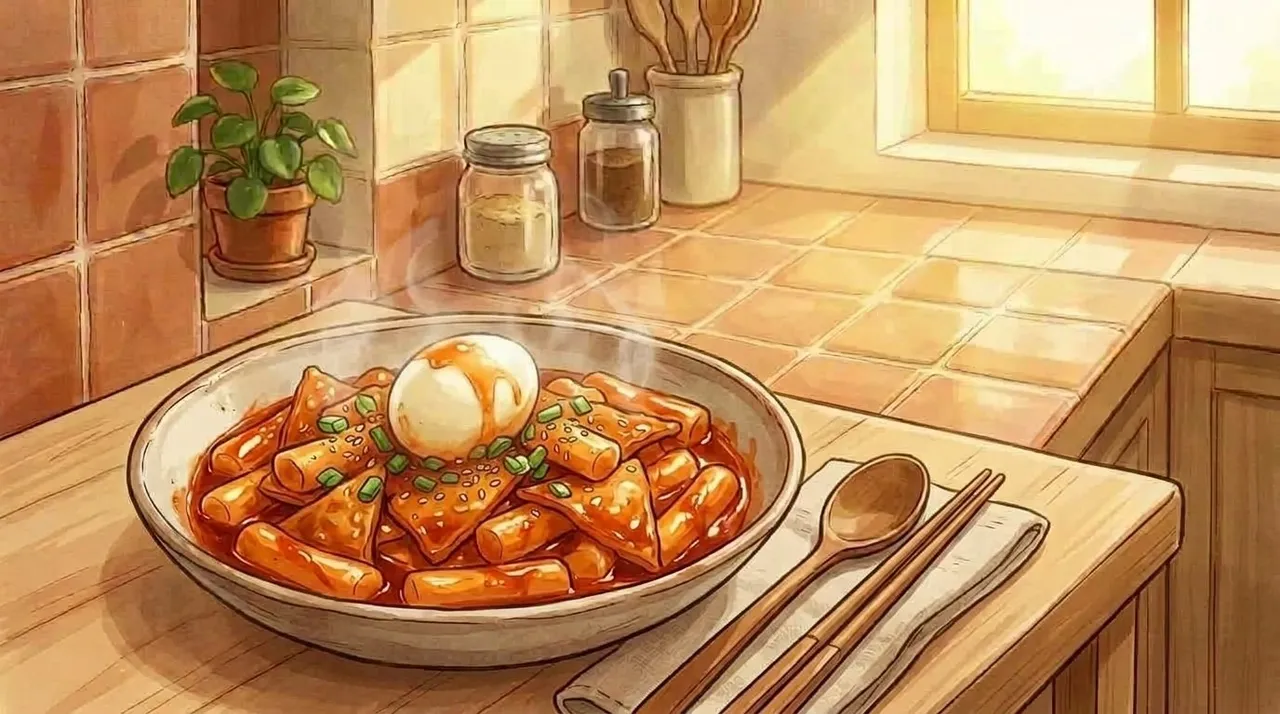
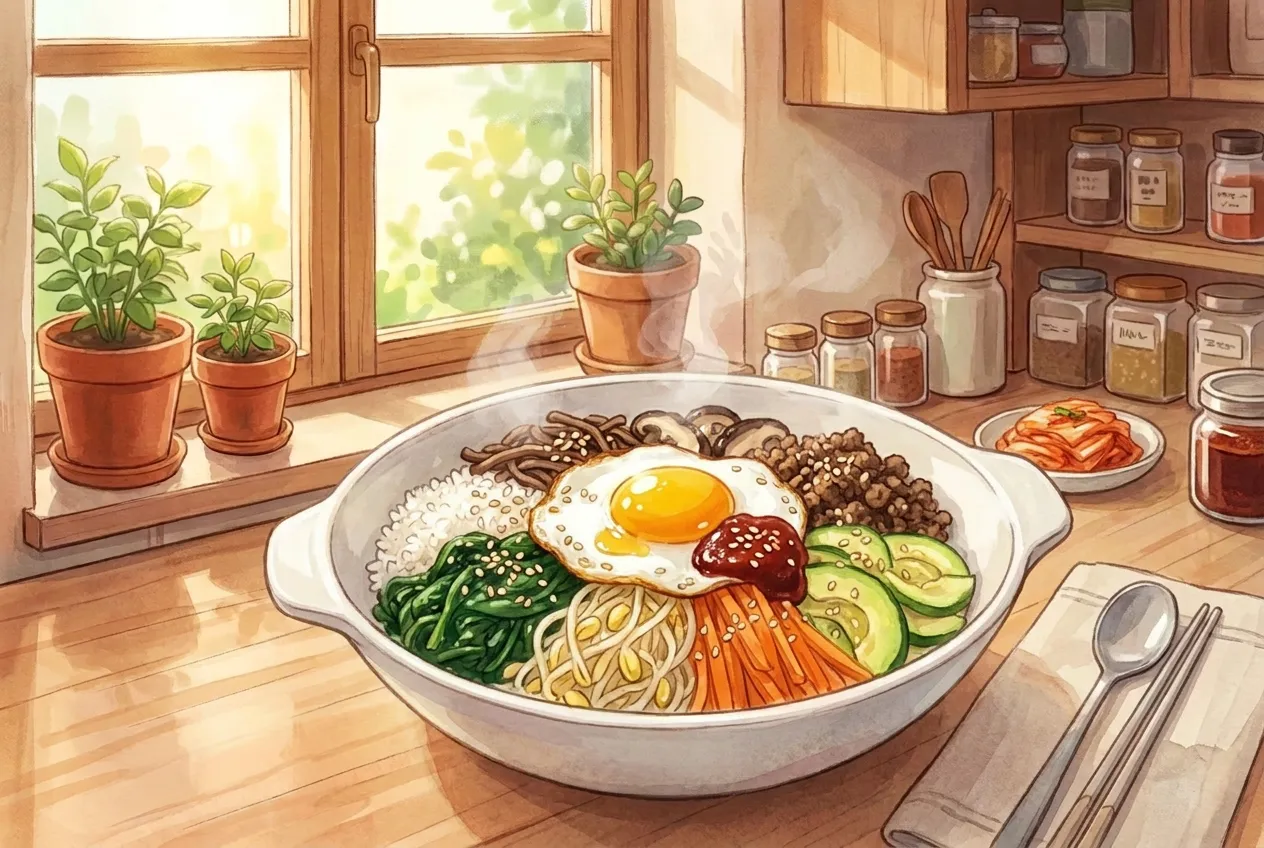
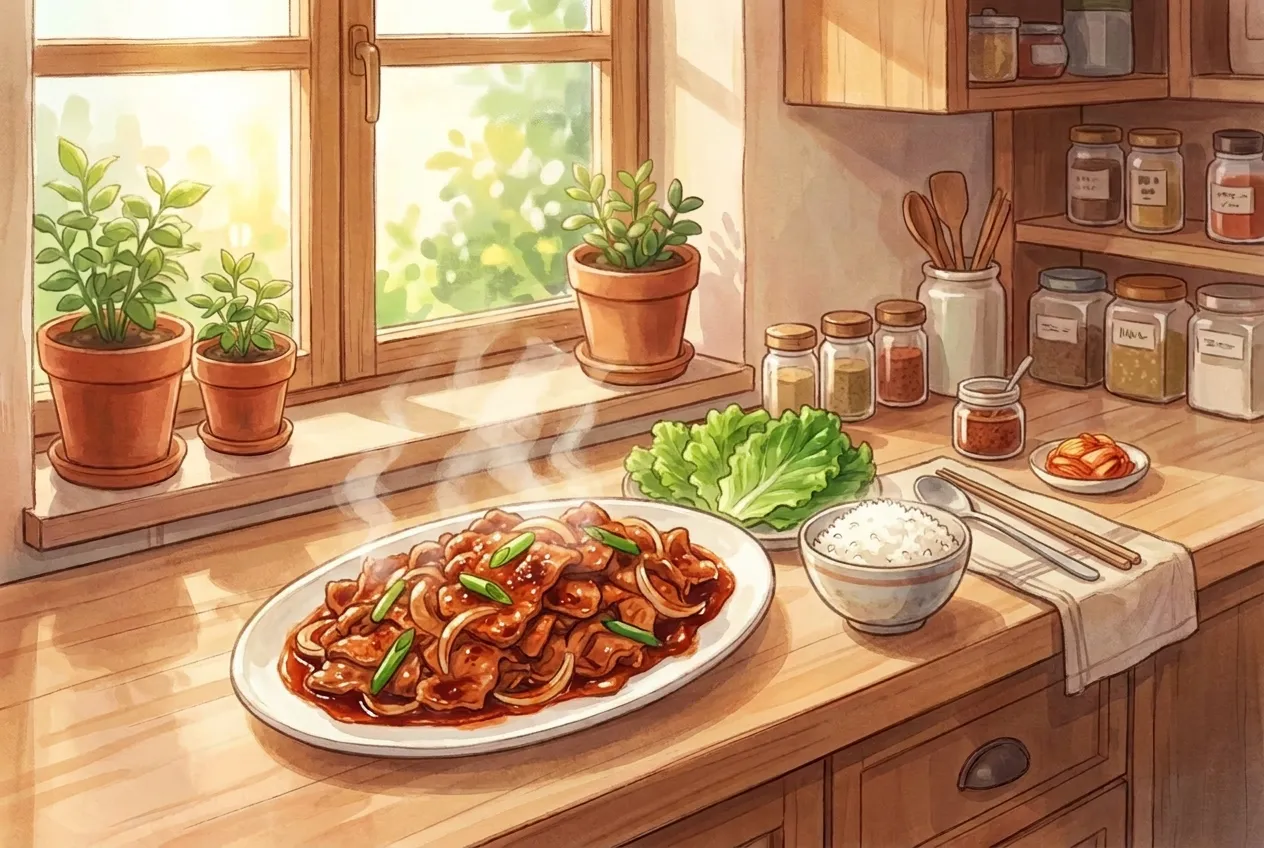
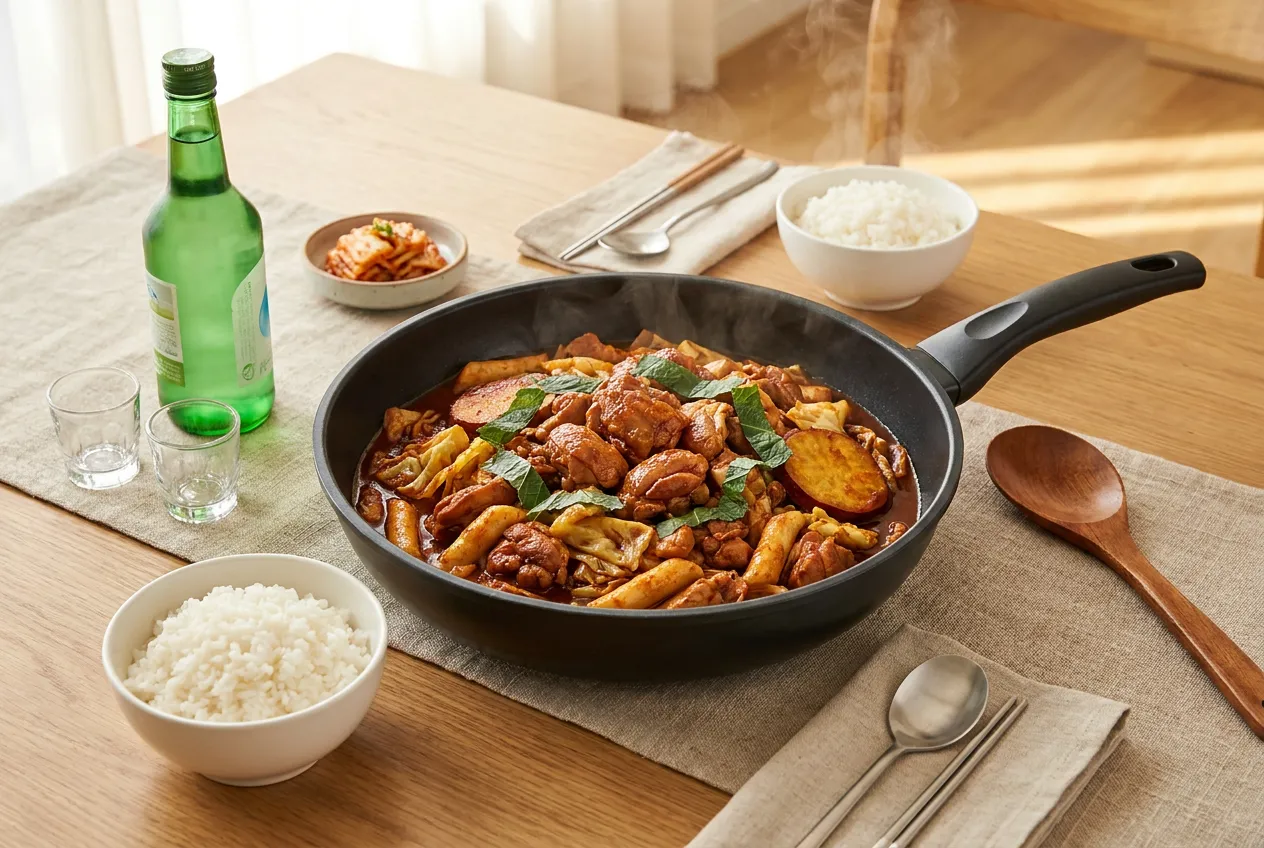
That tub ends up in a surprising number of dishes. It is stirred into stews, rubbed on marinated meat, spooned onto a bowl of bibimbap and cooked into the sauce for tteokbokki. Mixed with doenjang (soybean paste), it becomes ssamjang, the dip for lettuce wraps. Add vinegar and sugar and you have chogochujang, the sharp-sweet sauce for raw fish.
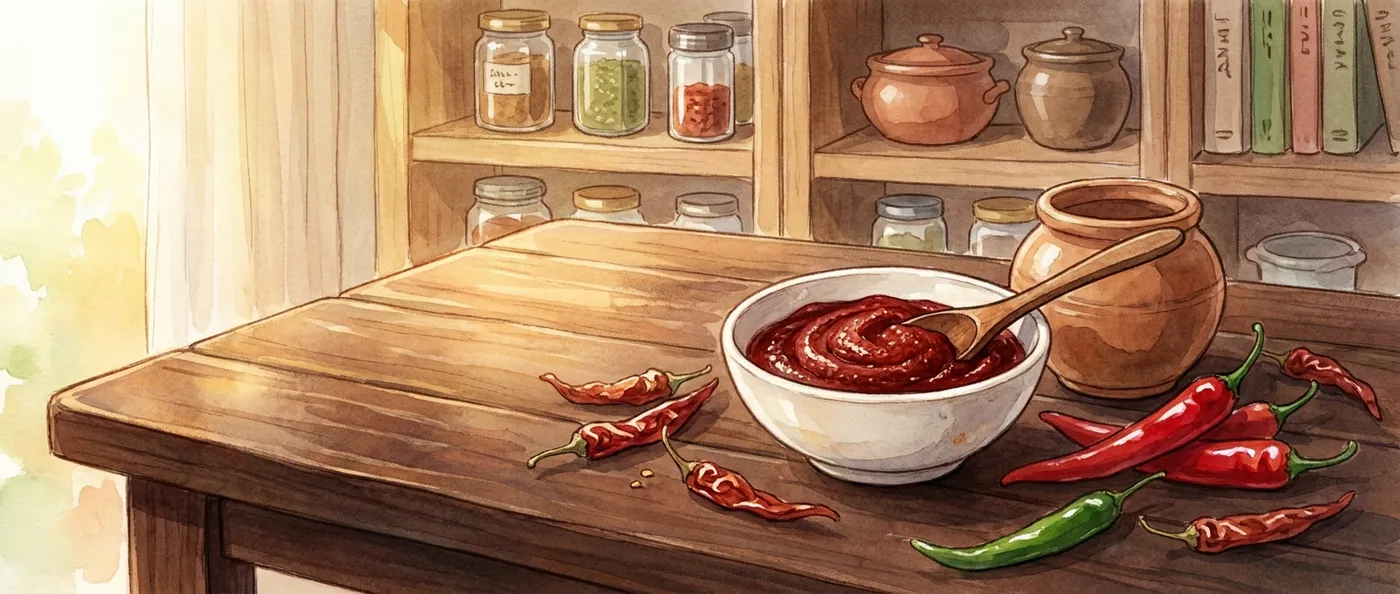
How to tell good gochujang when you see it
Most tubs show a spice level, from mild to very hot. If you are new to it, start in the middle. Check the ingredient list: you want chili, rice and soybean at the top, not corn syrup in first place. A small amount of sweetener is normal, but it should not be the main thing.
Once opened, keep it in the fridge with the surface pressed flat. It lasts a long time, and a single tub will see you through many dinners.
The night you run out
It happens: the recipe says gochujang and the shelf is empty. A reasonable stand-in is to mix, for each tablespoon of gochujang, 1 tablespoon of sriracha, 1 teaspoon of miso and 1 teaspoon of sugar. The sriracha brings the heat and the red color, the miso brings back some of the fermented savoriness, and the sugar replaces the sweetness that rice starch gives the real thing.
It will taste a little tangier and thinner than the original, so start with a bit less and adjust. It is a good rescue for a stew or a marinade. It is a weaker match when gochujang is the star, as in bibimbap sauce, so buy a tub when you can. Our gochujang guide lists more swaps and where to find the real thing in your country.