Korean Food Stories · Ingredients
Jeotgal and Aekjeot: The Salty Seafood Secret Behind Korean Kimchi
Behind the deep savory taste of good kimchi is a bottle of salted, fermented seafood. Here is what is in it, and what to use in its place.
Seafood, salt and time
Jeotgal (젓갈) is the Korean word for salted seafood: small shrimp, oysters, clams, fish and fish roe, preserved in salt until they ferment into something intensely savory. Some jeotgal is solid and eaten as a side dish. Some is a clear, brown liquid.
That liquid is called aekjeot (액젓), which is what most English speakers would call fish sauce. It is added to kimchi seasoning and to many soups and stews, and it is a big reason Korean food tastes so deep.
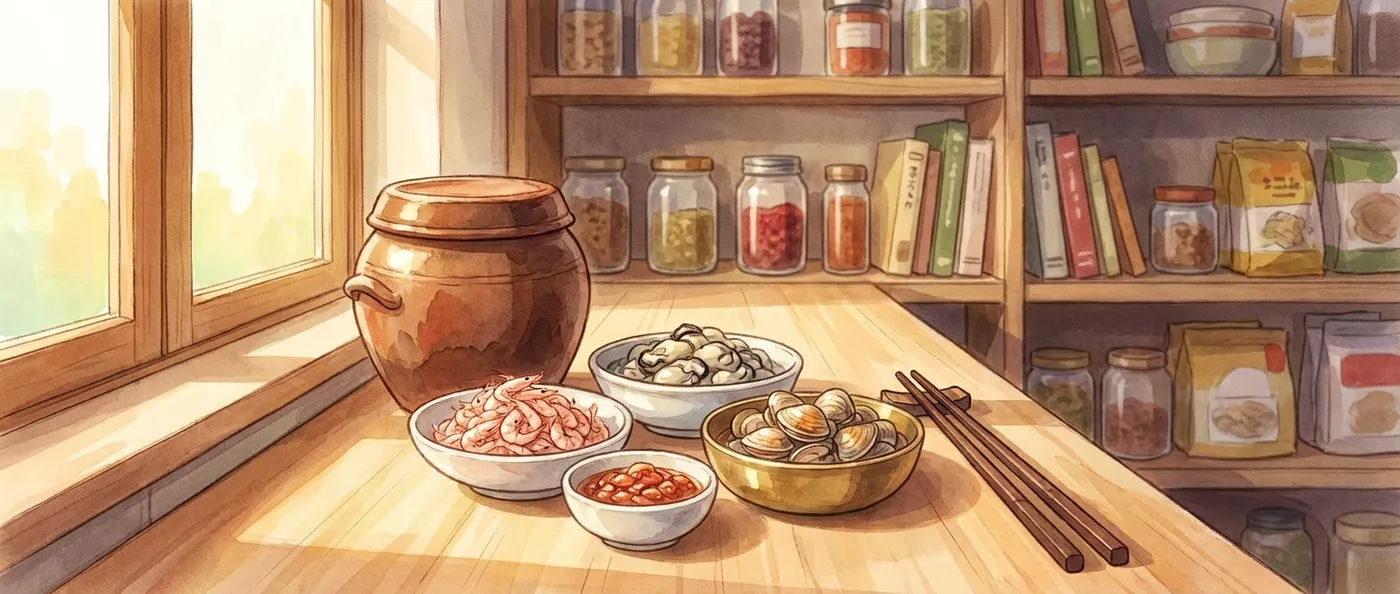
An old way of eating the sea
Jeotgal has a long history. The earliest Korean record appears in a history that mentions King Sinmun offering rice, wine, dried meat and jeotgal as wedding presents in 683. In 1124, a Chinese envoy wrote that people of all ranks in Goryeo enjoyed jeotgal. By the 16th to 18th centuries, Korean books listed well over a hundred and eighty kinds.
The kinds varied by region. Towns near the sea made more types than inland ones, because salted seafood was how people kept a catch before refrigeration.
Where you will meet it
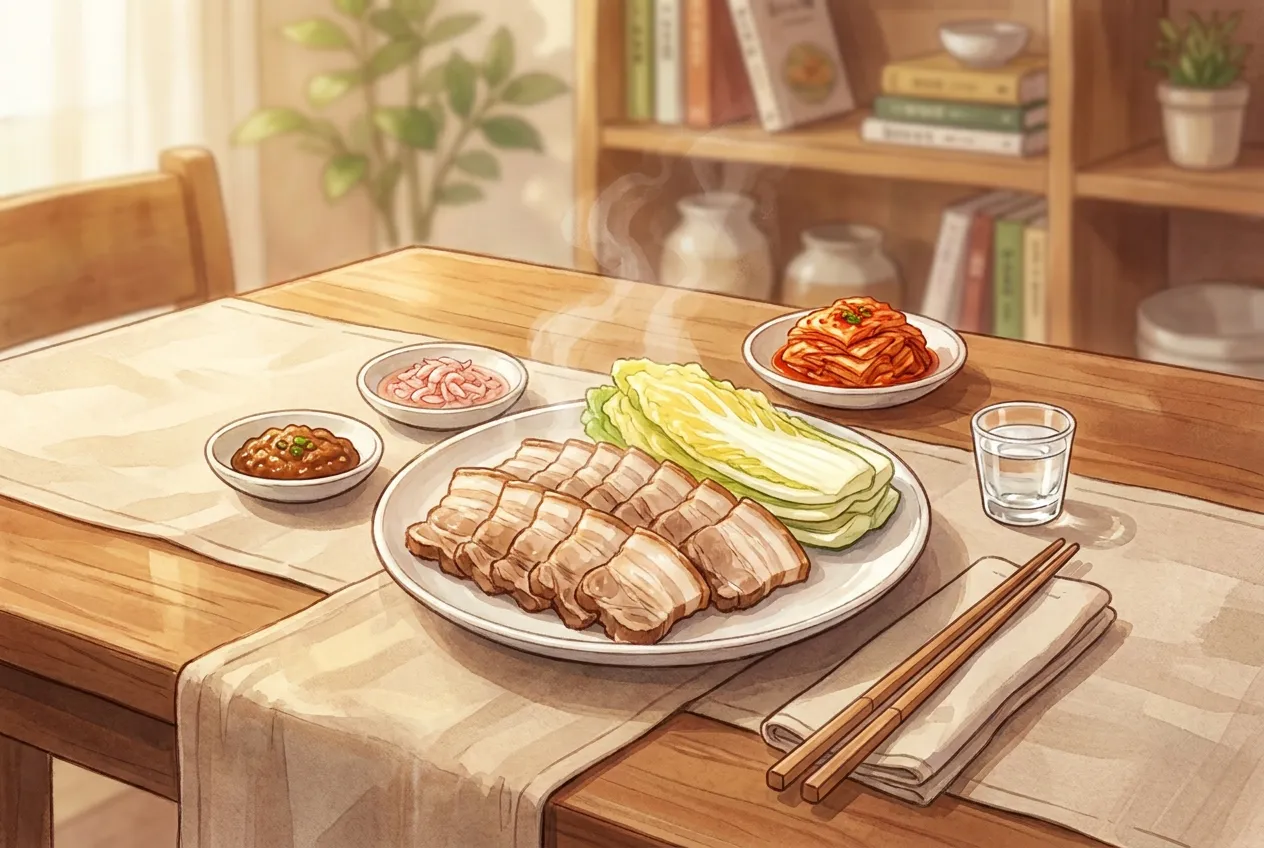
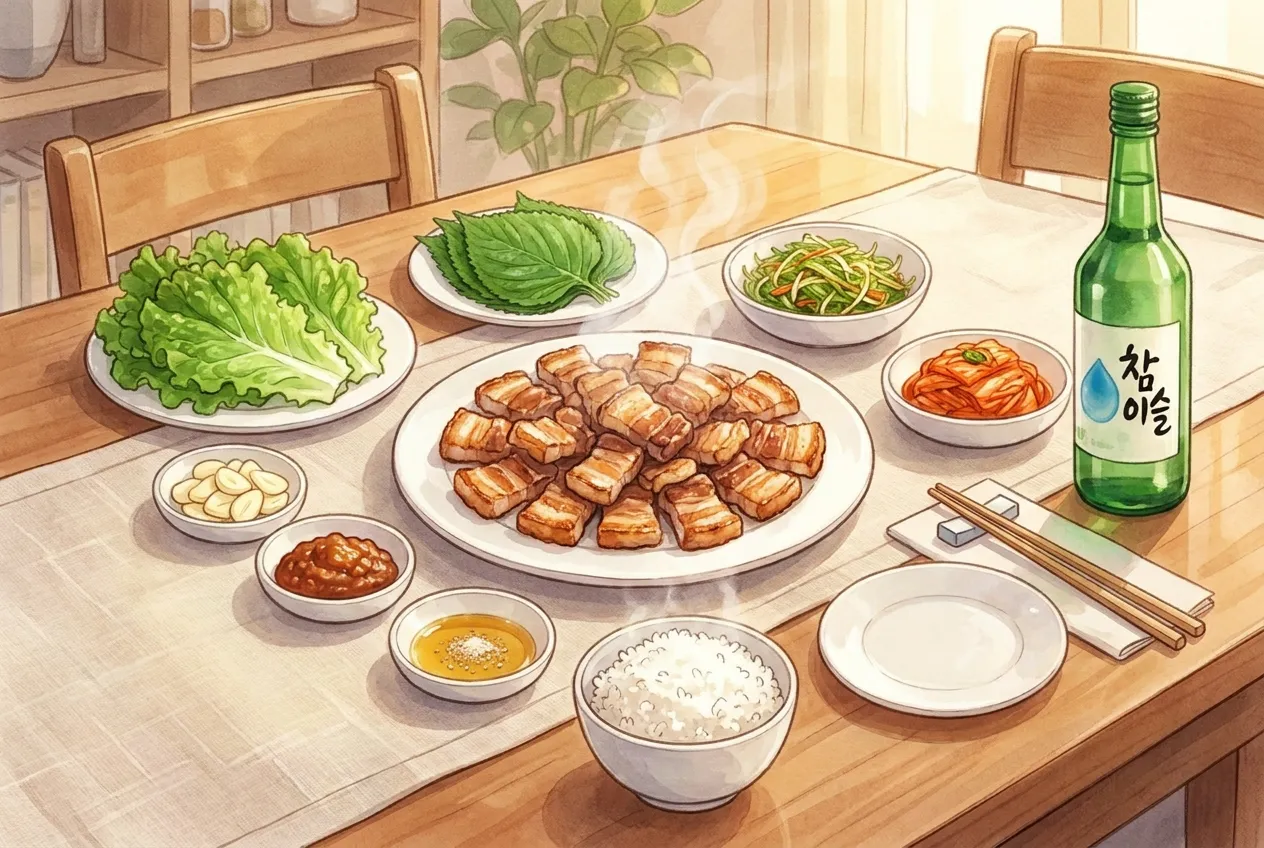
The most common is myeolchi-aekjeot (anchovy sauce) and saeu-jeot (tiny salted shrimp). Shrimp jeotgal, with its small pieces, is served as a dip for pork dishes such as bossam and samgyeopsal, and for sundae and raw fish.
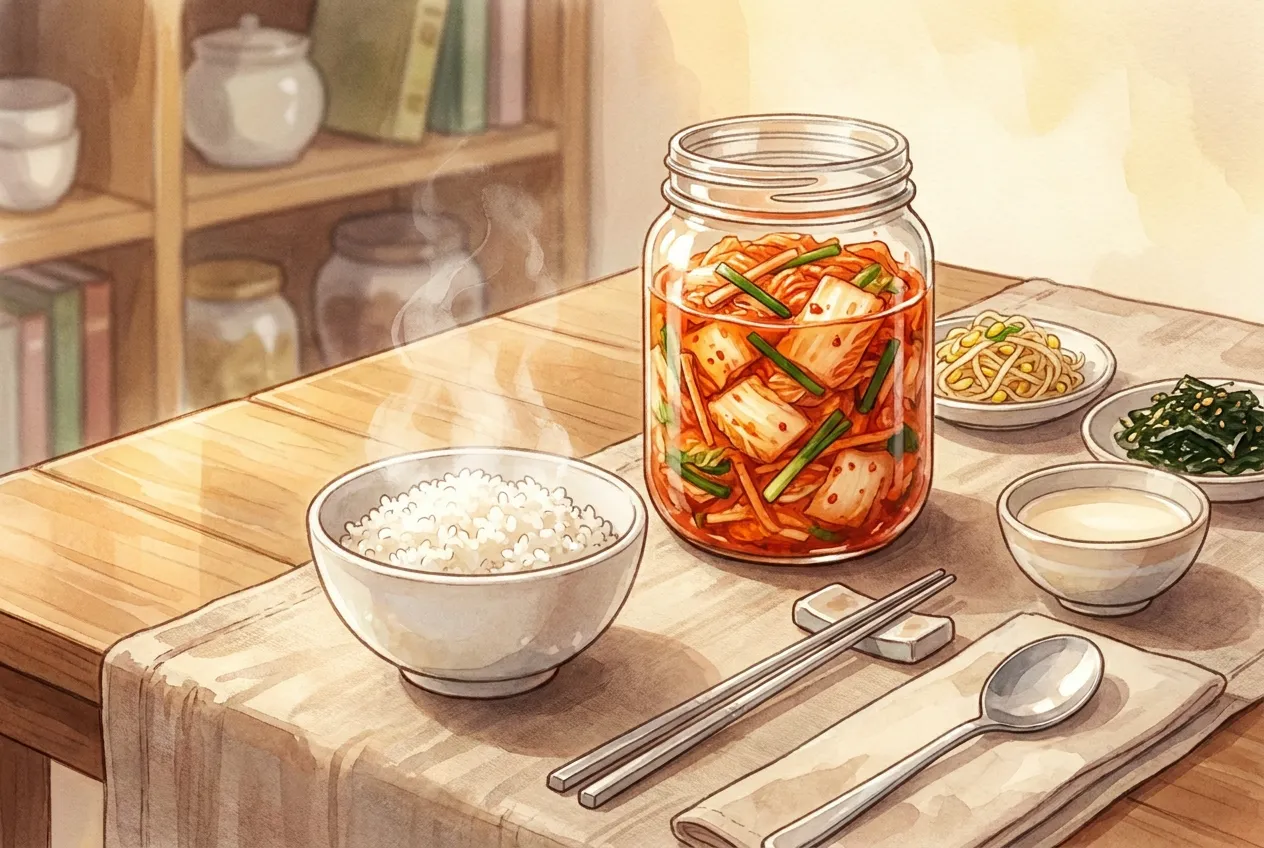
In kimchi, aekjeot is mixed into the seasoning paste along with chili flakes and garlic. It adds salt and a savory depth that salt alone cannot give.
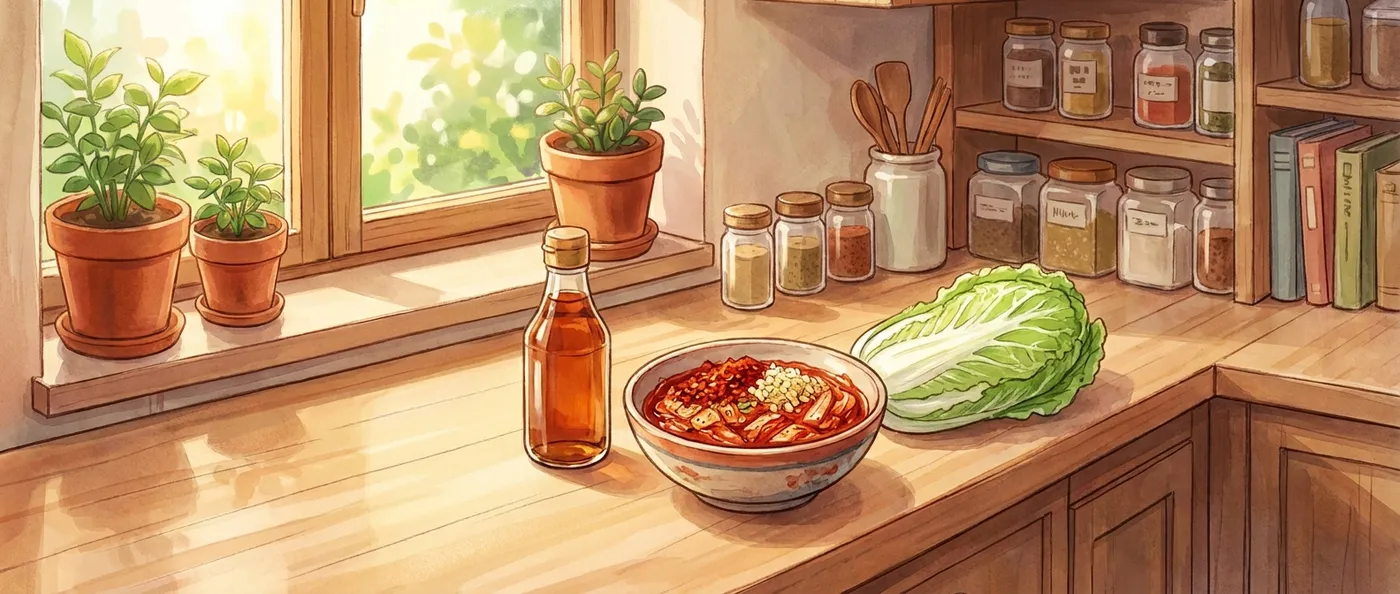
The night you run out
The closest swap for anchovy sauce is Thai or Vietnamese fish sauce, in the same amount. Start with a little less and taste. Korean anchovy sauce is more pungent, so the dish will taste a touch cleaner.
If you would rather avoid fish, use soy sauce plus a pinch of salt: for each tablespoon of aekjeot, 1 tablespoon of soy sauce and a pinch of salt. It is savory without the fishiness, and rounder and a little sweeter. See our anchovy sauce guide for more.