Korean Food Stories · Ingredients
Sesame Oil and Perilla Oil: The Two Nutty Aromas of the Korean Kitchen
A few drops at the end of cooking is what makes a Korean dish smell like Korean food. Here are the two oils behind that smell.
The smell of the finishing touch
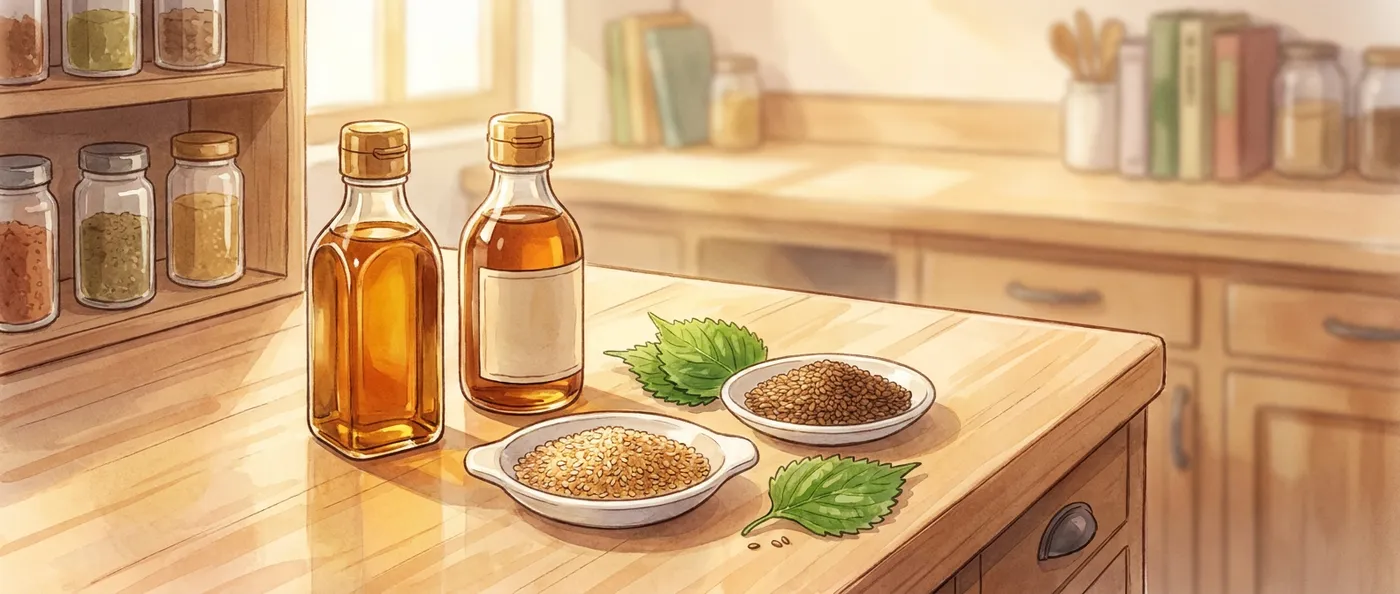
Walk into a Korean kitchen while someone seasons vegetables, and the first thing you notice is a toasty, nutty smell. It comes from oil pressed from roasted seeds. In Korean cooking the two main flavoring oils are sesame oil (chamgireum, 참기름) and perilla oil (deulgireum, 들기름).
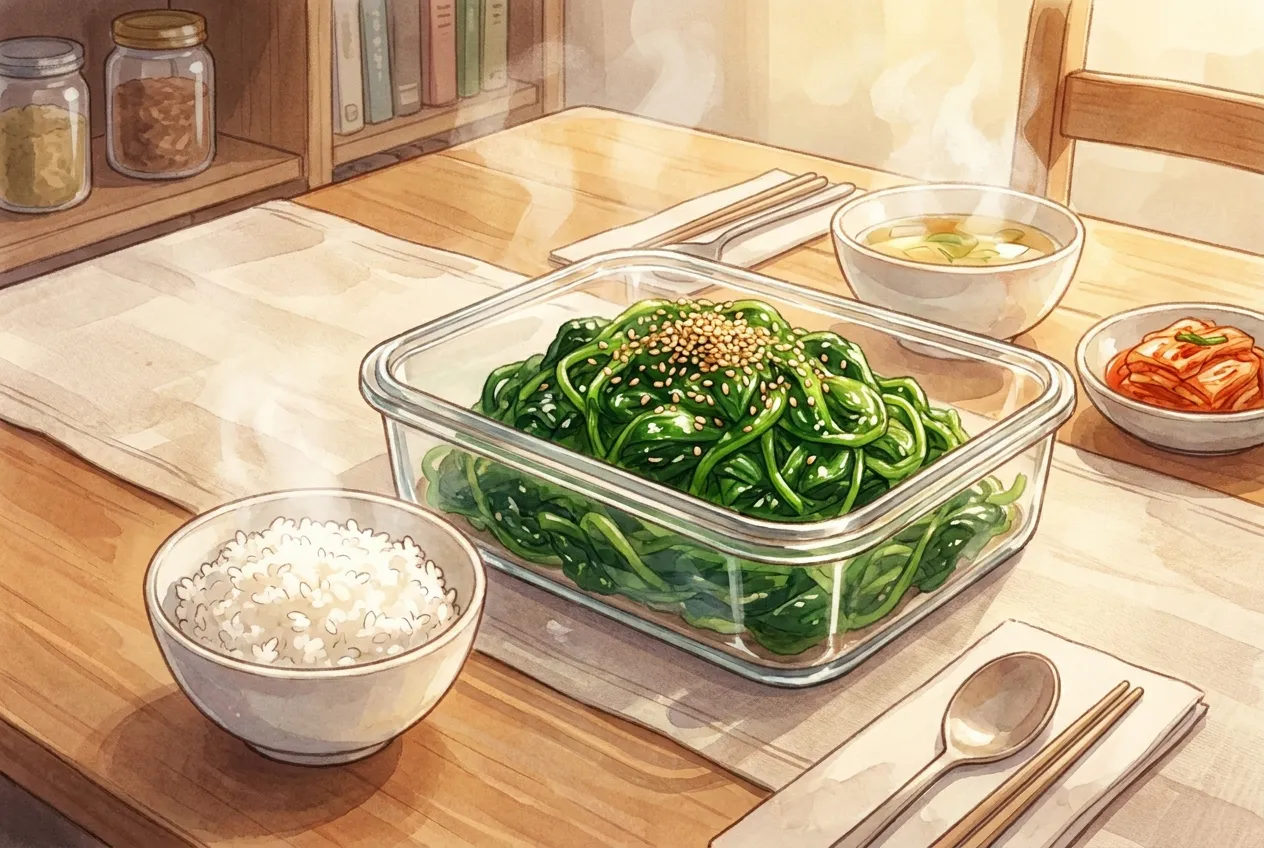
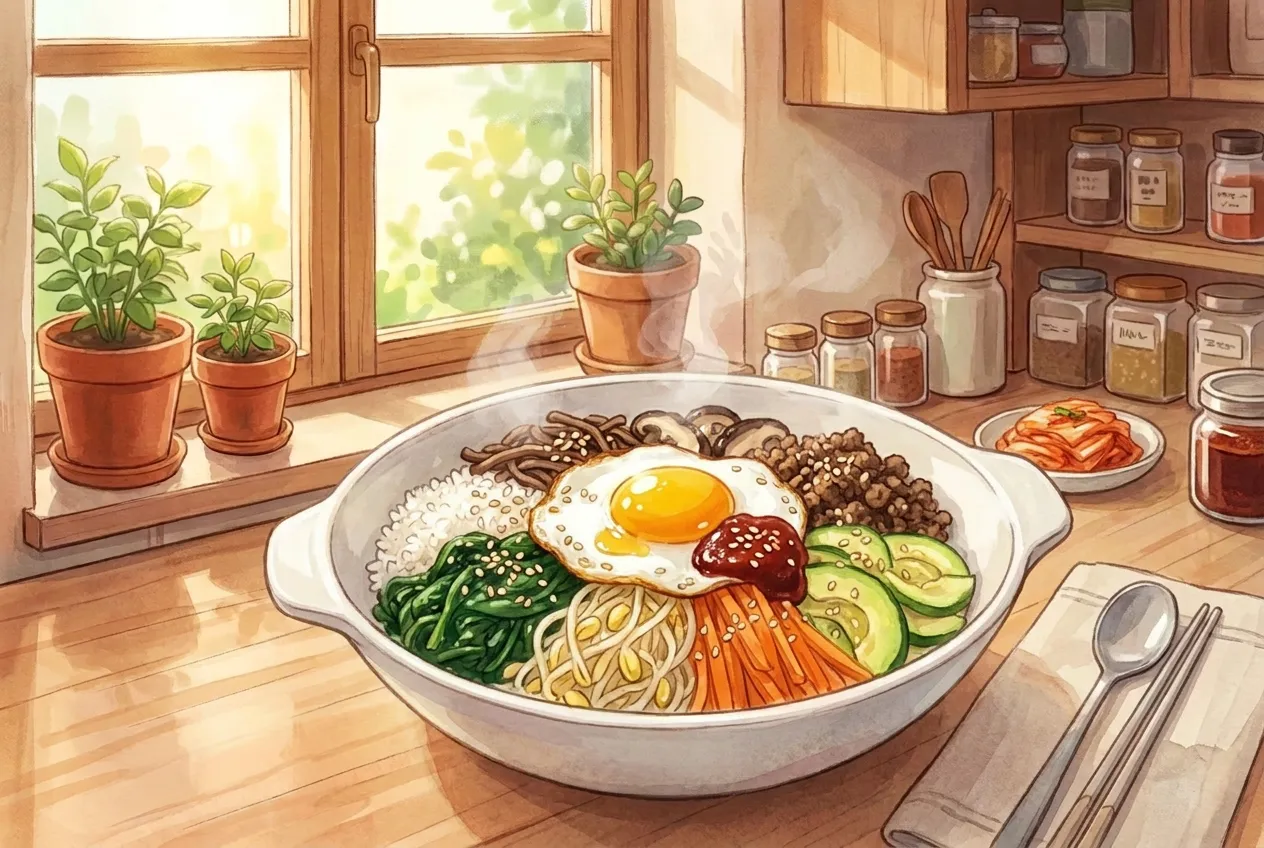
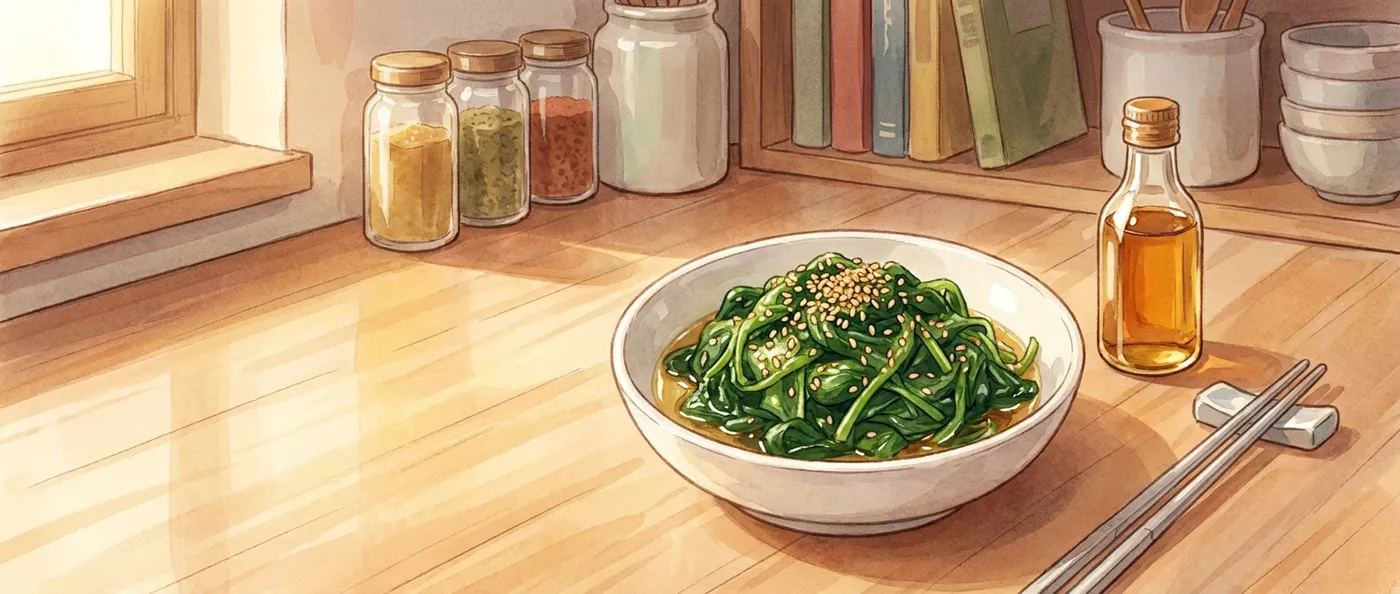
Both are used as flavor first and cooking oil second. A teaspoon of either turns a bowl of plain blanched greens, a mix of rice and vegetables, or a sheet of seaweed into something that tastes like home.
What each oil does
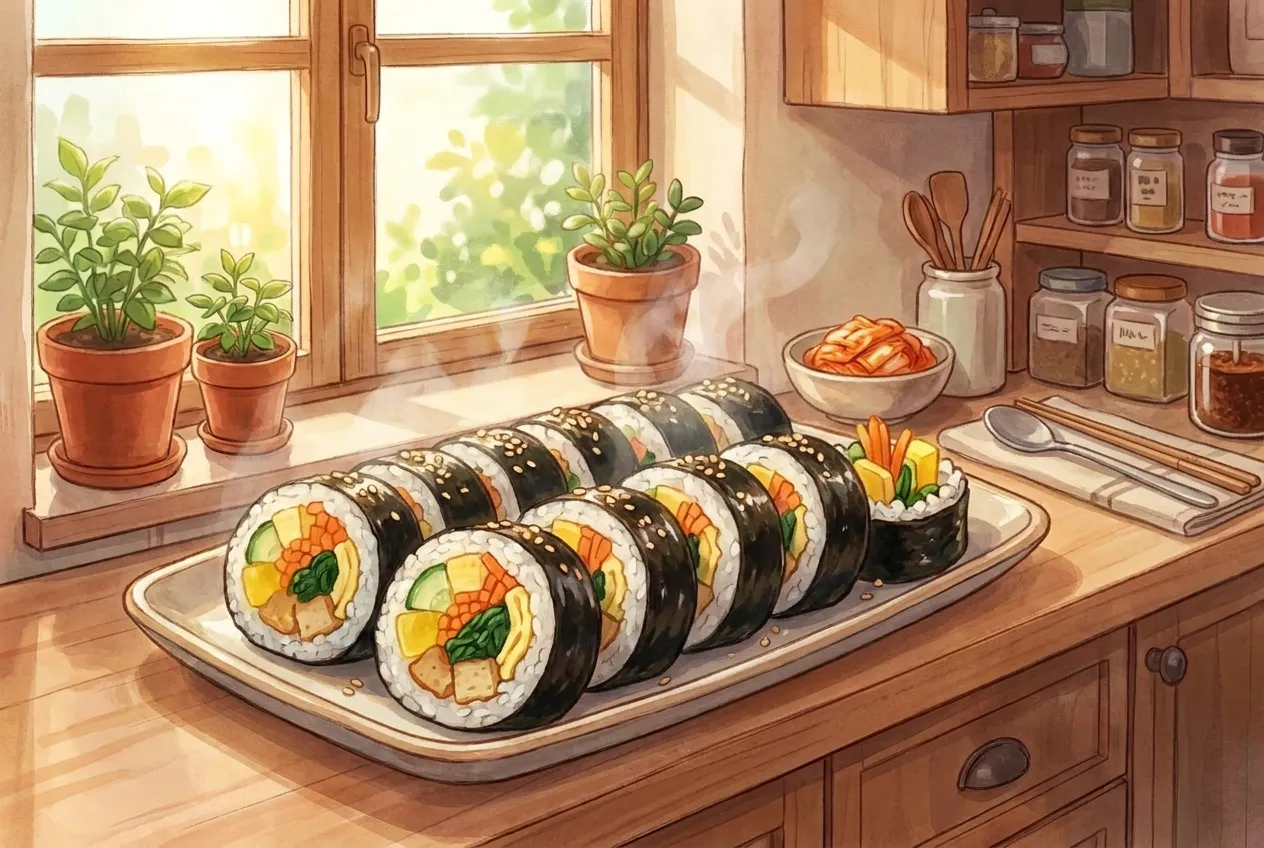
Toasted sesame oil is the one most people know. Its roasted, sweet, rounded smell goes into namul (seasoned vegetables), marinades, dipping sauces and the finish of many soups and stews, and it is brushed over gimbap.
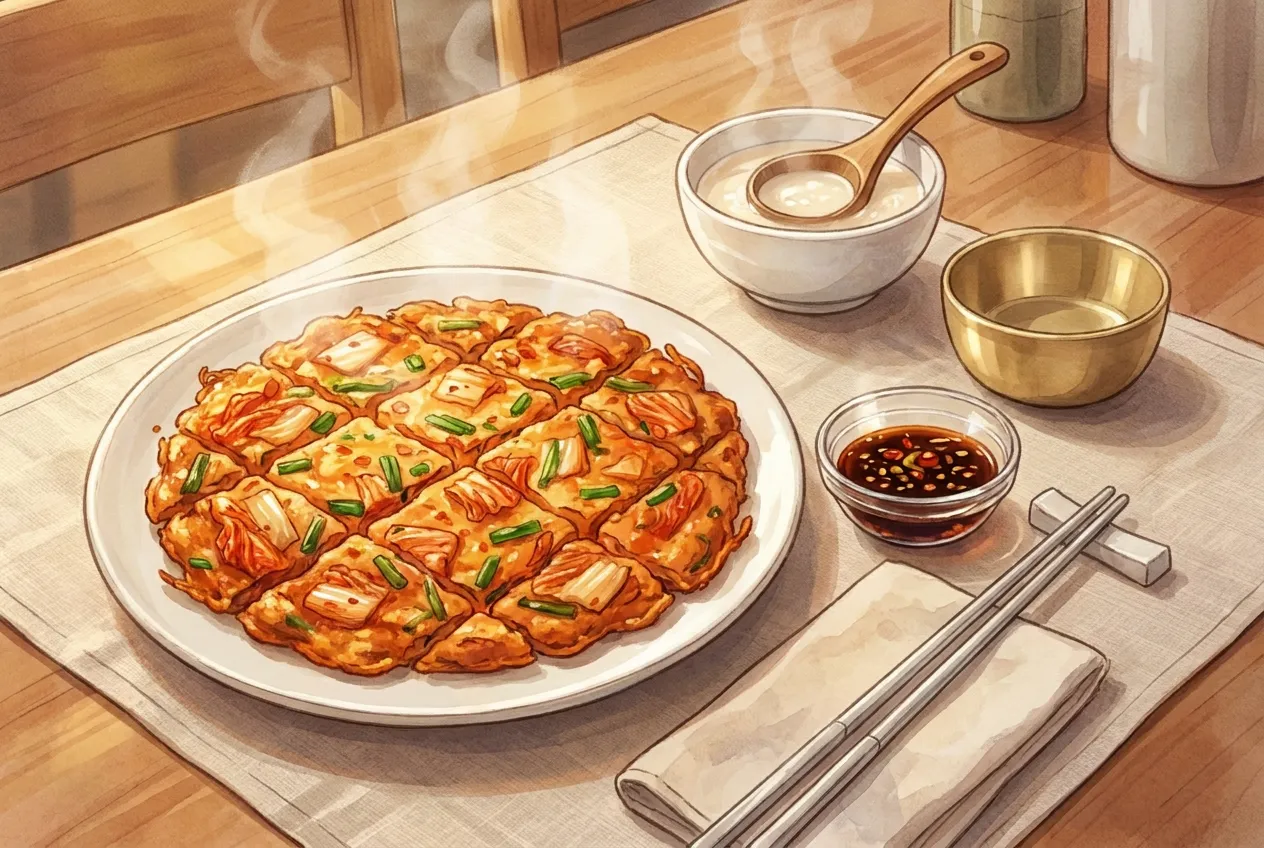
Perilla oil comes from the seeds of the perilla plant, the same family as the leaves used for wraps. It has a deeper, earthier nutty taste. It is especially associated with the southern part of Korea, where perilla grows easily in the warmer weather. Cooks use either oil to flavor side dishes, pan-fry jeon (savory pancakes), coat seaweed before roasting, and build the base of a dipping sauce.
How to keep them
Both oils are delicate. Buy small bottles, keep them tightly closed in a cool, dark place, and use them up within a few months. Perilla oil is especially rich in omega-3 fats, which is good for you but also means it goes stale faster, so many cooks keep it in the fridge.
Check the label. For Korean cooking you want "toasted" or "roasted" oil, not plain sesame oil, which has almost no flavor.
When a recipe asks for the one you do not have
If you have sesame oil and the recipe wants perilla oil, use sesame oil. It will smell sweeter and less earthy, and the dish will still be good.
If you have neither, stir 1 teaspoon of a neutral oil with half a teaspoon of crushed toasted sesame seeds for each teaspoon of oil. You get the nutty smell, just not quite as rich. Or leave it out: it is a finishing aroma, and the dish still works. Our toasted sesame oil guide has more.