Korean Food Stories · Traditions
Tteok: The Rice Cakes Koreans Share for Every Celebration
Chewy, plain or sweet, steamed or pounded, tteok is on the table at New Year, at harvest, at birthdays, and at the snack stall.
One word, many cakes
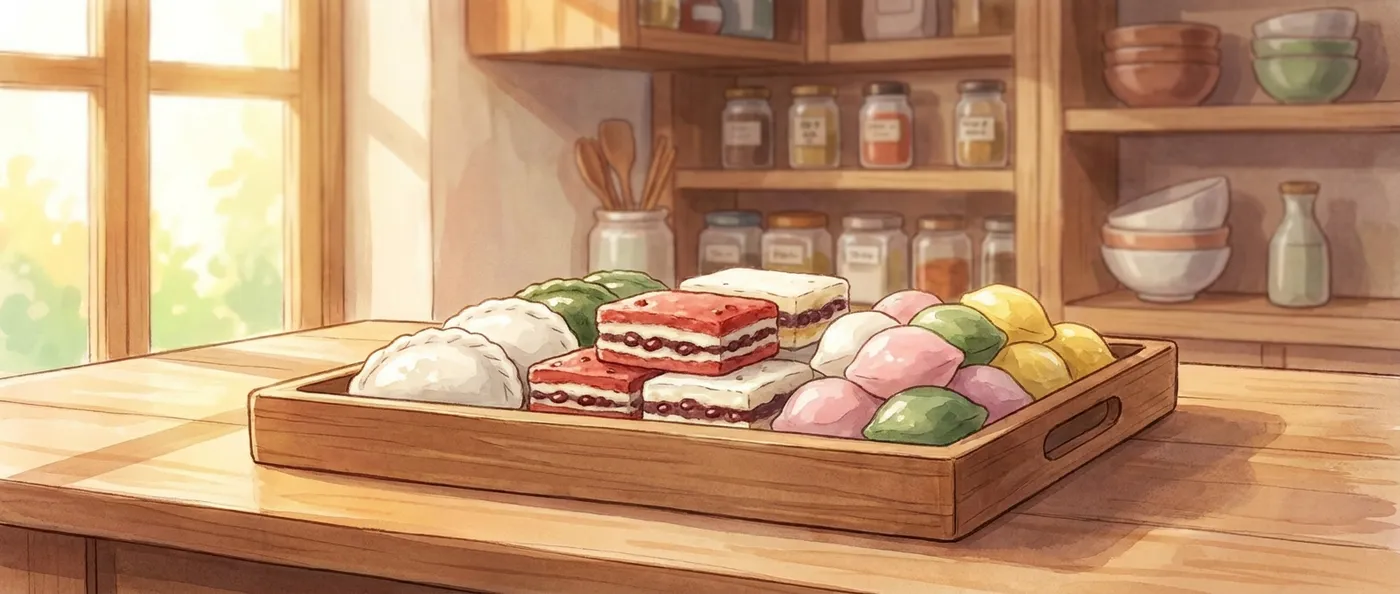
Tteok (떡) is the general word for Korean rice cakes. They are made from the steamed flour of rice or glutinous rice, sometimes mixed with other grains, and then steamed, pounded, boiled or pan-fried. Some are plain and white, others are layered with red bean, mugwort, pumpkin, chestnuts, jujubes and sesame.
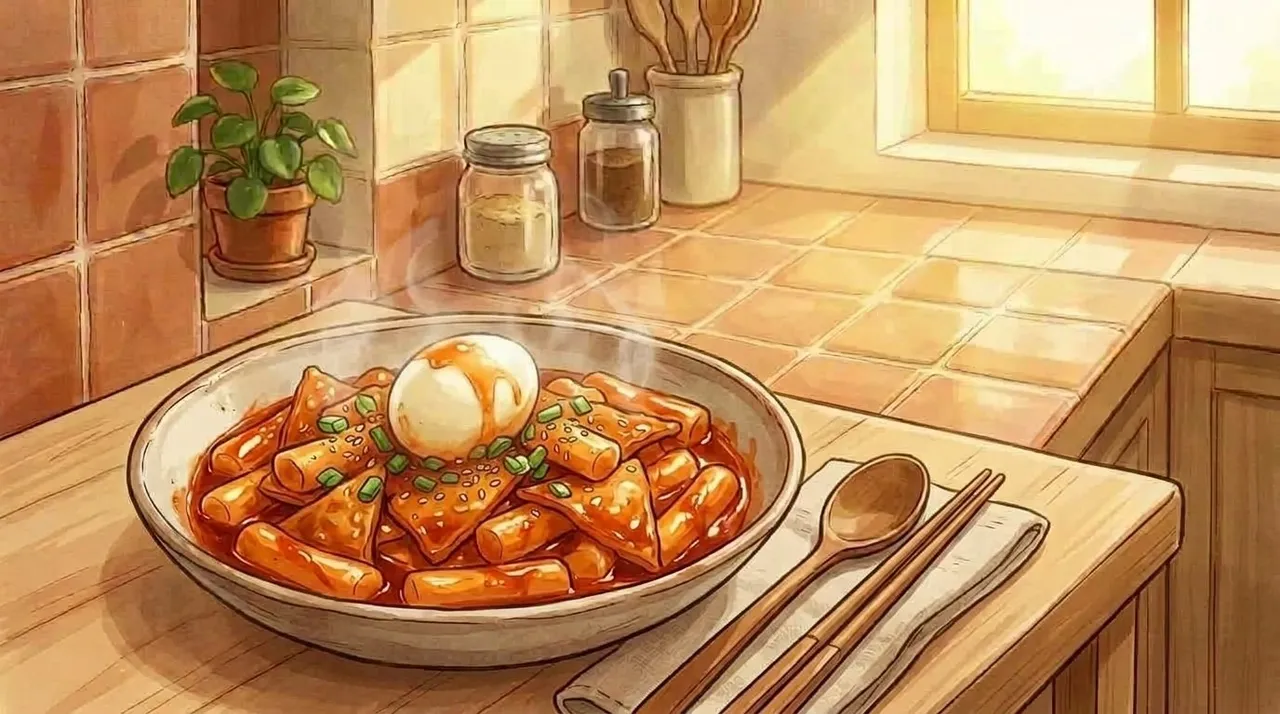
It can be a dessert, a seasonal treat or a whole meal. The plain white cylinders in tteokbokki are tteok, and so are the delicate half-moon dumplings of Chuseok.
Four ways to make it
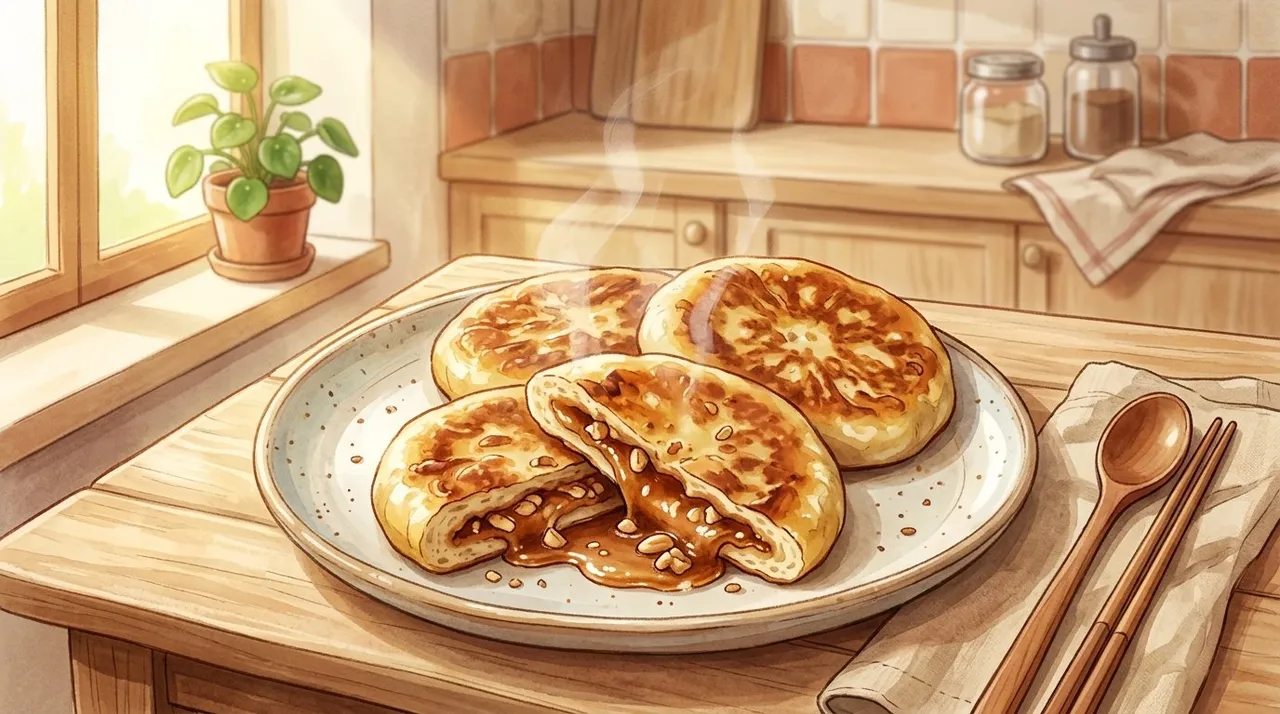
Korean rice cakes are usually sorted into four kinds. Steamed tteok, made in an earthenware steamer called a siru, is the oldest and most basic form. Pounded tteok is steamed first and then beaten with a mallet until it is smooth and stretchy. Boiled tteok is dough shaped into balls and cooked in water. Pan-fried tteok is flattened like a pancake and cooked in oil.
Records suggest rice cakes have been eaten in Korea for a very long time, with grinding stones and small stone mortars found in ancient sites.
Shared on the days that matter
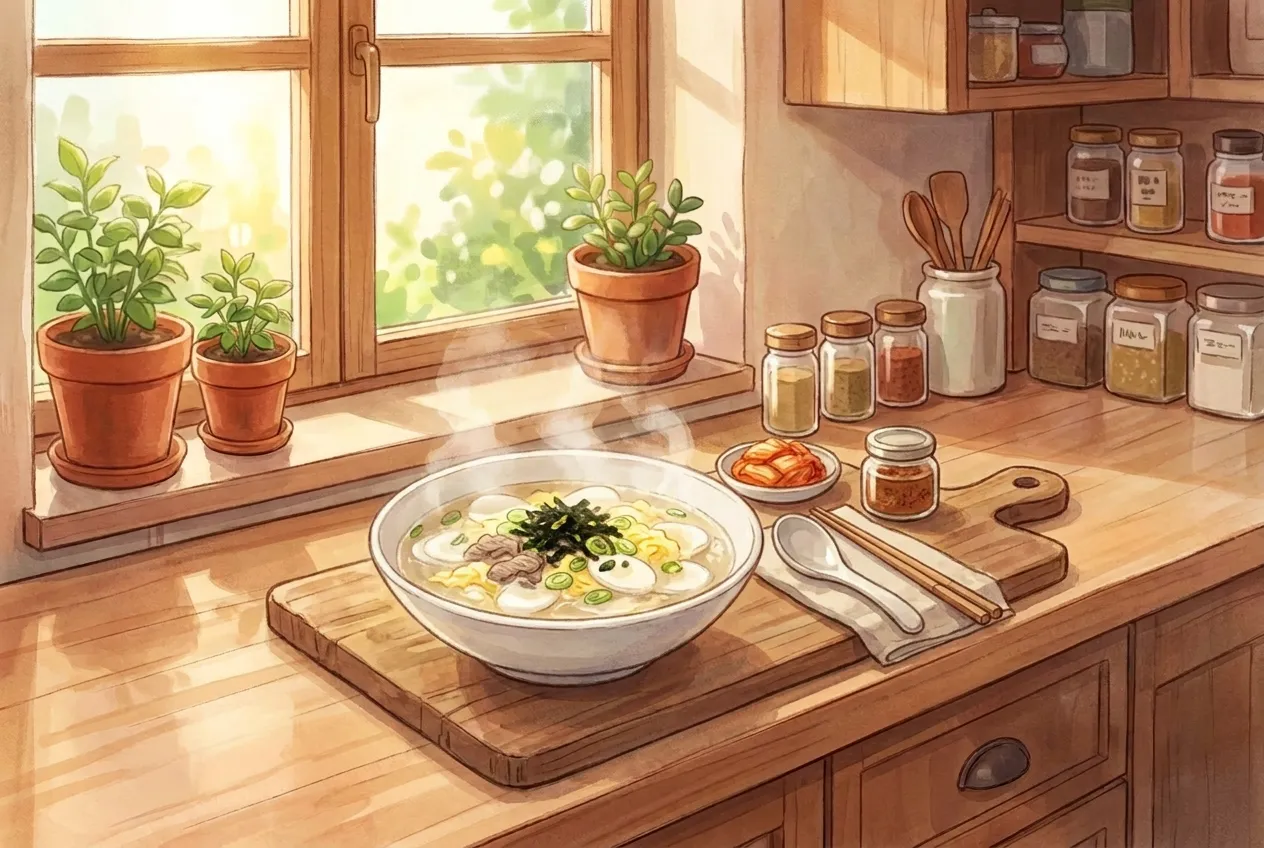
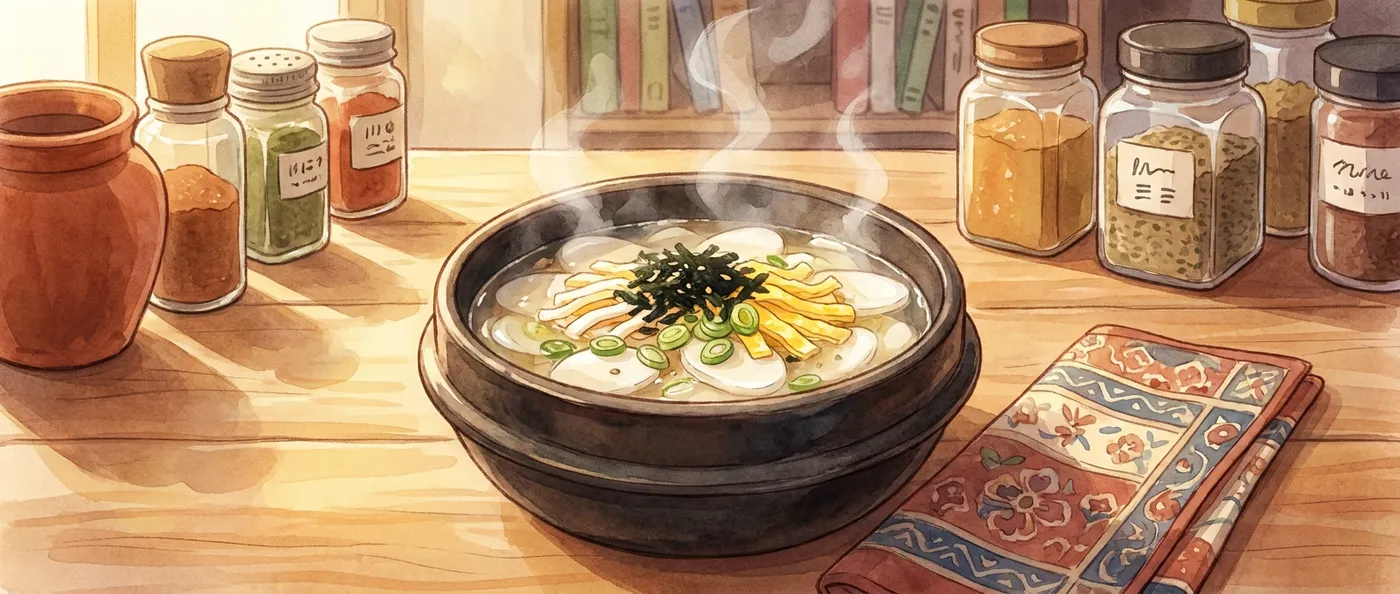
Tteok is almost always shared. Rice cake offered to the spirits, called boktteok, "good fortune rice cake", is passed on to neighbors and relatives. At Korean New Year, families eat tteokguk, a clear soup of sliced rice cakes. On Chuseok, the harvest festival, they eat songpyeon.
That is why a bowl of tteokguk is often described as a way to add a year to your age. Try it with our tteok-guk recipe.
Finding rice cakes abroad
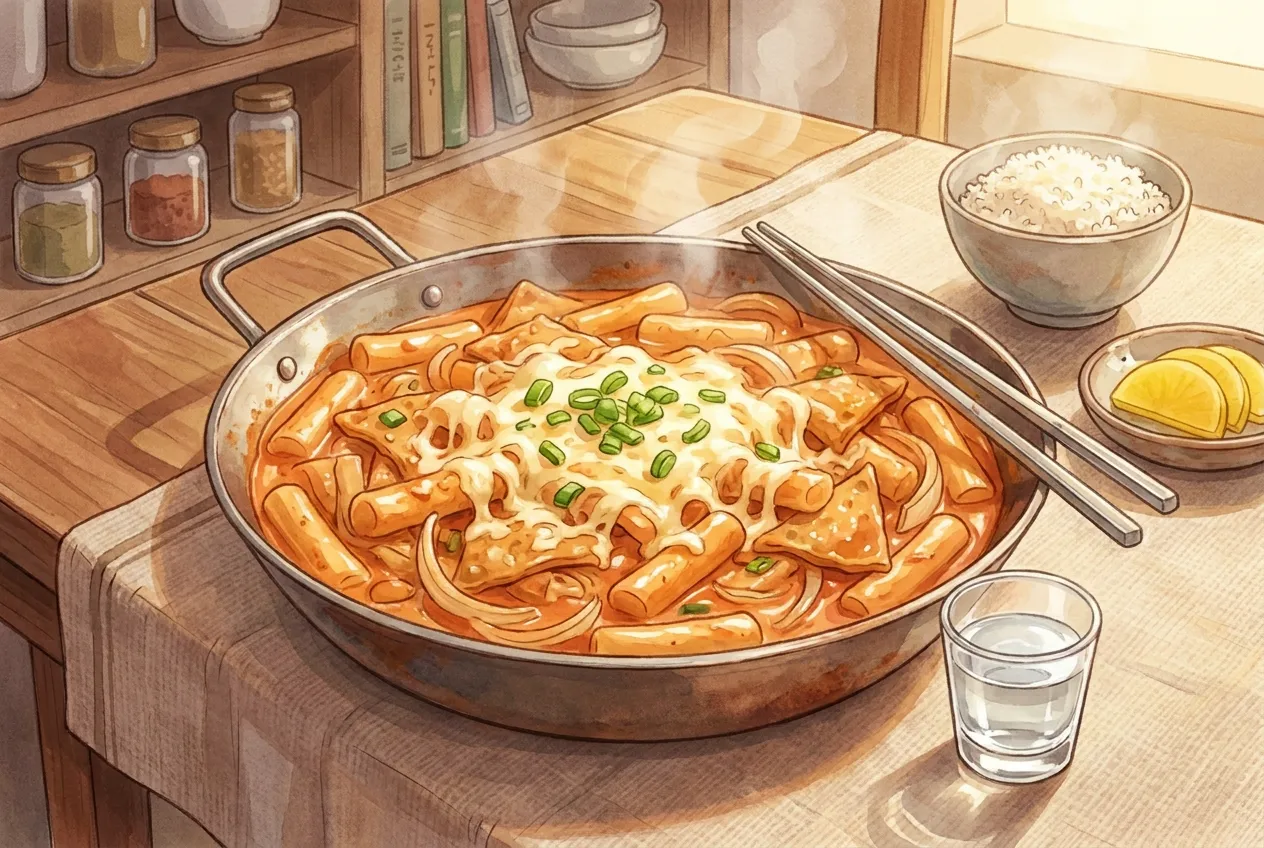
Most Korean grocers sell tteok for soup and tteokbokki in the refrigerated or frozen section, often in cylinders or in thin ovals. Frozen ones should be soaked in cold water for a short time before cooking. Our tteok guide and the tteokbokki and tteok-guk recipes show how to use them.