Japanese shoyu (regular soy sauce)Easy to find
For each 1 tbsp Korean soy sauce: 1 tbsp
The closest widely sold swap. It is a touch less sweet, so add a tiny pinch of sugar if the dish tastes sharp.
▼ sweeter

It's okay, you can make Korean food.

Ingredient guide
Korean soy sauce (ganjang) is the salty, savory base of marinades, soups and dipping sauces. Two kinds matter: all-purpose soy sauce (jin-ganjang), which is what most recipes mean, and a thinner, darker, much saltier soup soy sauce (guk-ganjang) used to season soups.
Salty and deeply savory with a little sweetness. The soup type is saltier and lighter in color.
For everyday cooking, a bottle labeled Korean soy sauce (진간장) or any naturally brewed soy sauce. Japanese shoyu is the most widely sold stand-in and works well.
Keep it in a cool cupboard. Refrigerating after opening keeps the flavor for many months.
Works in any country — look for these names, in these kinds of shops.
Honest swaps, with amounts per unit of the original and how the dish will change.
For each 1 tbsp Korean soy sauce: 1 tbsp
The closest widely sold swap. It is a touch less sweet, so add a tiny pinch of sugar if the dish tastes sharp.
▼ sweeter

For each 1 tbsp Korean soy sauce: about 2½ tsp, then taste
Usually saltier and thinner, so start with a little less and add the rest only if the dish needs it.
▲ saltier

For each 1 tbsp Korean soy sauce: 1 tbsp
Slightly richer and rounder. A good choice if you avoid wheat — check that the label says gluten-free.
▲ richer

For each 1 tbsp Korean soy sauce: 1 tbsp plus a pinch of salt
Noticeably sweeter and milder. The pinch of salt makes up for the lower saltiness.
▲ sweeter▼ saltier

대파
Fresh and mildly sweet with a gentle onion bite that mellows when cooked.
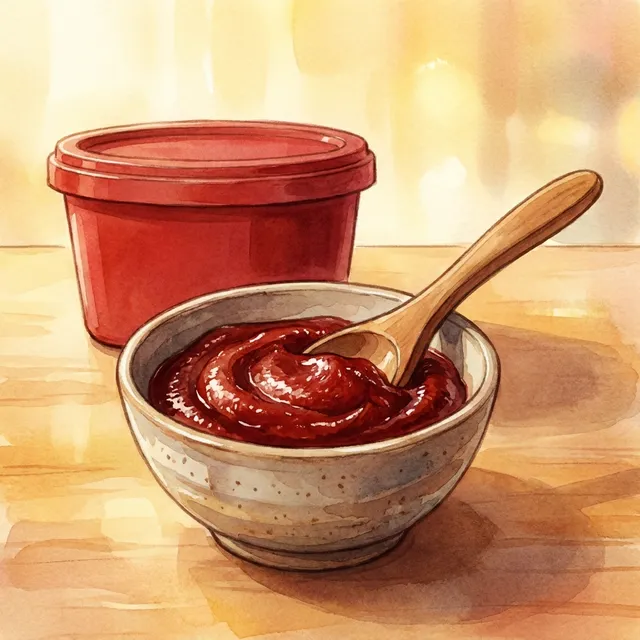
고추장
Spicy-sweet and savory with a fermented depth; the heat varies by brand.
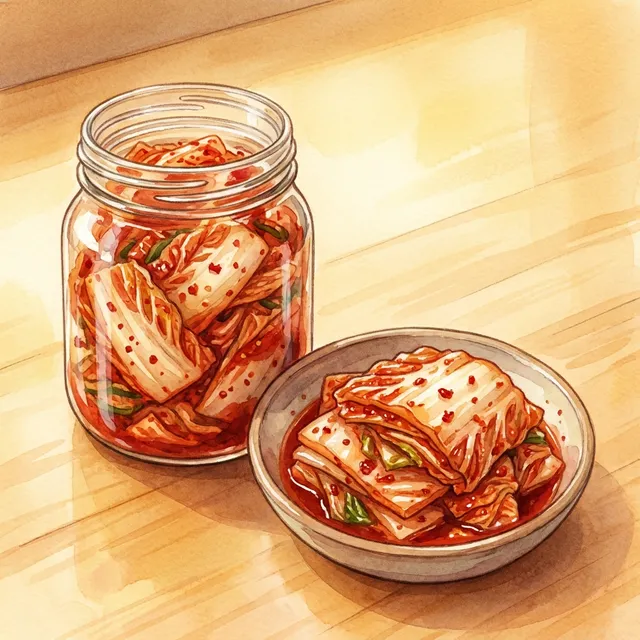
배추김치
Sour, salty, spicy and savory. It gets tangier the longer it ferments.
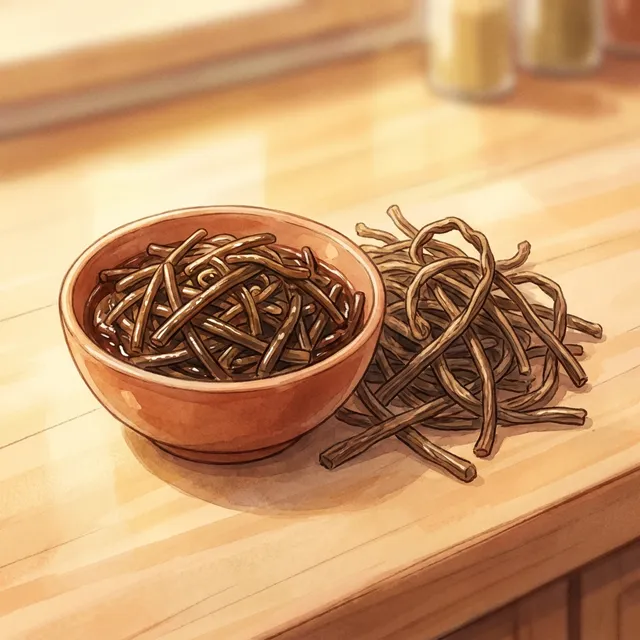
고사리
Earthy and subtle, with a chewy texture.